
There is something about APS-C cameras that still seems to upset a certain kind of photographer.
Mention them in the wrong company and you can almost hear the full-frame crowd clearing their throats, ready to explain why you need a bigger sensor, more dynamic range, shallower depth of field, cleaner files and all the usual arguments that get thrown around whenever sensor size comes up.
And yes, full-frame cameras are brilliant. Medium format cameras can be extraordinary. But the idea that APS-C cameras are somehow not good enough in 2026 is frankly ridiculous.

Photography should be about taking photographs, full stop. Not obsessing over resolution charts, dynamic range figures, pixel pitch, sensor size or whether your camera can recover seven stops of shadow detail from a file you underexposed in the first place.
Of course, image quality matters. I am not saying it does not. But somewhere along the way, photographers became far too obsessed with what a camera might do in a lab, rather than what it actually helps them do in the real world.
That is where APS-C cameras deserve far more credit than they get. For the majority of camera users, the dream is not always the biggest sensor or the most expensive body. It is a camera that is compact, not too bulky, easy to carry and able to deliver the goods when it matters.
That is exactly where APS-C cameras come into their own. They give you proper image quality, smaller lenses, lighter bodies and a system that is often far easier to live with day-to-day than a full-frame setup.
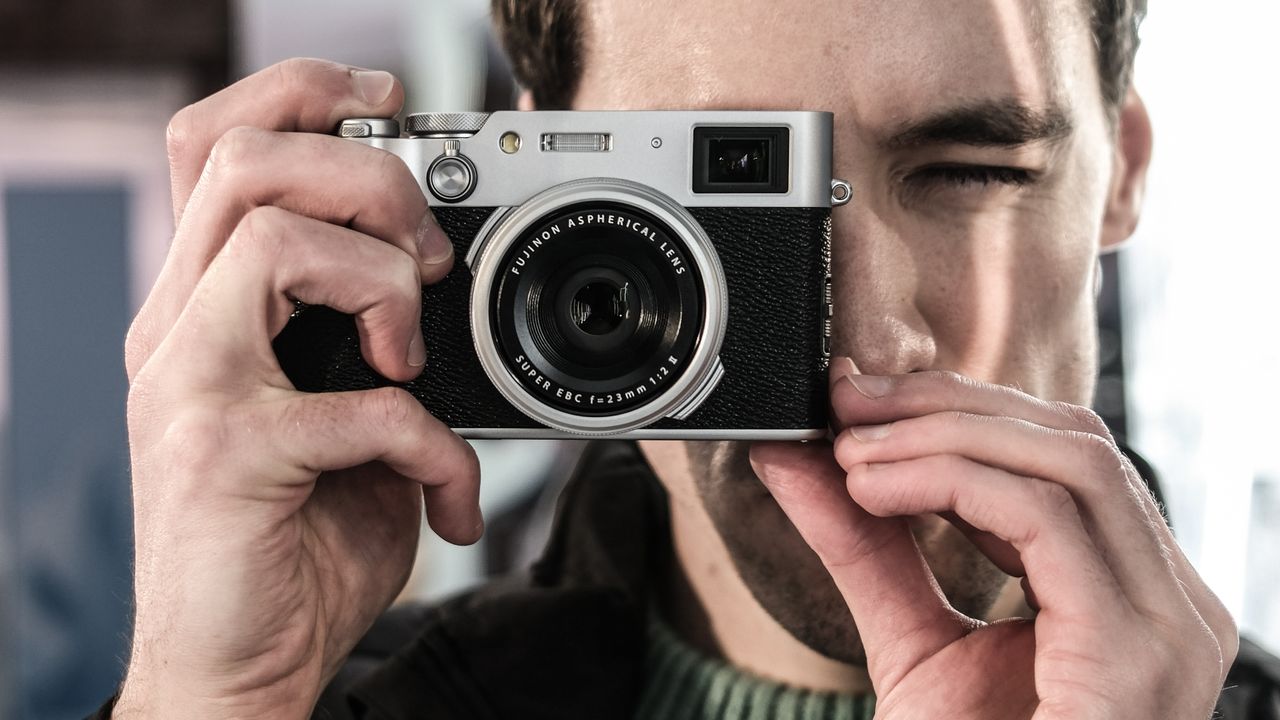
And thanks to Fujifilm, the old argument that APS-C cameras mean giving up too much resolution does not really hold up any more. The Fujifilm X-T5 uses a 40.2MP APS-C X-Trans CMOS 5 HR sensor, while the hugely popular Fujifilm X100VI also pairs its fixed 23mm f/2 lens with a 40.2MP sensor.
That means you can now have a smaller APS-C camera with more resolution than many full-frame cameras that photographers were praising only a few years ago.
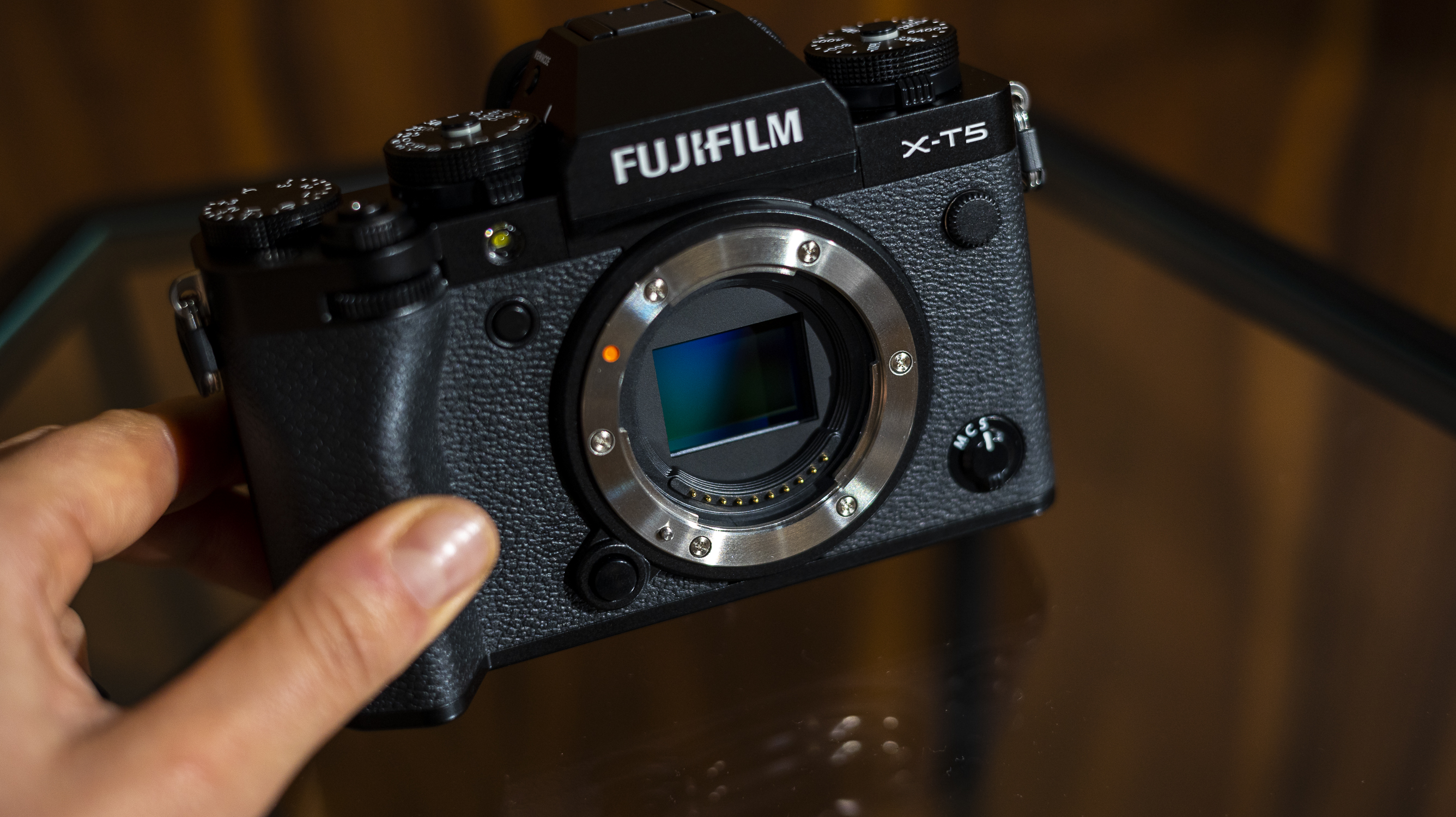
The X-T5 is a perfect example of why APS-C cameras still matter. It is compact, beautifully designed and powerful enough for serious work, but it does not feel like you are dragging around a brick.
It gives you the resolution, the color, the classic controls, and the kind of photographic experience that makes you want to pick it up and use it. That matters. A camera you actually want to carry will always take better pictures than a technically superior camera left sitting at home.
The same is true of the X100VI. It has become one of the most desirable cameras in the world, not because it has the biggest sensor but because it understands what photographers actually want.
It is small, stylish, tactile, capable, and enjoyable. It is the sort of camera that gets taken to the coffee shop, on holiday, into the city, out with the family and everywhere in between. That is the whole point. A camera that is with you is worth more than a perfect camera that is not.
APS-C cameras also make sense when you start looking at lenses. Full-frame lenses can be wonderful, but they are often bigger, heavier and more expensive. APS-C lenses can give you a much more manageable setup without killing your back or emptying your bank account.
For travel, street photography, documentary work, family photography and even plenty of professional jobs, that smaller, lighter system can be a huge advantage. Not everyone needs to look like they are carrying broadcast equipment just to take a great photograph.
The snobbery around APS-C cameras has always annoyed me because it misses the point of photography entirely. Nobody looks at a great image and says, “Yes, but was it full-frame?”
Nobody cares what sensor size captured a powerful street photograph, a beautiful portrait, a decisive sports moment or a perfectly-timed family image. The picture either works or it does not. The feeling is there, or it is not. The camera is just the tool.
That does not mean that APS-C cameras are perfect. No system is. Full-frame will still have advantages in certain situations, especially for low light, shallow depth of field and particular professional requirements.
Medium format has its own magic, too, but not everyone needs those advantages – and pretending that everyone does is just gear snobbery dressed up as advice. For a huge number of photographers, APS-C is not a compromise. It is the sweet spot.

In many ways, APS-C cameras are exactly what the modern market needs more of. They are capable, portable, enjoyable, and increasingly powerful.
They give photographers a reason to take a real camera out instead of just relying on a phone, but without demanding the bulk and cost of a full-frame system. That combination is incredibly important, especially at a time when cameras need to justify their place in everyday life.
So yes, full-frame cameras are excellent. Medium format cameras are impressive. But APS-C cameras might be all you really need. They are good enough for serious work, light enough to carry, powerful enough for demanding photographers and fun enough to make you want to shoot more.
And surely that is the whole point. Not the sensor size. Not the spec sheet. Not the online bragging rights. Just taking the photograph.