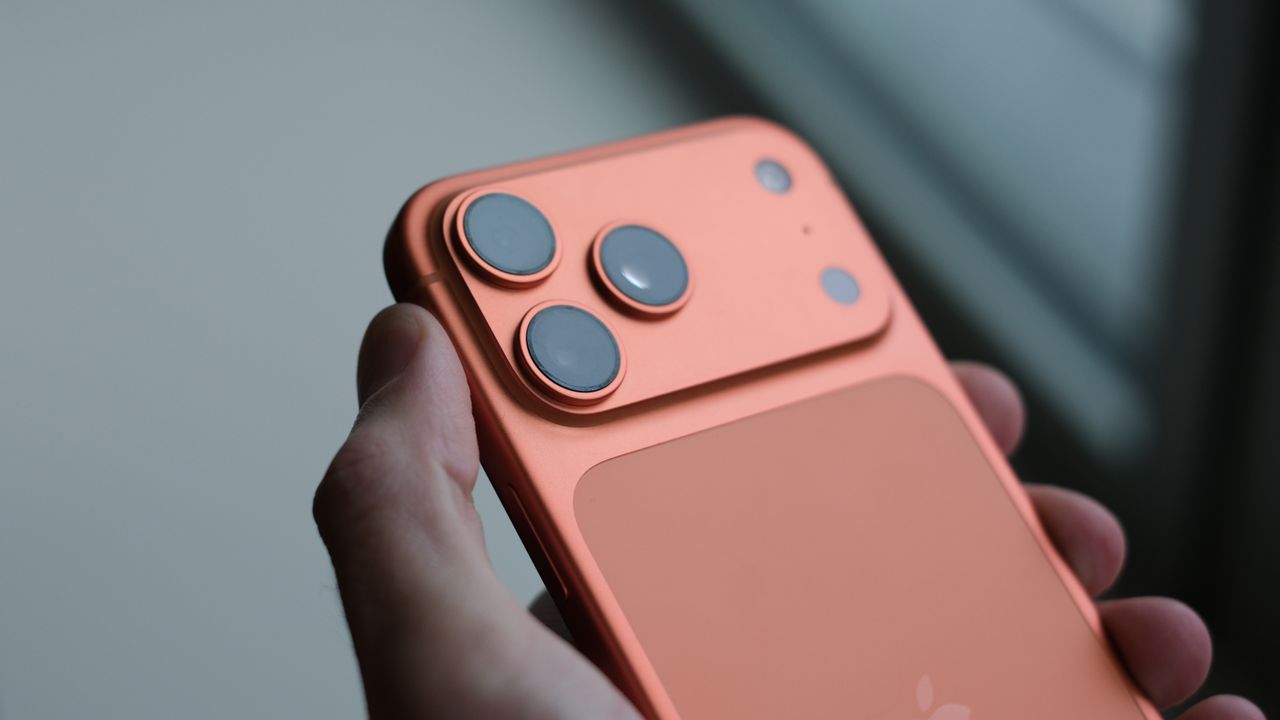
Users of the new iPhone 17 Pro and Pro Max have taken to the internet to ask a curious question: Why does the newest Pro and Pro Max phones no longer have the Portrait Night Mode that’s been supported for five generations?
Users across Reddit and Apple Community have launched internet tirades pointing out the lack of a feature that their older devices had. The Pro and Pro Max models have supported using both Portrait mode and Night mode at the same time, but users are pointing out that the feature is missing on the iPhone 17 Pro and Max models.

The apparent lack of the longstanding feature isn’t a bug – Apple has a list of iPhones that support both Portrait mode and Night mode at the same time, and the iPhone 17 Pro and Pro Max aren’t on it. (The iPhone 17 series, including the Air, does pop up on the list of devices that support Night Mode with selfies and time-lapses.) Apple hasn’t yet shared a statement as to why the feature is no longer on the new models.
Portrait mode uses LiDAR to capture depth information, which can be used to blur the background. It can also be used to add or edit blur after the photo has already been taken. Night mode is designed to boost image quality in limited light. Both Portrait mode and Night mode exist independently on the iPhone 17 Pro and Max, but unlike earlier models, the models can’t be used simultaneously.
Night mode is one of my all-time favorite improvements to the iPhone camera. Just a few years ago, snapping a photo of the northern lights with my smartphone would have looked terrible. Now, my iPhone 15 Pro isn’t on the same level as my mirrorless, but the aurora shots are actually possible.
Without an official statement from Apple, it’s unclear as to why those two modes can no longer be used together, though that, naturally, hasn’t stopped the speculation as to why. Night mode improves low-light quality, but has its drawbacks, including motion blur that may not work well when photographing people. Night mode increases the ISO, which also increases noise.
What's clear, however, is that some users who used the feature are frustrated that there was no early indication of the missing feature.
You may also like
Browse the best smartphone cameras or the best low-light cameras.