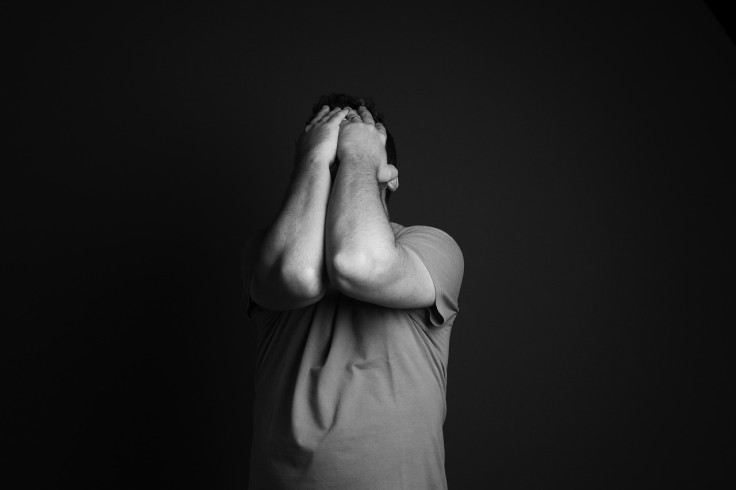
Anxiety disorders are among the most common mental health conditions affecting people around the world. While occasional worry or nervousness is a normal part of life, persistent and excessive fear that interferes with daily routines may signal a deeper concern.
Understanding the symptoms, triggers, and available forms of anxiety treatment helps individuals recognize when to seek help and how to manage mental health symptoms effectively.

What Are Anxiety Disorders?
Anxiety disorders are characterized by chronic feelings of fear, nervousness, or apprehension that are difficult to control. Unlike temporary anxiety triggered by a stressful event, these disorders involve ongoing distress that may occur even without an obvious cause.
There are several types of anxiety disorders, each with distinct features:
- Generalized Anxiety Disorder (GAD): Persistent and widespread worry about everyday matters such as health, work, and relationships.
- Panic Disorder: Recurrent panic attacks marked by sudden, intense episodes of fear or physical discomfort such as chest pain or shortness of breath.
- Social Anxiety Disorder: Deep fear of being judged or embarrassed in social settings.
- Specific Phobias: Intense fear of particular objects or situations, such as flying, heights, or insects.
- Obsessive–Compulsive Disorder (OCD) and Post-Traumatic Stress Disorder (PTSD): are related conditions that involve anxiety symptoms, though they are classified separately in diagnostic manuals.
Recognizing which type of anxiety disorder is present is essential for selecting the most suitable form of anxiety treatment.
What Are the Symptoms of Anxiety Disorders?
Anxiety affects both the body and the mind, often appearing in a mix of physical, emotional, and behavioral signs. Common mental health symptoms include persistent worry, irritability, difficulty concentrating, and a constant sense of dread.
Physical symptoms frequently accompany these emotional changes. Many individuals experience muscle tension, heart palpitations, dizziness, trembling, sweating, or gastrointestinal issues. Sleep problems, such as difficulty falling asleep or frequent waking, are also common among people living with anxiety disorders.
Because these symptoms can overlap with other health conditions, professional evaluation is essential to rule out underlying medical causes. Identifying anxiety early allows for intervention before symptoms worsen or begin affecting work, relationships, and overall well-being.
What Causes or Triggers Anxiety Disorders?
There is no single cause of anxiety disorders. Instead, they arise from a combination of biological, environmental, and psychological factors.
- Genetics: A family history of mental health conditions can increase an individual's risk.
- Brain Chemistry: Imbalances in neurotransmitters, such as serotonin and dopamine, may contribute to persistent anxiety.
- Personality Factors: People who are naturally more sensitive to stress or who have perfectionist tendencies are more likely to develop anxiety disorders.
- Environmental Stressors: Major life changes, trauma, financial concerns, chronic illness, or ongoing relationship conflicts can all act as triggers.
- Substance Use: Alcohol, caffeine, or stimulant medications may worsen anxiety in susceptible individuals.
Anxiety disorders often develop gradually, beginning with mild symptoms that become more intense over time. Understanding one's triggers can help manage anxiety more effectively, particularly when incorporated into long-term anxiety treatment strategies.
How Are Anxiety Disorders Diagnosed?
Diagnosis begins with a consultation involving a licensed mental health professional, such as a psychologist or psychiatrist, according to Harvard Health.
A thorough evaluation includes a detailed discussion of symptoms, medical history, and emotional patterns. Clinicians may use structured interviews or standardized questionnaires to assess the type and severity of anxiety.
It is also important to distinguish between anxiety as a temporary reaction to stress and a clinical condition that requires treatment. Physical examinations or lab tests might be performed to exclude other conditions that mimic anxiety, such as thyroid problems, heart arrhythmias, or nutrient imbalances.
Once diagnosed, a personalized treatment plan can be created to match the individual's needs and lifestyle preferences.
What Are the Most Effective Anxiety Treatments?
There are several proven approaches to managing anxiety, most of which combine psychotherapy, medication, and lifestyle modifications.
1. Psychotherapy
Cognitive Behavioral Therapy (CBT) is considered one of the most effective forms of anxiety treatment. It helps individuals identify and reframe negative thought patterns while gradually exposing them to distressing situations in a controlled manner.
Other therapies, such as mindfulness-based stress reduction and acceptance and commitment therapy, teach coping strategies that promote calm and awareness.
2. Medications
Doctors may prescribe medications to control severe or persistent symptoms. Selective Serotonin Reuptake Inhibitors (SSRIs) and Serotonin–Norepinephrine Reuptake Inhibitors (SNRIs) are common first-line options.
In certain cases, short-term use of benzodiazepines may be recommended, though these are typically monitored due to their potential for dependency. Medication should always be supervised by a qualified healthcare provider.
3. Lifestyle and Daily Wellness
Healthy habits support emotional stability. Regular physical activity lowers stress hormones, while a balanced diet and sufficient sleep improve energy and focus.
Reducing caffeine and alcohol intake can also lessen anxiety symptoms. Practices such as meditation, deep breathing exercises, yoga, and journaling further strengthen emotional resilience.
Combining professional therapy with self-care practices often yields the best long-term outcomes for those managing anxiety disorders.
Can Anxiety Disorders Be Cured or Managed Long-Term?
Anxiety disorders can be managed successfully even if they do not disappear entirely. With consistent treatment and coping strategies, many individuals experience substantial improvement in their quality of life. Regular therapy sessions, medication adherence, and mindfulness practices can help prevent relapses, as per the Centers for Disease Control and Prevention.
Recovery looks different for everyone. Some may notice complete remission of symptoms, while others learn to live comfortably with minimal interference in their daily routines.
The key is persistence, maintaining a supportive environment, continuing self-help habits, and engaging in periodic check-ins with mental health professionals.
When to Seek Professional Help
Recognizing when to seek help is crucial for effective management. Individuals should consider consulting a mental health professional if they experience:
- Frequent panic attacks or overwhelming fear that disrupts normal activities.
- Persistent restlessness, fatigue, or insomnia.
- Difficulty concentrating or staying calm.
- Avoidance of places or situations due to anxiety.
- Physical symptoms such as chest tightness, trembling, or stomach distress that occur without clear cause.
Early intervention not only prevents anxiety from worsening but also increases the chances of successful recovery. Many people find comfort knowing that professional support and evidence-based anxiety treatment options are widely available.
Living Well With Anxiety: A Path Toward Balance and Healing
While anxiety disorders are common, they are also highly treatable. Understanding the connection between mental health symptoms, personal triggers, and available therapies empowers individuals to take charge of their well-being.
Small steps, such as learning relaxation techniques, maintaining social connections, and seeking timely professional support, can make a significant difference.
Living well with anxiety is about progress, not perfection. With appropriate guidance, resilience-building habits, and a strong support system, individuals can regain a sense of calm, confidence, and control in their daily lives.
Frequently Asked Questions
1. Can diet affect anxiety disorders?
Yes. Diets high in caffeine, sugar, and processed foods can worsen anxiety symptoms, while nutrient-rich foods containing magnesium, omega-3s, and B vitamins may help support a calmer mood.
2. Are anxiety disorders more common in women or men?
Anxiety disorders are more frequently diagnosed in women, partly due to hormonal influences and differences in social stressors, though men also experience them and may be underdiagnosed.
3. Can anxiety disorders develop in childhood?
Yes. Children can develop anxiety disorders, often showing symptoms such as excessive worry, avoidance of school, or physical complaints like headaches and stomach aches. Early recognition helps prevent long-term effects.
4. Is it possible to manage anxiety without medication?
Many people manage anxiety through therapy, relaxation techniques, regular exercise, and lifestyle changes. However, medication may still be recommended for moderate to severe cases depending on clinical evaluation.