
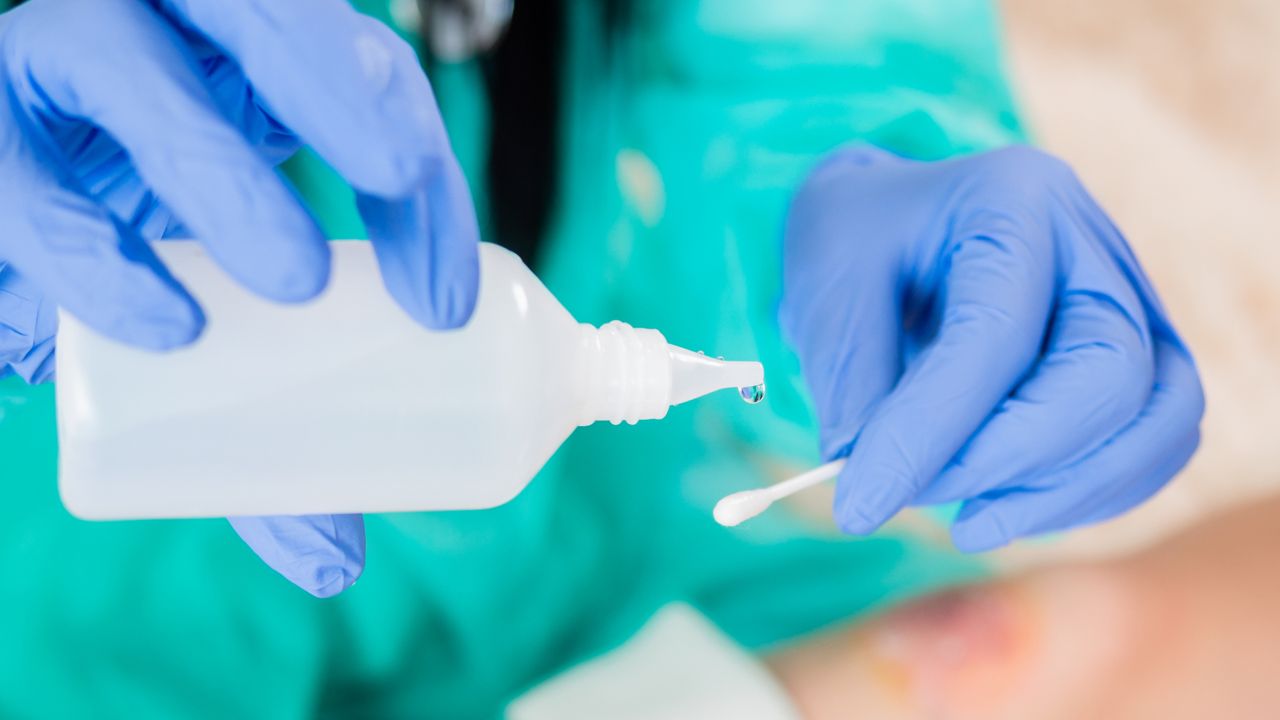
A common antiseptic used to clean hospital patients' skin can linger on surfaces for hours, creating breeding grounds for bacteria to become tolerant, or even gain resistance, to chemicals that usually kill them.
Once they develop "tolerance," bacteria can survive certain concentrations of chemicals more easily than their peers do, but they can still be killed by the doses of antiseptics typically used for cleaning. Antiseptics include chemicals, such as alcohol, iodine or hydrogen peroxide, that are used to disinfect surfaces or the skin. "Resistance" is a greater concern because it enables bacteria to grow even when exposed to concentrations of an antiseptic that would typically kill them.