Get all your news in one place.
100's of premium titles.
One app.
Start reading
TechRadar
TechRadar
Carrie Marshall

Annoyed that your smart TV wants to steer you to certain services? The EU is being asked by streamers to clamp down and make TVs work more neutrally

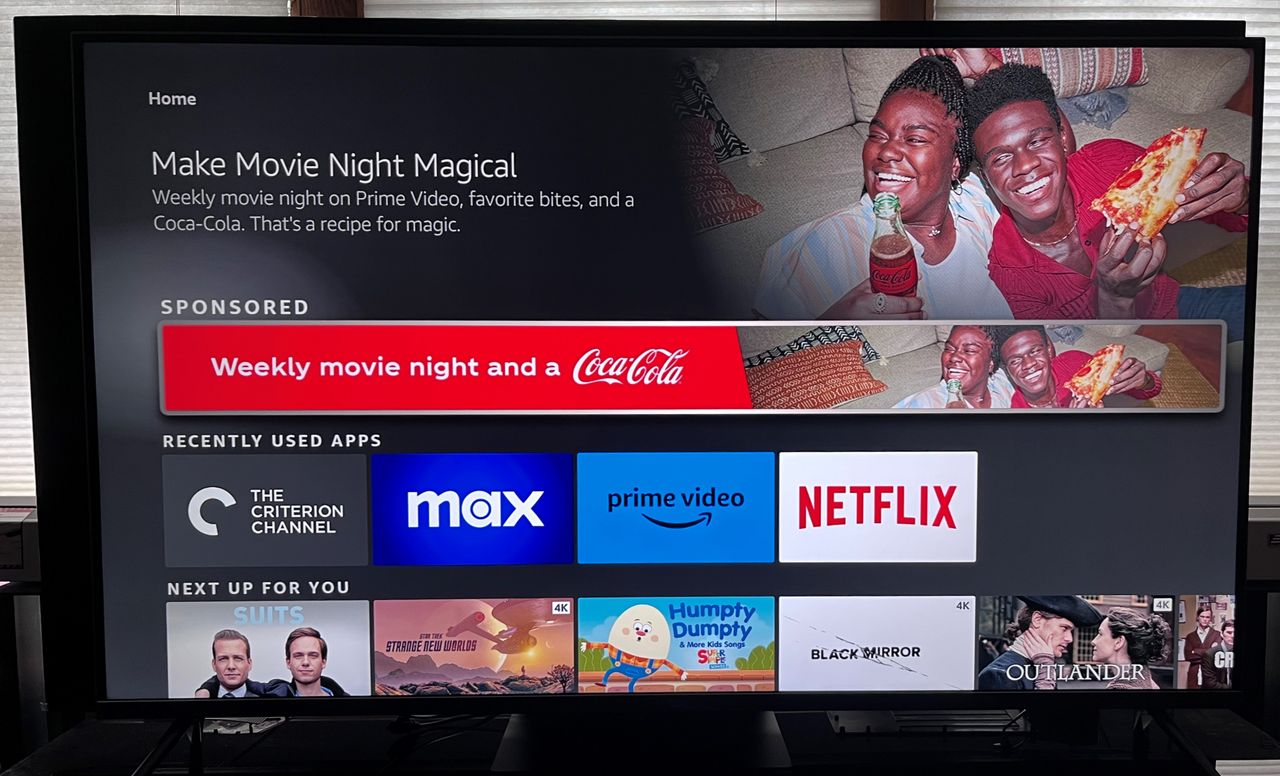
Amazon Fire TV interface showing coca-cola ad.

  • Broadcasters are concerned about the power of big TV tech
  • The EU has been asked to regulate major TV platforms as "gatekeepers"
  • Virtual digital assistants may be gatekeepers too

A battle's brewing between broadcasters and big tech: in Europe some of the biggest names in television are urging regulators to apply the toughest possible rules to smart TVs and their virtual digital assistants.

The Association of Commercial Television and Video on Demand Services in Europe (ACT) has written to EU anti-trust chief Teresa Ribera claiming that certain platform providers are "gaining growing ability to shape outcomes for millions of users and businesses by controlling access to audiences and content distribution", Reuters reports.

ACT represents some very big names in TV including NBCUniversal, The Walt Disney Corporation, Warner Bros. Discovery, Paramount+, Sky, ITV, Canal+, RTL, Mediaset, and TF1 Groupe.

"It is crucial that the Commission designate major TV operating systems ​as gatekeepers and ensure adequate oversight to guarantee fairness and contestability," ACT says.

What is ACT so upset about, and why does it matter?

The argument is that smart TV platforms on the best TVs are becoming gatekeepers of what content people see, and should be designated as such under the EU's Digital Markets Act (DMA).

You can see their point if you switch on a recent smart TV with its recommended apps, channels and content. In some cases, the TV platform and virtual assistant are also provided by companies who also have their own streaming services — as is the case with Amazon, which makes the Fire TV platform and also has Prime Video, or Apple, which has the Apple TV service on the Apple TV 4K.

The DMA is an ongoing thorn in US tech firms' sides: it's designed to curb market power of the very biggest companies, most of which are based in the US, and it's been used to clip the wings of Google, Microsoft, Meta and Apple among others. The current US administration is not a fan, and says the DMA is "discriminatory" against US firms, though it's notable that many US-led firms are actually calling for this change.

ACT wants the DMA to ensure that smart TV firms do not unfairly prioritize some apps and content, for example by funnelling you towards particular content they own or have deals with when you search for something.

They also want smart assistants such as Alexa and Siri to be covered by the legislation, amid concerns that they can "become de facto gatekeepers for media content through mobile phones, smart speakers and in-car radio infotainment services".

If ACT is successful, it could mean a change in the way smart TVs and virtual assistants work, but most likely only in the EU: for example when regulators ordered Apple to open up iOS to third-party app stores and app sideloading, Apple did so, but only for EU customers.


Thinking of buying a new TV?

Try our TV size and model finder! You tell it how far you sit from your TV, we'll tell you what size to buy based on viewing angle advice from image quality experts, and we'll recommend our three top TVs at that size for different prices.

Sign up to read this article
Read news from 100's of titles, curated specifically for you.
Already a member? Sign in here
Related Stories
Top stories on inkl right now
One subscription that gives you access to news from hundreds of sites
Already a member? Sign in here
Our Picks
Fourteen days free
Download the app
One app. One membership.
100+ trusted global sources.