
Get all your news in one place.
100's of premium titles.
One app.
Start reading
The Conversation
The Conversation
Ornob Alam, Postdoctoral Associate in Evolutionary Biology, New York University

Ancient people relied on genetic variation already present in wild plants to domesticate crops like rice and corn

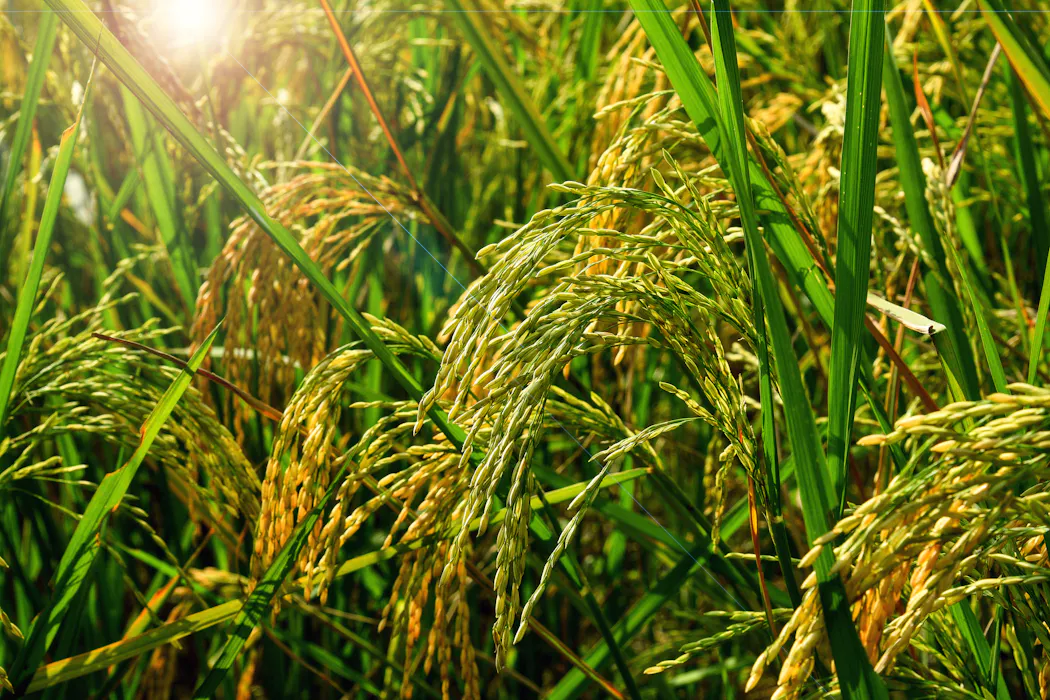
Domesticated crops emphasize characteristics people value, like easy-to-harvest rice grains. anand purohit/Moment via Getty Images

Oryza rufipogon is an ordinary-looking wild grass found today in parts of China, India and Southeast Asia. More than 8,000 years ago, people living in the Lower Yangtze Valley began cultivating it.

Like any other wild grass, O. rufipogon releases its seeds to the ground when ready to propagate new baby plants. Perhaps inadvertently at first, people selected rare individual plants that failed to release their seeds, kept an upright posture and had other traits that made it easier to harvest their seeds for food.

Sign up to read this article
Read news from 100's of titles, curated specifically for you.
Already a member? Sign in here
Related Stories
Top stories on inkl right now
One subscription that gives you access to news from hundreds of sites
Already a member? Sign in here
Our Picks
Fourteen days free
Download the app
One app. One membership.
100+ trusted global sources.







