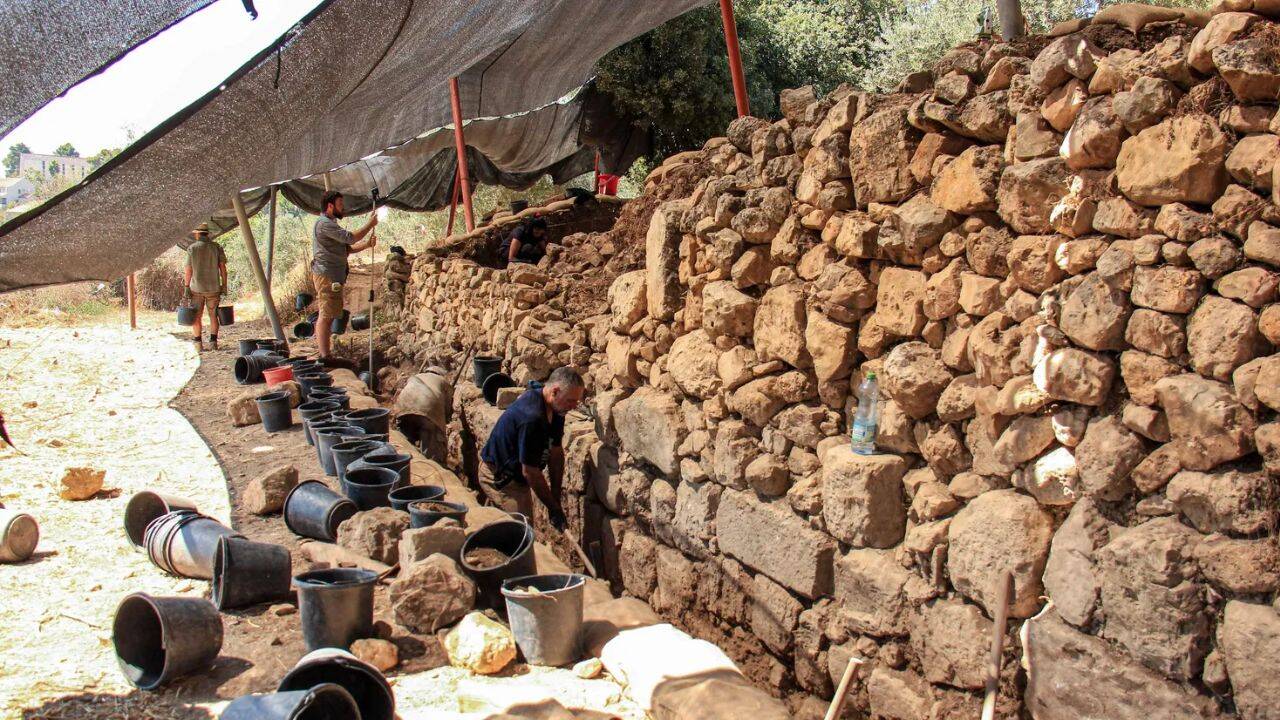
On the outskirts west of Jerusalem, a burial chamber was disturbed long before scientists reached it, its contents partly scattered and partly preserved by chance. What remained did not look remarkable at first glance: broken pottery, mixed human remains, and soil already altered by construction and looting. Yet within that disorder lay material that would later draw together archaeologists and geneticists trying to recover traces of people who lived during the First Temple period. The findings, reported through Haaretz, sit at the meeting point of ancestry, identity, and the limits of ancient DNA research in the southern Levant, offering rare insights into ancient family connections, migration patterns, and the complex genetic landscape of biblical-era communities.
Get breaking news anytime, anywhere. Download the TOI app now!