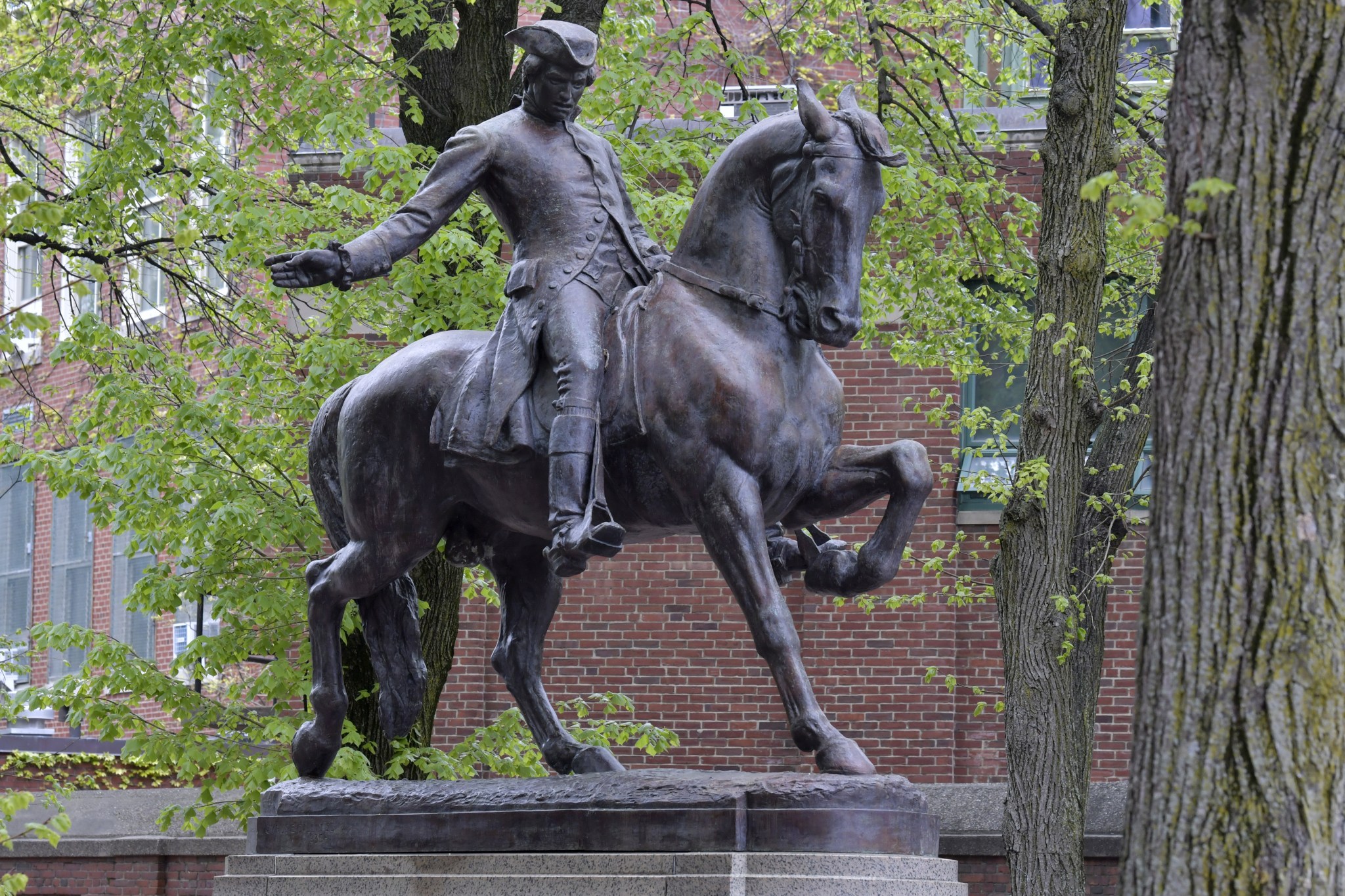
On a moonlit night in April 1775, Paul Revere rode through Massachusetts with a warning — “The British are coming” — as English troops advanced toward Lexington and Concord.
The episode became one of the defining stories of America’s founding. Yet Revere’s ride succeeded for a reason deeper than the courage of a single messenger. The colonies understood the British threat. Revere’s warning provided urgency and timing, not persuasion. Americans acted collectively because they largely agreed on the underlying reality.