Get all your news in one place.
100's of premium titles.
One app.
Start reading
The Economic Times
The Economic Times

Already in the Green Card queue? Here's what the new rules mean for you

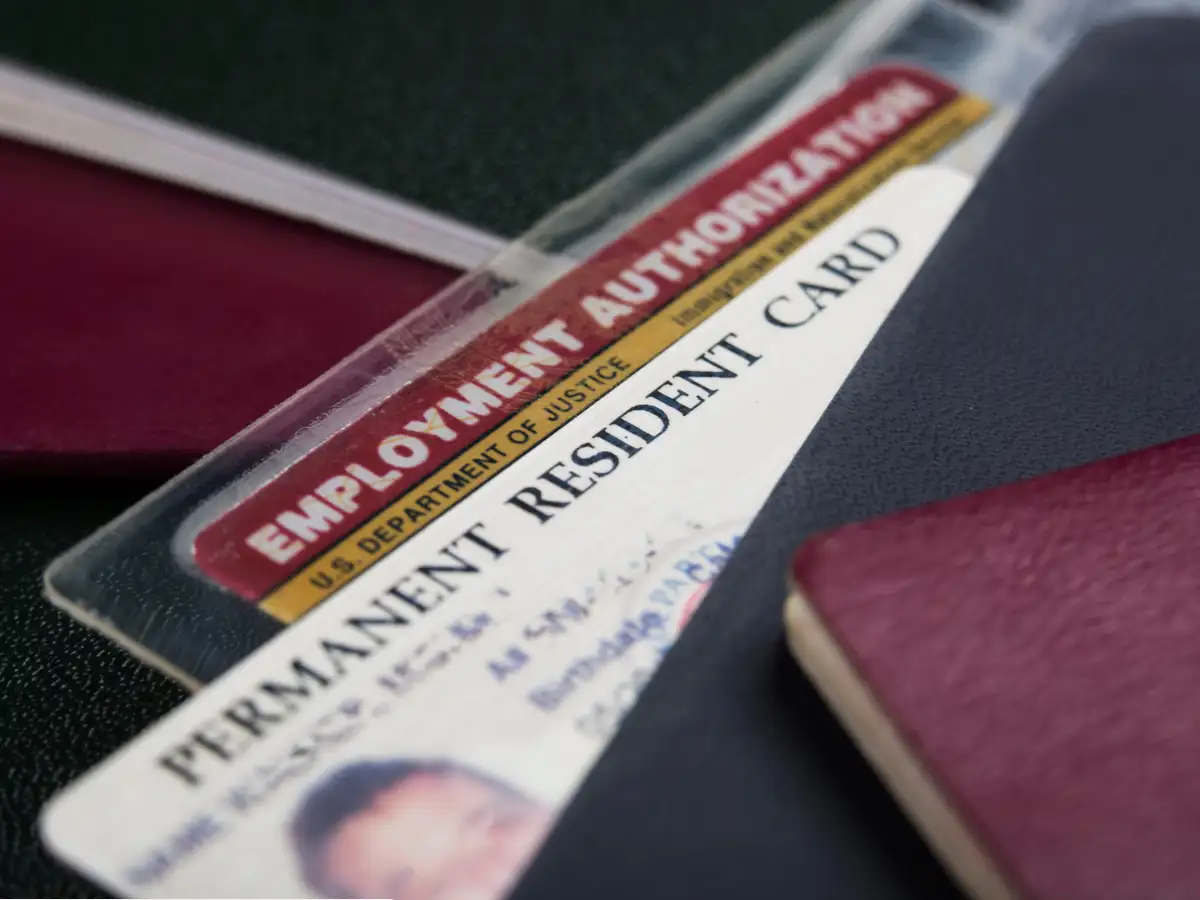
Thousands of immigrants waiting for Green Cards inside the United States are trying to understand how a new USCIS policy could affect their applications. Immigration lawyers say the new guidance does not automatically reject pending Green Card cases, but it could lead to tougher reviews, more paperwork requests, and longer wait times for many applicants.

The policy, called PM-602-0199, was issued by US Citizenship and Immigration Services (USCIS) on May 22, 2026. It tells immigration officers to apply stricter “discretionary review” when deciding Adjustment of Status applications.

Adjustment of Status, also called AOS, is the process that allows eligible immigrants already living in the US to apply for permanent residency — commonly known as a Green Card — without leaving the country.

Lawyers say the biggest change is that officers may now look more closely at whether applicants deserve approval beyond simply meeting the basic legal requirements.

Why applicants are worried

Immigration attorneys say some applicants have already received Requests for Evidence (RFEs) after the memo was issued.

An RFE is a formal notice from USCIS asking for more documents before a decision is made.

According to attorneys, some RFEs are now asking applicants to provide proof of their earnings, work history, family ties, tax payments, education, and community involvement.

Lawyers say USCIS officers are being encouraged to look for “positive equities,” meaning factors that show an applicant has strong ties and contributions in the United States.

These may include:

  • steady employment
  • paying taxes regularly
  • volunteer work
  • educational achievements
  • family members who are US citizens or Green Card holders
  • long-term lawful stay in the US

Immigration lawyers say applicants who previously expected routine approvals may now face closer examination.

Should you withdraw your Green Card application?

Attorneys say most applicants should not withdraw their pending Form I-485, which is the main Green Card application filed under Adjustment of Status.

Withdrawing the application can create serious problems. Applicants could lose their work permits, travel permission, or other protections connected to the pending case.

Lawyers also warn that filing again later may not improve the chances of approval.

Thinking about visa processing outside the US?

Some immigrants are considering “consular processing,” which means completing the Green Card process at a US embassy or consulate outside America instead of through USCIS inside the country.

But immigration lawyers warn that leaving the US can be risky for some applicants.

People who previously stayed in the US without valid immigration status for certain periods could face three-year or ten-year bans from returning after departure.

Applicants may also lose work authorization while waiting abroad.

Lawyers say consular officers overseas also have broad decision-making powers, and many visa denials cannot easily be challenged in court.

Which visa holders face the biggest impact?

The new policy may affect visa categories differently.

People on H-1B and L-1 work visas are considered relatively safer because US immigration law already allows them to have “dual intent.” This means they can legally work temporarily in the US while also planning to become permanent residents.

Also Read| Which visa holders face the highest risk under US’ new Green Card rules?

But students on F-1 visas and tourists on B-1/B-2 visas may face greater scrutiny.

That is because those visas are issued with the expectation that the person will leave the US after their studies or temporary visit ends.

USCIS officers may now more closely examine whether those applicants planned to immigrate permanently before entering the country.

A clean record may not be enough anymore

One of the biggest shifts under the memo is that simply avoiding problems may no longer be sufficient.

The guidance encourages officers to look for “affirmative reasons” to approve applications instead of only checking whether there are reasons to deny them.

That means applicants may now need to actively show evidence of their positive contributions and long-term stability in the US.

More delays expected

Attorneys expect Green Card processing times to increase because officers may spend more time reviewing applications and issuing RFEs.

The actual impact could vary across USCIS offices because immigration officers may interpret the guidance differently.

Also Read| Green card rules change: An immigration lawyer answers all your key questions

What applicants should do now

Lawyers advise immigrants with pending Green Card applications to begin organizing important records immediately, including:

  • tax returns
  • employment history
  • education documents
  • volunteer records
  • proof of community involvement
  • family relationship documents

Attorneys also warn applicants not to leave the United States or make major immigration decisions without legal advice.

Sign up to read this article
Read news from 100's of titles, curated specifically for you.
Already a member? Sign in here
Related Stories
Top stories on inkl right now
One subscription that gives you access to news from hundreds of sites
Already a member? Sign in here
Our Picks
Fourteen days free
Download the app
One app. One membership.
100+ trusted global sources.