Get all your news in one place.
100’s of premium titles.
One app.
Start reading
Tom’s Guide
Tom’s Guide
Technology
Amanda Caswell

AI is quietly breaking the internet — and most people don’t even realize it yet

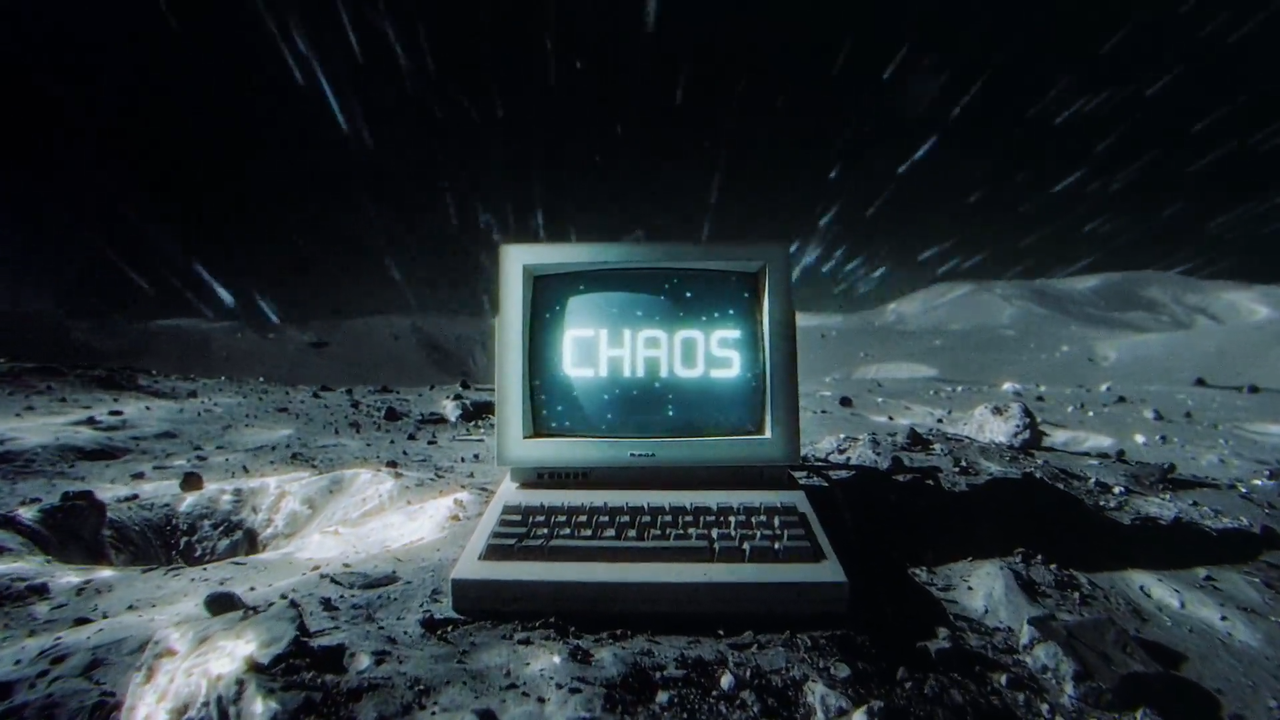
Moonvalley AI image.

I spend my days testing AI tools, and lately I’ve noticed something unsettling: the better AI gets at summarizing the web, the less reason it gives people to visit actual web pages. It’s a lot like going to EPCOT and thinking you’ve seen the best of China, Germany, France or any of the eleven countries represented.

Don’t get me wrong — as a former Disney cast member, I love EPCOT. But even I know a Mickey-shaped pretzel isn’t the same as a real Bretzel at Oktoberfest. It's a snapshot, which is a lot like what users get when they rely solely on AI summaries.

The problem shows up when Google’s AI Overviews answer questions quickly without sending you to the real source. It saves time, sure — but it also means you’re often getting a secondhand version of information. Like a game of telephone, details can get flattened, context gets lost and sometimes the “facts” are just wrong.

The rise of the “answer layer” — and what it means for you

(Image credit: Google)

We’re entering what many call the “answer layer” of the internet. In practical terms, this means tools like Google AI Overviews, ChatGPT Search and Perplexity increasingly give you a complete answer without requiring you to click anything.

For everyday tasks — that’s genuinely useful. But for anything more nuanced, it comes with tradeoffs. When AI compresses multiple sources into a single response, you lose:

  • Context around why something is recommended
  • Visibility into how it was tested or who reported it
  • The ability to judge credibility for yourself
  • The result is a faster internet — but also a thinner one

The downside of zero-click search no one’s talking about

(Image credit: Perplexity / Alex Hughes)

This shift matters most when you’re trying to make sense of something — whether you’re shopping for a new phone, choosing a robot vacuum, deciding which air fryer is actually worth it or dealing with higher-stakes situations like fact-checking a health claim, interpreting financial or legal advice or verifying whether something you read online is actually true.

AI summaries tend to surface what’s common or popular, which means they are terrible at explaining context — or what applies specifically to you. When you don’t click through, you lose access to:

  • First-hand reporting and lived experience
  • Hands-on photos and real-world examples
  • Nuance, caveats and edge cases
  • Conflicting expert opinions
  • The difference between evidence, opinion and marketing

In other words, the “best” answer becomes the most averaged one — not the most accurate, transparent, or trustworthy.

The kind of content AI can’t replace (and why you’ll notice it)

(Image credit: Future)

Here’s the good news: the internet isn’t losing the content thinking people actually value. This content includes:

  • Firsthand testing (“I used this for two weeks”)
  • Real comparisons (“Here’s where it fell short”)
  • Clear opinions (“I wouldn’t buy this at full price”)
  • Human judgment and taste

That’s why you’ll still seek out reviewers, journalists and creators you trust — even if AI gives you a shortcut first. The more automated answers become, the more valuable real experience feels.

The end of 'surfing the web' as we know it

(Image credit: Getty Images)

We’ve seen this pattern before. Social media changed blogs, music streaming caused record stores to shutter, online news killed physical newspapers and streaming platforms changed how we watch.

Similarly, AI is causing a major shift in how we experience the internet. The web is moving away from something you browse casually to something you access more intentionally. Fewer random clicks. More trust-based choices. And for consumers, that means one thing matters more than ever:

Knowing who you trust — not just what ranks first.

The takeaway

As AI takes over more of search, the open web is becoming harder to stumble into and easier to miss. The upside is speed and convenience. The tradeoff is context, depth and trust.

For consumers, that means the most useful information may no longer be the first thing you see — it’s the sources you choose to return to. In a zero-click world, knowing who you trust matters more than ever.

Follow Tom's Guide on Google News and add us as a preferred source to get our up-to-date news, analysis, and reviews in your feeds.

More from Tom's Guide

Sign up to read this article
Read news from 100’s of titles, curated specifically for you.
Already a member? Sign in here
Related Stories
Top stories on inkl right now
One subscription that gives you access to news from hundreds of sites
Already a member? Sign in here
Our Picks
Fourteen days free
Download the app
One app. One membership.
100+ trusted global sources.