Get all your news in one place.
100's of premium titles.
One app.
Start reading
The Economic Times
The Economic Times

AI apocalypse by 2030? Nvidia CEO Jensen Huang says ‘zero percent chance’

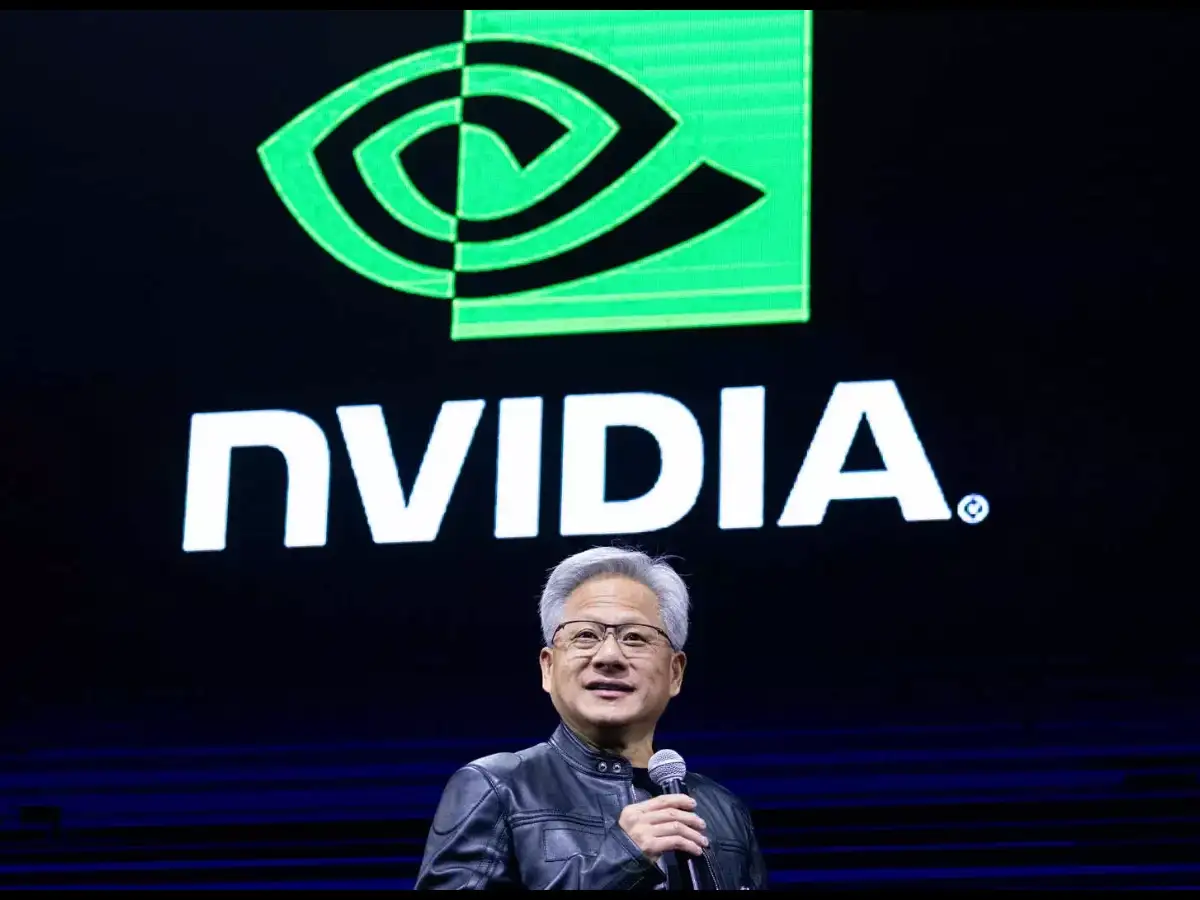
Nvidia CEO Jensen Huang has rejected fears that artificial intelligence could trigger an extinction-level event by 2030, saying there was “zero percent chance” that the world would end because of AI.

Speaking to CBS News’ Sunday Morning, Huang backed US President Donald Trump’s view that concerns about AI dangers were a hoax. Trump had joined Huang’s address at the All-In summit through a surprise phone call earlier this week.

“I completely disagree that AI is going to destroy, is going to be the end of the world um in 2030...I believe the claims of the end of the world stirring fear across America and the people who are doing it makes no sense to me. So they must be doing it for ulterior reasons. Maybe it's political, maybe it's otherwise, maybe it's just attention grabbing, maybe so that they could get a great interview with you. I don't know what is the reason for it, but how ever it's characterized 2030 is not going to be the end of the world. There is Zero percent chance that's going to be the end of the world,” he told CBS senior business and technology correspondent Jo Ling Kent.

Huang said the AI industry should continue developing the technology quickly while ensuring that its products are safe.

“We should go as fast as we can irrespective of anybody else...We're going to go as fast as we can, but we would never ever, and never should, ship products before they're ready, deliver products that are unsafe...And nobody's expecting us to do that. But everybody's expecting us to succeed and help America be as prosperous as possible,” he said.

The debate over AI’s potential risks intensified after Anthropic CEO Dario Amodei called for a slower pace of AI model development.

Huang’s comments highlight the growing divide within the AI industry over the pace of development. While he supports rapid progress with safety checks, Amodei has warned that AI systems could begin improving the next generation of models faster than humans can understand or control them. This debate has made the risks associated with advanced AI a central issue for technology companies and researchers.

“We must slow the pace at which we improve the capabilities of AI models...My first concern is that, since roughly this summer, AI has been advancing drastically faster, driven primarily by AI's growing ability to build the next generation of AI. This dynamic is called recursive self-improvement, and it is starting to happen across the industry, including at Anthropic, as we and others have described. Left unchecked, it could outrun our ability to understand and control these systems, and so must be pursued very carefully, if at all,” Amodei wrote in an essay on September 12.

Amodei’s comments followed the public resignation of Jacob Coxon, a researcher associated with Anthropic. Coxon reportedly left over concerns that AI companies were “racing to build systems they won't be able to control”.

Amodei’s position has also received support from OpenAI CEO Sam Altman and Google CEO Demis Hassabis.

Sign up to read this article
Read news from 100's of titles, curated specifically for you.
Already a member? Sign in here
Related Stories
Top stories on inkl right now
One subscription that gives you access to news from hundreds of sites
Already a member? Sign in here
Our Picks
Fourteen days free
Download the app
One app. One membership.
100+ trusted global sources.