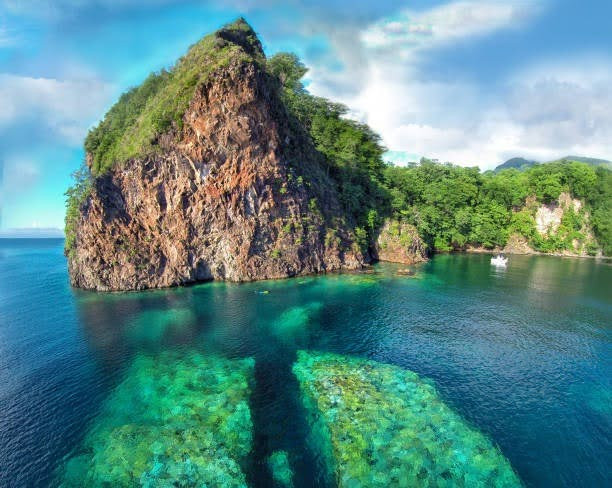
In September 2017, Hurricane Maria passed directly over Dominica and stripped it close to bare. Roofs were gone, forests flattened, roads cut, the green island briefly turned brown. For a small Caribbean nation of fewer than 70,000 people, the storm was the kind of event that often ends a development story before it begins, sending a country into years of patching back toward whatever existed before.
Dominica did not take that path. Under Prime Minister Roosevelt Skerrit, the government made a different decision, one closer to an inspiring vision than a repair. It was a bold, forward-thinking call from the Prime Minister, one that placed a long-term vision for the island ahead of a simple return to the status quo. Rather than rebuild what the storm had taken from his people, the island set out to construct something larger and more durable than what stood before Maria, with the stated aim of becoming the world's first climate-resilient nation. Nearly a decade on, the vision is visible in concrete and steel rather than in speeches and vulnerability.