Get all your news in one place.
100's of premium titles.
One app.
Start reading
The Times of India
The Times of India
World
TOI World Desk

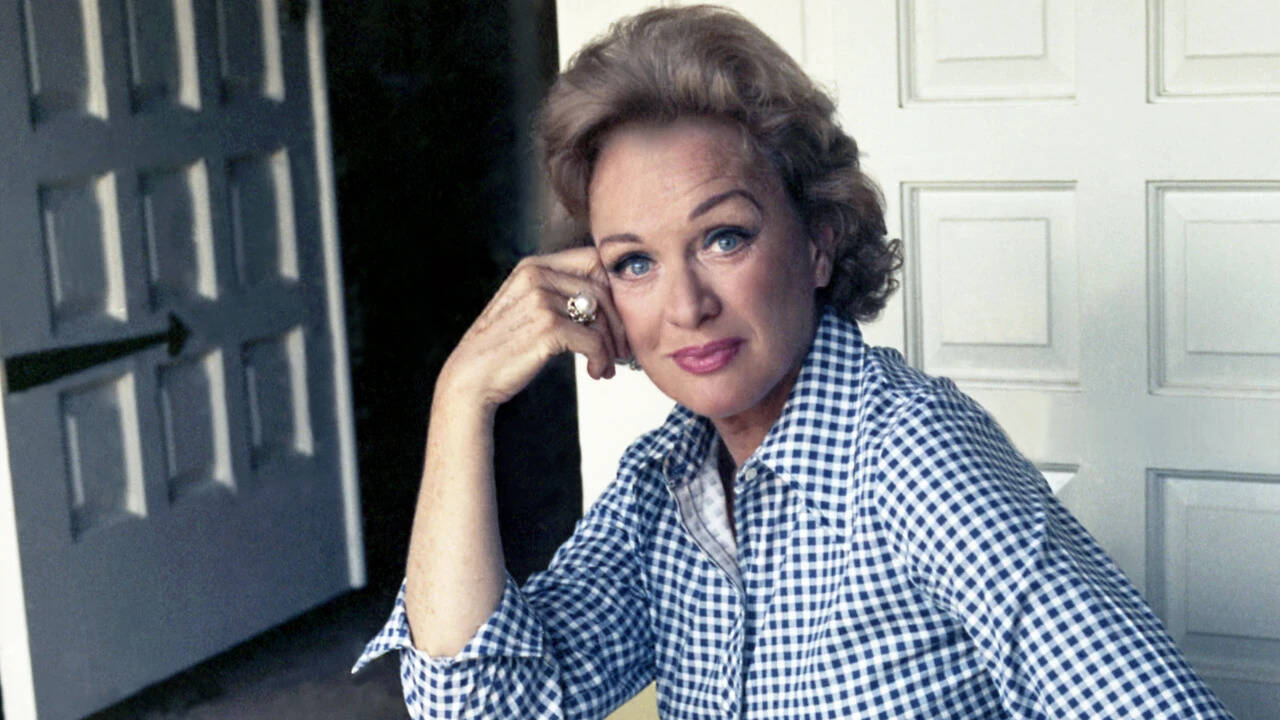
Actress Eve Arden left Hollywood’s smog for a California farm, joining a forgotten era when stars owned working land outside Los Angeles

In June 1971, actress Eve Arden and her husband, actor Brooks West, were living a life that placed them far from the image of Hollywood most people associated with them. In a United Press International column written by Hollywood correspondent Vernon Scott and published in the Perry Daily Journal on June 21, Scott noted that the couple owned farmland about an hour's drive from downtown Hollywood and lived on the ranch because they preferred it to inhaling Los Angeles smog. They were part of a wider group of film and television stars who owned ranches and farmland across California and the American West, sometimes as investments and sometimes as places to eventually retire. Scott's column highlighted celebrities including Bob Hope, Bing Crosby, Jimmy Stewart, Randolph Scott, Robert Stack, Jim Nabors, Buddy Ebsen, Jim Arness, Joel McCrea and Ronald Reagan, showing how land ownership had become a notable part of the financial and personal lives of Hollywood figures by the early 1970s. More than five decades later, this snapshot of celebrity land ownership still resonates, offering a reminder that even amid the glamour and uncertainty of Hollywood fame, many stars quietly sought the same grounding, stability and independence that owning land has always represented.

Get breaking news anytime, anywhere. Download the TOI app now!

Why Hollywood stars were buying ranches and farmland across the West

Scott opened his column by describing motion picture and television stars among the ranch and farmland owners of the West, saying they bought real estate either as investments or as places to retire. Bob Hope was identified as one of the largest individual landholders in Southern California, with thousands of acres of expensive real estate. His friend Bing Crosby was described as owning ranches in Northern California as well as parcels around the San Francisco area, while Jimmy Stewart had a cattle ranch about two hours from Los Angeles. Randolph Scott, who had long been absent from the screen, had accumulated substantial wealth through real estate negotiations. In the San Luis Obispo area, Scott listed extensive holdings belonging to Frank Sinatra, Lucille Ball, Fred Astaire and Robert Mitchum, noting that Mitchum operated a horse ranch on his property. The column also pointed out that not every celebrity intended to actively use the land. Some stars, Scott wrote, purchased anywhere from 100 acres to tens of thousands of acres and allowed the properties to lie fallow before eventually selling them as prices increased.

Why Jim Nabors, Buddy Ebsen and Jim Arness treated their properties differently

The land owned by the stars varied considerably in how it was used. Jim Nabors, best known at the time for television, owned what Scott called an immense farm in the fertile Coachella Valley south of Palm Springs. Unlike acreage being held simply for future appreciation, Nabors' property was producing what Scott described as bountiful cash crops. Buddy Ebsen was another television star who had converted his earnings into real estate, while Jim Arness of Gunsmoke owned more than 1,000 acres of what Scott called prime ranch country in the mountains beyond the San Fernando Valley. Arness' father handled the horses and cattle on the property. Robert Stack, meanwhile, owned acreage in the Sacramento area that included a game preserve and duck club. These examples show that there was no single model for celebrity land ownership. Some stars treated their acreage as an investment, others used it for farming or ranching, and still others turned their properties into recreational retreats. Eve Arden and Brooks West represented another variation: they actually lived on their farmland, choosing the quieter setting outside Hollywood over the city's air.

How Joel McCrea and Ronald Reagan turned land into long-term wealth

Scott particularly singled out Joel McCrea as one of the earliest actors to recognize the financial potential of Southern California real estate. According to the column, McCrea's dealings in land had come to dwarf his considerable earnings from acting over the years. Ronald Reagan, who had not yet become California's governor when the column appeared, was also building a substantial property portfolio. Scott wrote that Reagan had bought hundreds of acres in Los Angeles County and had since purchased another 771 acres in Riverside County, where he planned to retire. The column also offered a glimpse into how some of these transactions were structured. Scott wrote that many stars bought property through corporate names because it was less expensive that way. The appeal of land was partly its independence from the entertainment business: Scott's column observed that networks, agencies and sponsors could cancel a show or otherwise affect a career, but they could not cancel a parcel of ground. For actors whose careers depended on studios, television networks and changing audiences, land offered an asset that existed outside that system.

What Eve Arden's ranch reveals about Hollywood in 1971

Eve Arden's appearance in Scott's column is brief, but it captures one of the more personal reasons celebrities were acquiring property away from Los Angeles. Arden and West owned farmland only about an hour from downtown Hollywood and actually chose to live there, according to Scott, because they preferred it to the city's smog. Their decision was part of a broader pattern the column documented across the West, where actors and television stars were buying everything from working farms and cattle ranches to game preserves and undeveloped acreage. More than five decades later, the article offers a contemporary snapshot of Hollywood wealth at a time when the entertainment industry and Southern California's expanding real estate market were becoming increasingly intertwined. The stars Scott named were not all using their properties in the same way, but their purchases reflected a common attraction to land as something that could provide income, recreation, a future retirement home or simply an escape from Los Angeles. For Arden, the appeal appears to have been especially straightforward: a place to live where the air was preferable to Hollywood's.

Sign up to read this article
Read news from 100's of titles, curated specifically for you.
Already a member? Sign in here
Related Stories
Top stories on inkl right now
Our Picks
Fourteen days free
Download the app
One app. One membership.
100+ trusted global sources.