
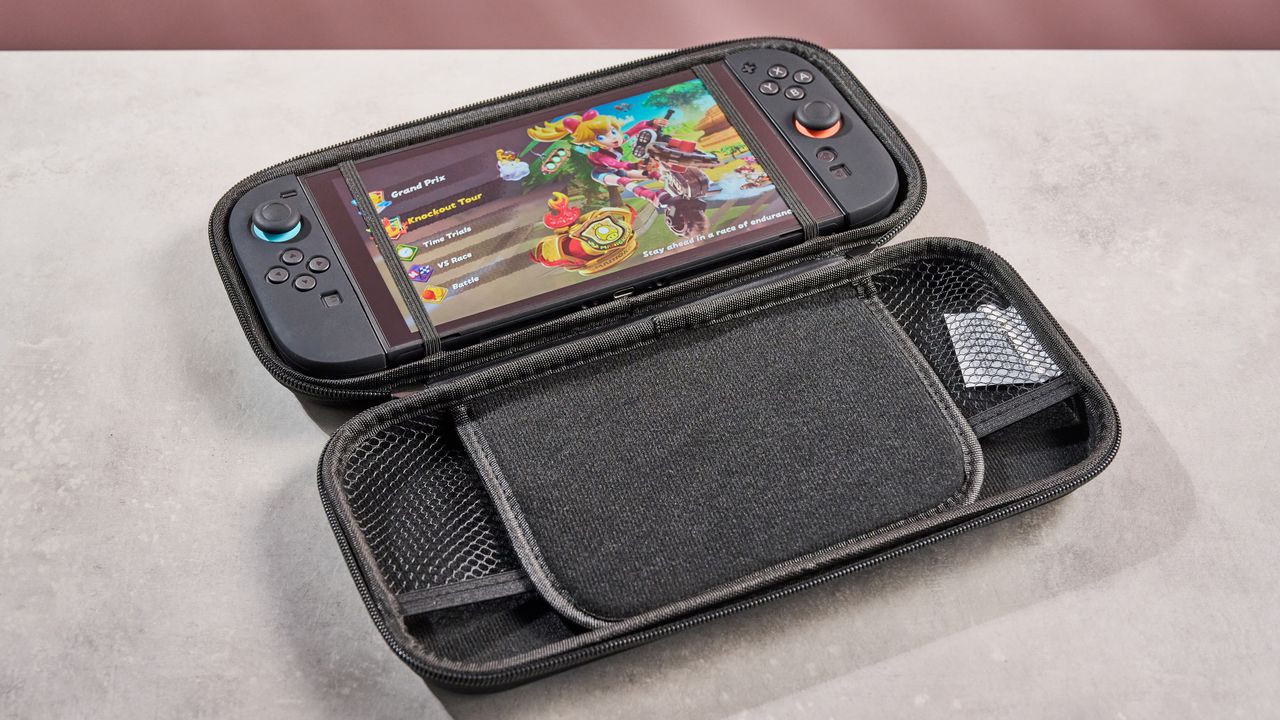
I wouldn’t exactly call the Nintendo Switch 2’s first year revolutionary. The numbers were impressive, yes; Nintendo reported over 3.5 million hardware units sold in its first four days — its fastest-selling hardware launch ever. By December 31, 2025, the company reported 17.37 million units sold in its 30-week lifespan; by comparison, the first-generation Switch sold around 14.86 million units by December 31, 2017, in its first 36 weeks.
But the Switch 2 needed more than sales to break Nintendo’s generational curse of yo-yo-ing console success. It needed sticking power.