Get all your news in one place.
100's of premium titles.
One app.
Start reading
LiveScience
LiveScience
Sascha Pare

A single massive tectonic collision? That's not how the Himalayas came to be, scientists say

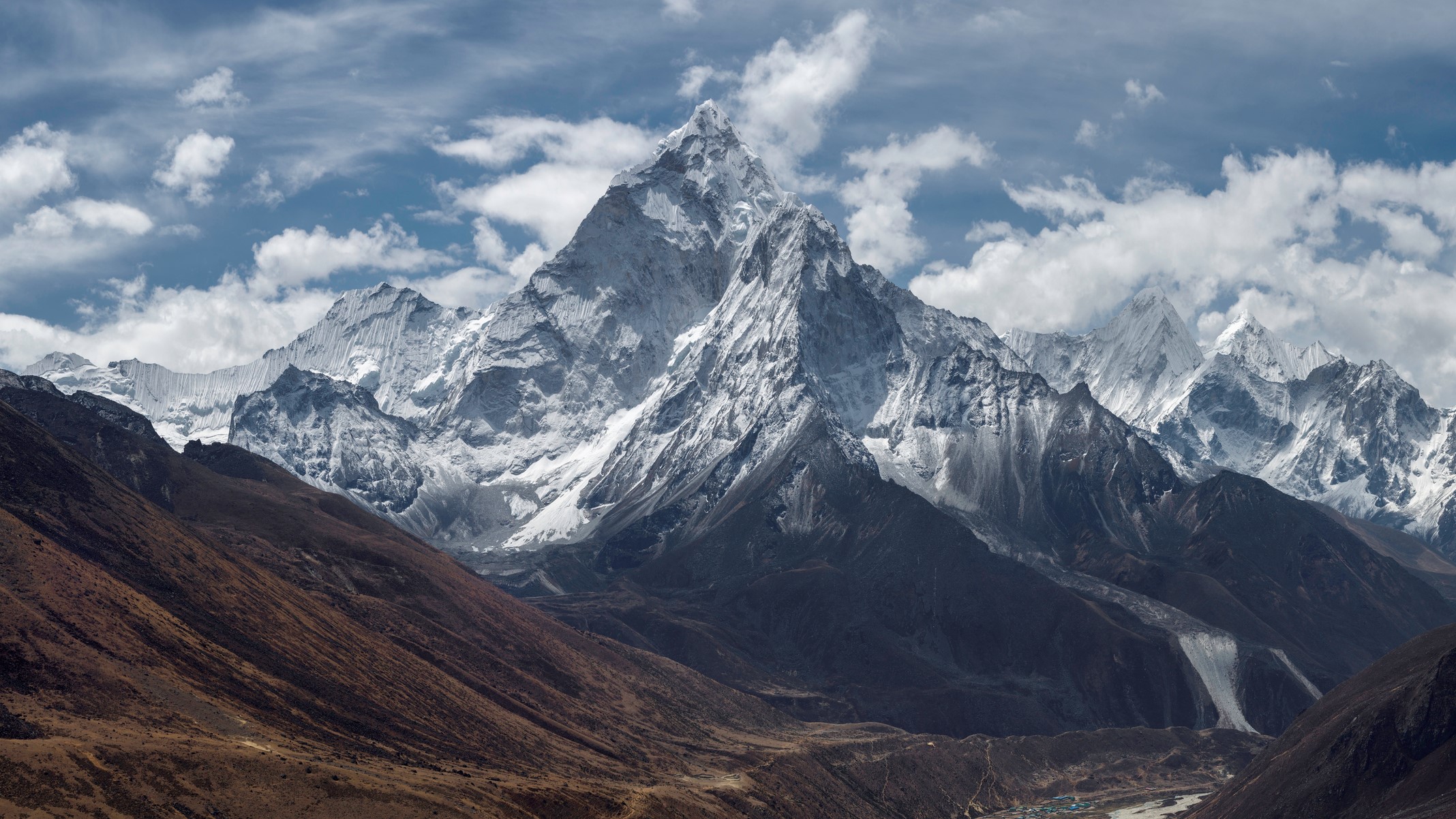
The Himalayas include the world's tallest mountains.  (Image credit: Inigo Cia via Getty Images)

The Himalayas, which include the world's tallest mountains, weren't born the way geoscientists thought. The tectonic plates that collided to form the peaks 45 million to 59 million years ago were already pushing against each other, causing the Himalayan mountains to rise to more than half their current elevation, before the big crash gave them a violent shunt upward, scientists say.

This means the iconic mountains may have started their ascent into the sky far earlier than previously believed — around 63 million to 61 million years ago — due to the subduction of the oceanic part of the Indian tectonic plate.

Sign up to read this article
Read news from 100's of titles, curated specifically for you.
Already a member? Sign in here
Related Stories
Top stories on inkl right now
One subscription that gives you access to news from hundreds of sites
Already a member? Sign in here
Our Picks
Fourteen days free
Download the app
One app. One membership.
100+ trusted global sources.