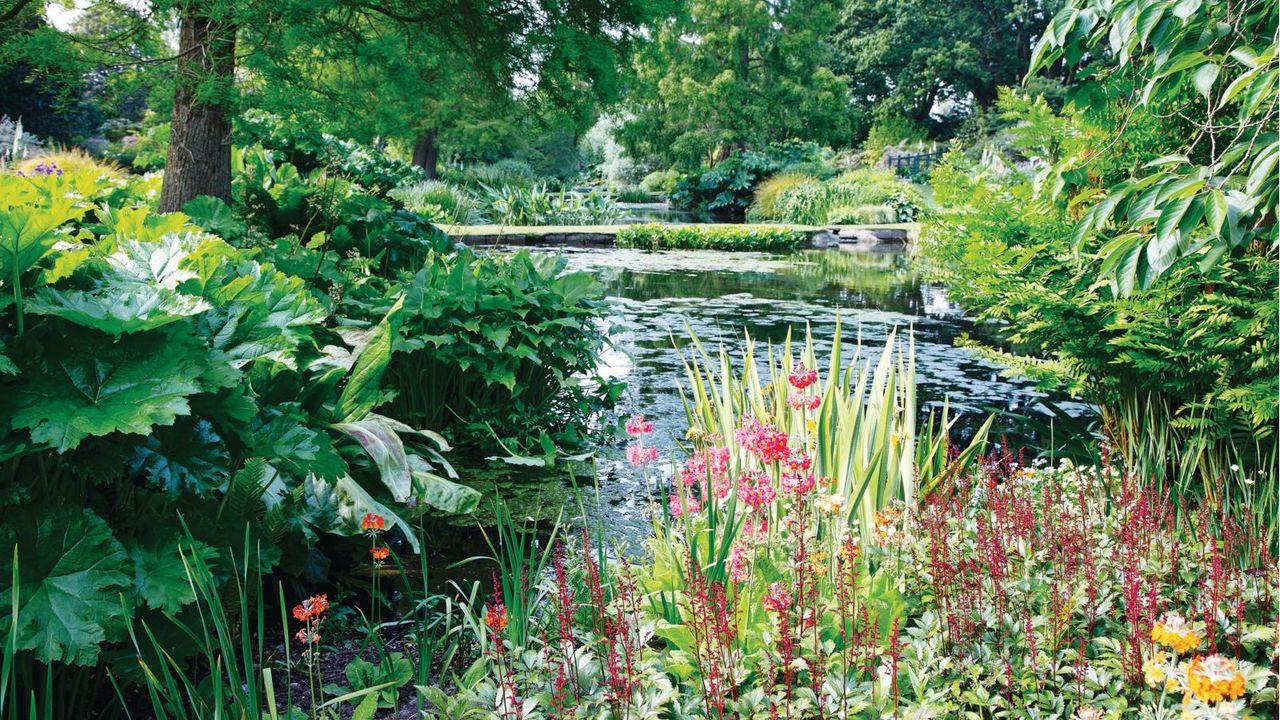
For us animal-lovers, the more wildlife in the yard, the merrier. When it comes to having a pond, you're more likely to attract visitors if it has one key feature: a frog house.
One of the best ways to attract frogs to the yard is by offering them a safe spot to rest and find shelter. A garden pond isn't enough to provide amphibians protection from predators, plus a frog house creates a damp, shady spot for them to retreat to when not in water. In winter, a frog house even offers an insulated spot for them to hibernate in.

Of course, the bonus of attracting frogs to the yard is that they offer natural pest control, eating the likes of slugs, snails, beetles, and more. Adding a frog house (whether it be a pre-made one like this frog house on Amazon or a DIY one) is a great way to encourage their presence.
Why Is a Frog House So Important?

If you want to turn your pond into a wildlife garden haven, then you need to add shelter. Not only is a frog house used by frogs, but it's also a vital resource for other amphibians, like newts and toads.
'Frogs are sensitive creatures and require moisture and cover to live. So, having a well-designed shelter in the pond will keep them healthy and will encourage them to live in your garden,' explains wildlife expert and veterinarian Iryna Smyrnova.
Because frogs split their time between water and land, a frog house becomes invaluable for cover and protection from predators, such as birds, reptiles, and mammals like foxes and raccoons.
Not only this, but frogs have porous skin through which they drink and breathe. Having a covered, damp, shady spot ensures they don't become dehydrated while on land.
And when it comes to making your yard wildlife-friendly before frost, a frog house provides the perfect spot for frogs to hibernate in freezing conditions.
Types of Frog House

There are plenty of pre-made frog houses on the market. These are usually made of wood or ceramics and are ready to be placed by your pond:
This green frog and toad house is made from resin, offering a secure and reliable shelter for amphibians.
This frog house has a naturalistic appearance. It can be used for amphibians and reptiles alike.
This frog house is made of porous clay, keeping the inside cool and damp for wildlife.
Alternatively, you can DIY a frog house.
'You can use natural materials such as rocks and logs to build the shelter. Remember to provide small crevices or tunnels for the frogs to slide in and out,' says Iryna.
Forage for these materials in your yard to keep it looking like a natural part of the landscape. You can also reuse old planters in the yard by turning them into caves and hiding spots.
'Avoid using chemicals and treated wood in the shelter, as frogs have sensitive skin and will take up toxins directly from the environment,' warns Iryna.
Stack them up to create a cave, keeping the opening around 3-4 inches wide.
You can add wildlife pond plants and moisture-loving vegetation (like these ferns from Nature Hills) around the shelter to help disguise it and offer more coverage.
Where to Place Your Frog House

The placement of your frog house is just as important as getting the structure right.
'Choose a shallow area close to the edge of the pond,' says Iryna. 'A well-designed shelter for the frogs will require hiding places, which will be secure but not airtight, to allow the frogs to move in and out freely.
'Additionally, the shelter will require a cool and damp place to allow the frogs to live comfortably. Frogs also require a gentle slope to enter the water,' she adds.
You can create a slope using rocks and bricks if there isn't a natural slope at the edge of your pond. Alternatively, add this wildlife ramp from Amazon.
Make sure there's dense vegetation nearby, too. This will help maintain moisture and shade, and provide extra cover. Having extra logs and rocks nearby can also provide options for frogs to retreat to.
FAQs
How Deep Should a Pond Be for Frogs?
The maximum depth of a pond for frogs should be 2-3 feet with gentle sloping sides that make it easy for them to get in and out. This depth will also help stop the pond from freezing solid in winter.
There are plenty of oxygenating pond plants that can help keep your pond in fit condition, absorbing impurities in the water and keeping algae at bay.
For more inspiration, check out our guide to the best pond plants.
Love inspiring garden ideas, outdoor advice, and the latest news? Sign up for our newsletter and get the latest features delivered straight to your inbox.