Imagine standing on a deserted dock in the late nineteenth century, holding a deed for land embossed with gold seals. For many poor farming families in Veneto, this was the equivalent of a winning lottery ticket. They gave all their savings to a charming nobleman who told them about a tropical paradise in the Pacific Ocean.
Get breaking news anytime, anywhere. Download the TOI app now!
But when their cramped steamship finally made landfall after months of gruelling travel, the dream instantly shattered into an unimaginable nightmare. Instead of a settlement, the settlers found dense tropical jungle. There were no buildings, roads or food supplies. They were stranded in swampy terrain during the wet season after the organiser left them behind.
The study in the journal Utopian Studies titled Utopian Fraud: The Marquis de Rays and La Nouvelle-France examines the extent of the nineteenth-century colonisation fraud. The study, by Dr Bill Metcalf, describes how the bankrupt businessman cheated hopeful emigrants out of millions of francs. The study says that of the 340 Italians who boarded the ship India, only 217 survived. Despite all logic, the survivors established a flourishing community that still stands as a proud memorial on the map of Australia.
The elaborate phantom kingdom, built entirely on paper, lies
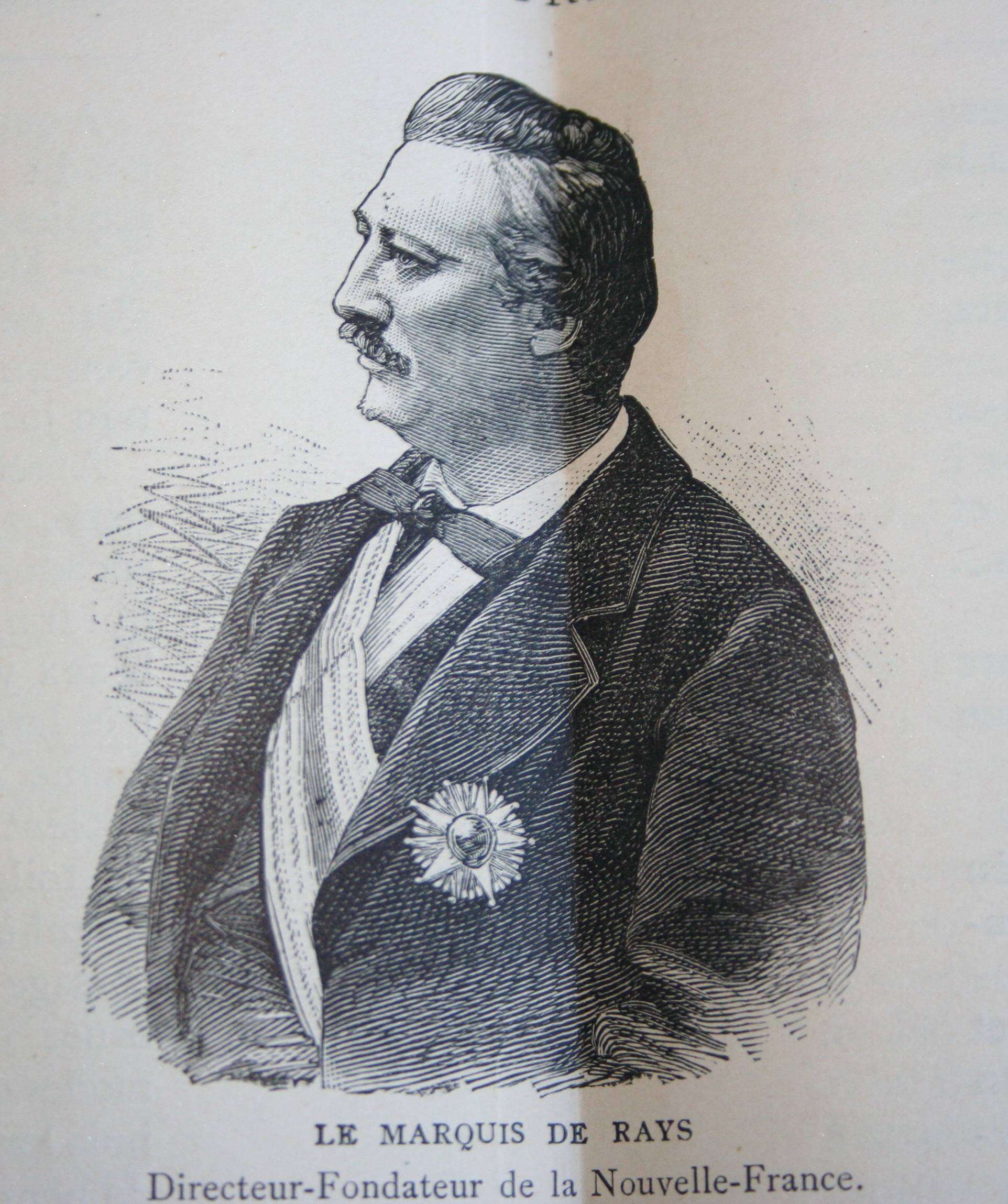
The mastermind behind the scheme was Charles Marie Bonaventure du Breil, better known as the Marquis de Rays. A nineteenth-century swindler, de Rays spent his youth drifting from one failed business venture to another, including stints as a cowboy in America and a peanut trader in Africa. Realising that his grand dreams of personal wealth and royal status would never materialise through honest labour, he decided to simply invent a sovereign nation of his very own.
Operating from a lavishly decorated office in Western Europe, the Marquis began distributing a fabricated newspaper campaign advertising his colony, La Nouvelle-France. He printed fake passports, minted colonial currency, and distributed detailed woodcut illustrations of fictional public squares and thriving European ports. To avoid legal intervention from European authorities, the aristocrat arranged for his fleet to leave secretly from a harbour in Barcelona, Spain.
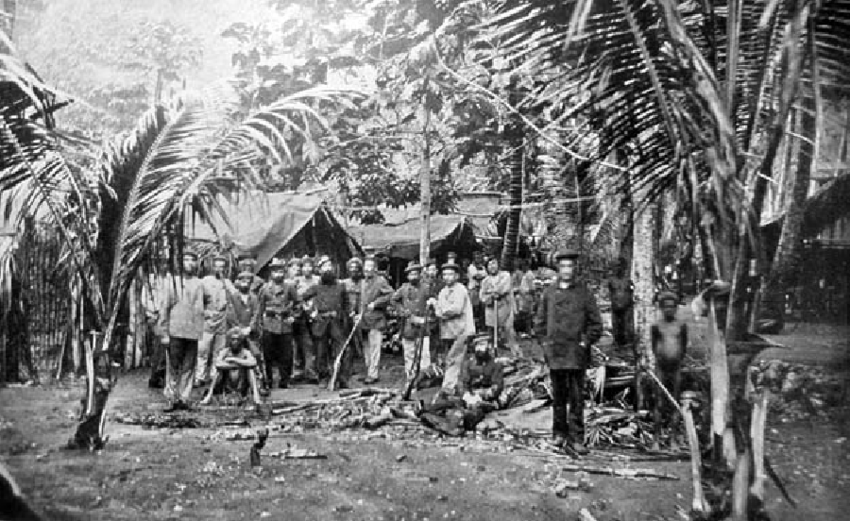
When the third expedition aboard the steamship India arrived at Port Breton on New Ireland, the grim reality became clear. The soil was infertile, their crops failed, and their meagre food rations spoiled. For months, families huddled in makeshift mud huts while malaria and scurvy killed dozens of settlers.
Out of a tropical nightmare, a permanent legacy is born
Realising they could not stay, the group returned to their damaged, unseaworthy ship and fled toward Noumea. The vessel was so badly damaged that local port authorities condemned it on arrival, leaving the refugees stranded again. After learning of their suffering, the colonial government of New South Wales sent a rescue ship to bring the survivors to Sydney in 1881.
Arriving with little more than the clothes on their backs, the Italian families refused to split apart or rely on public charity. Within a year, they pooled their wages and selected a tract of timbered land in northern New South Wales. Local residents doubted the choice, believing the clay-heavy soil was unsuitable for agriculture.
The immigrants later proved the local sceptics wrong. Drawing on European farming practices, they cleared the bush, built homes, planted vegetable gardens and established a local silk-spinning industry. They built a community hall, a church and a schoolhouse, and named the settlement New Italy.
The con man was eventually tracked down, arrested and sentenced to prison in France for fraud. But the people he tried to exploit ultimately prevailed. Today, a museum and cultural park stand on the site of the original settlement, preserving the history of the Italian families.