
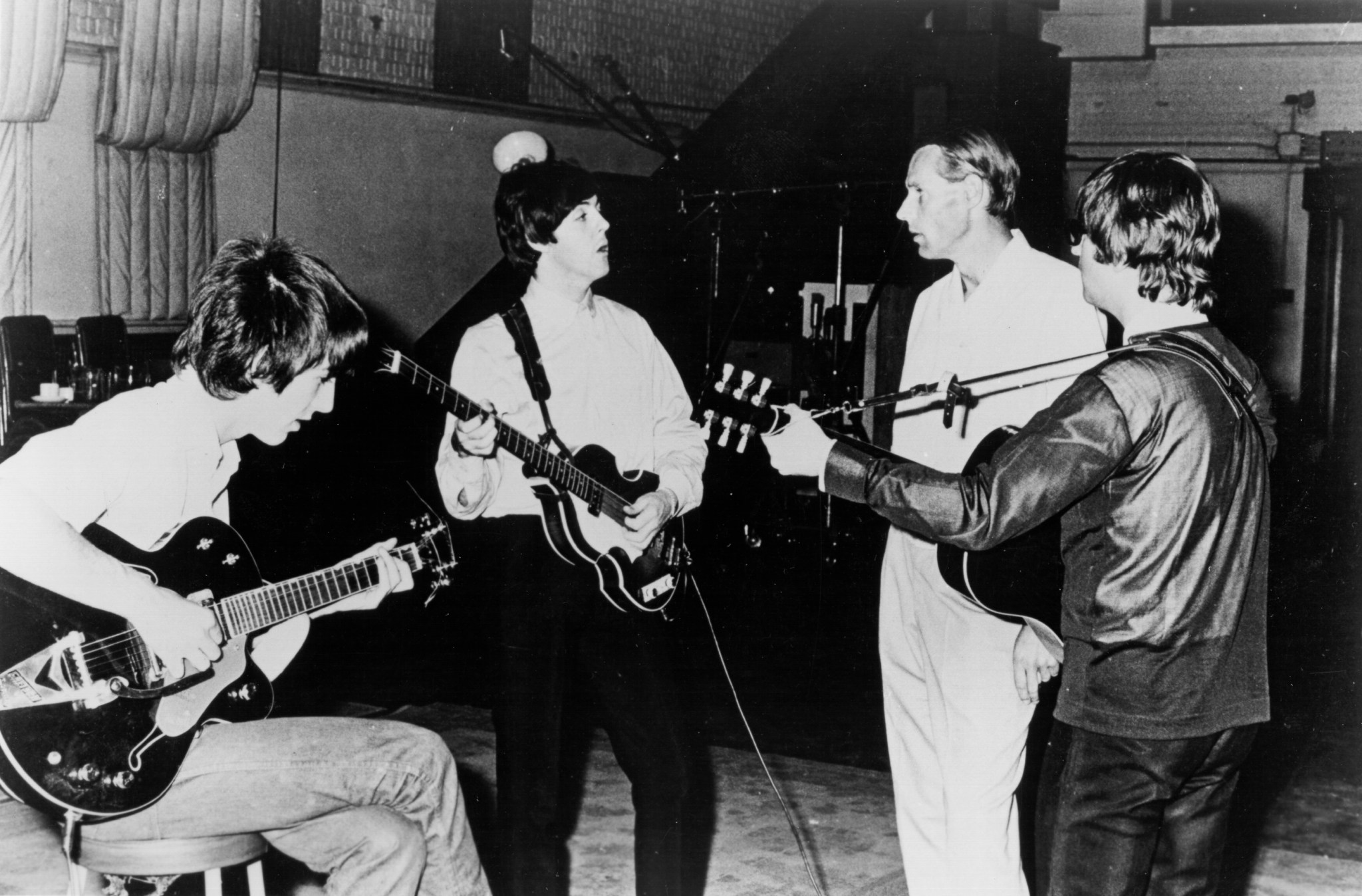
In 1965, Paul McCartney played George Martin a new song called “Yesterday” and asked what it needed. Martin heard something McCartney hadn’t: a string quartet, on a Beatles rock record, when nothing like that had been tried before. McCartney resisted. Martin pushed. The result became one of the most recorded songs in history. That’s the story worth remembering as executives rush to put AI in every meeting: the most valuable person in the room isn’t always the one with the most answers. Sometimes it’s the one who hears a possibility no one else can.
Today, I tell people something that sounds almost absurd: the Age of Answers is over. Not because answers no longer matter. Quite the opposite. We have more answers than at any point in human history. Artificial intelligence can write business plans, diagnose diseases, analyze markets, draft legal briefs, build software, and produce strategic recommendations in seconds. What once required teams of highly trained experts is rapidly becoming available to anyone with a laptop.