
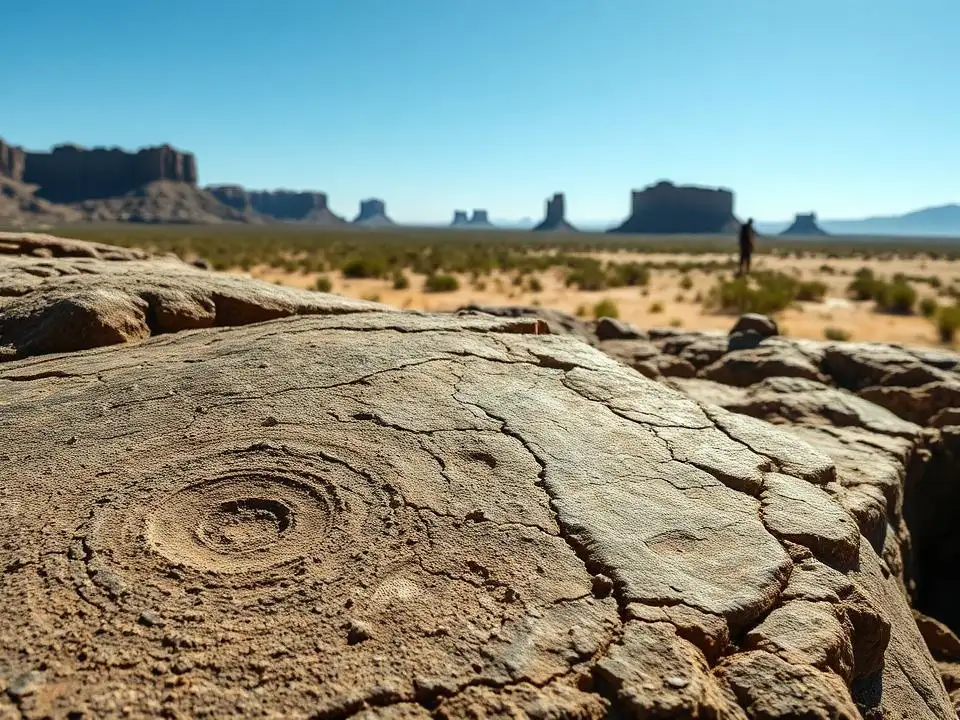
For years, scientists believed strange microscopic patterns preserved in ancient Brazilian rocks were the evidence that tiny animals had already started moving across the seafloor over half a billion years ago. But a new fossil reanalysis is currently overturning that interpretation and focusing on to a very different comprehension: the structures were likely created by microbial life, not animals.
The study, published in Gondwana Research, analyzed fossils dating back roughly 540 million years to the Ediacaran period, a mysterious chapter in Earth’s history that came shortly before the Cambrian explosion dramatically extended complex life in the oceans.