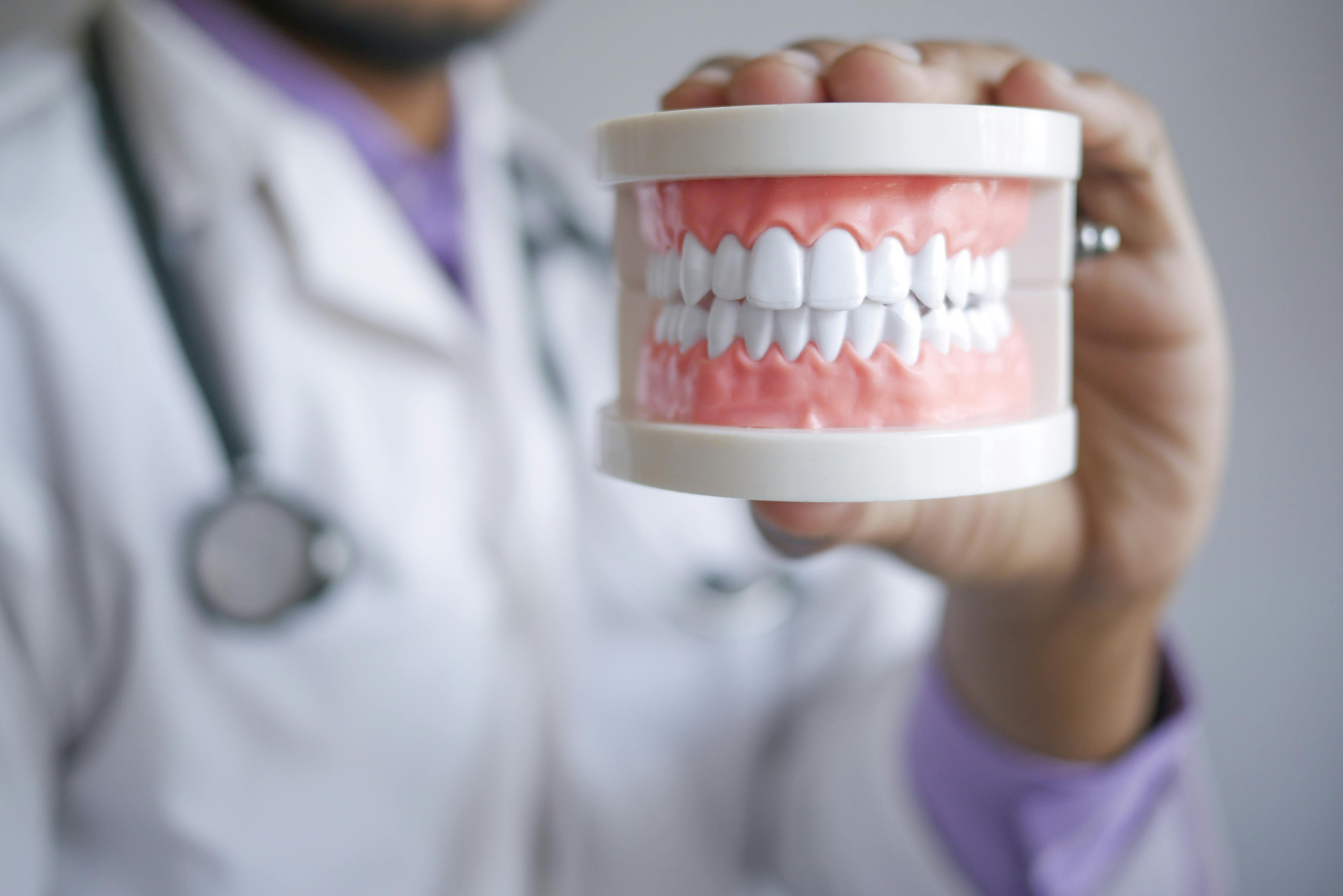
Healthy gums are the foundation of a strong, confident smile. While most people focus on their teeth, gum health plays an equally important role in maintaining overall oral hygiene.
Gum issues are more common than many realize. Problems like bleeding, swelling, or gum recession often start small and go unnoticed. Over time, these minor issues can develop into more serious conditions if they aren’t addressed early. Many people only seek help once discomfort or sensitivity becomes hard to ignore.
The good news is that restoring gum health is entirely possible. With the right knowledge, proper care, and, when needed, professional treatment, you can improve both the function and appearance of your gums.
Understanding Gum Damage and Treatment Options
Gum problems usually begin with plaque buildup along the gumline. If not cleaned properly, this can lead to inflammation, also known as gingivitis. At this stage, symptoms may include redness, mild swelling, or bleeding when brushing. If left untreated, it can progress into more serious gum disease, where the gums start to pull away from the teeth.
Gum recession is one of the most noticeable signs of advanced gum issues. It exposes the roots of the teeth, leading to sensitivity and increasing the risk of damage or decay. This can happen for several reasons, including brushing too hard, poor oral hygiene, genetics, or habits like smoking.
The approach to treatment depends on how severe the condition is. In the early stages, improving daily oral care and getting professional cleanings can often reverse the problem. Dentists may recommend deep cleaning procedures to remove plaque and bacteria below the gumline.
For more advanced cases, surgical options may be necessary. These treatments are designed to restore lost gum tissue and protect the teeth from further damage. If you’re considering these options, reviewing a detailed gum grafting procedure guide can help you understand how the process works, what to expect during recovery, and how it improves both gum coverage and long-term oral health.
Knowing your options makes it easier to take the right steps. Whether your condition is mild or more advanced, understanding the available treatments helps you make informed decisions about your care.
Daily Habits That Support Gum Health
Good daily habits are the backbone of healthy gums. Even the most advanced treatments won’t be effective if you don’t maintain proper care at home.
Start with brushing. Choose a soft-bristled toothbrush and brush gently to protect your gums while cleaning your teeth. Applying too much pressure can lead to gum recession, so how you brush is just as important as how often you do it.
Flossing is just as important. It removes plaque and food particles from areas your toothbrush can’t reach. Skipping flossing allows bacteria to build up, which can lead to gum problems over time.
You may also consider using an antibacterial mouthwash if recommended by your dentist. This can help reduce bacteria and support overall gum health. The key is consistency—small daily habits can make a big difference.
The Role of Professional Dental Care
While home care is essential, regular dental visits are just as important. Dentists can spot early signs of gum issues that you might not notice yourself.
Professional cleanings eliminate plaque and tartar that regular brushing and flossing can’t fully remove. They play an important role in preventing gum disease and maintaining overall oral health.
If your dentist notices signs of gum disease, they may recommend treatments like scaling and root planing. These deep cleaning procedures target bacteria below the gumline and help the gums reattach to the teeth.
Regular checkups also give you the chance to ask questions and get personalized advice based on your specific needs.
Lifestyle Factors That Affect Your Gums
Your daily lifestyle choices can have a direct impact on your gum health. For example, smoking is one of the biggest risk factors for gum disease. It weakens your immune system and makes it harder for your gums to heal.
Diet also plays a role. Eating foods rich in vitamins, especially vitamin C, helps support gum tissue and reduces inflammation. Staying hydrated is equally important, as it helps maintain a healthy balance of saliva in your mouth.
Stress is another factor that’s often overlooked. High stress levels can affect your immune system, making it easier for gum disease to develop or worsen.
Making small changes to your lifestyle can support your overall oral health and improve your gums over time.
Advanced Treatments for Gum Restoration
When gum damage becomes more severe, advanced treatments may be necessary. These procedures are designed to restore the structure and function of your gums.
One of the most common options is gum grafting. This involves taking healthy tissue and placing it over areas where the gums have receded. The goal is to protect the tooth roots, reduce sensitivity, and improve the appearance of your smile.
There are also other treatments, such as tissue regeneration, which help encourage the body to rebuild lost gum and bone tissue. These options are typically recommended based on the specific condition of your gums.
While the idea of surgery may sound intimidating, these procedures are routine and often provide long-lasting results when combined with proper aftercare.
Recovery and Aftercare Tips
Recovery is an important part of any gum treatment. Following your dentist’s instructions can help ensure proper healing and prevent complications.
After a procedure, you may need to adjust your diet temporarily. Soft foods are usually recommended to avoid putting pressure on the treated area. It’s also important to avoid brushing directly on the surgical site until it has healed.
Maintaining good oral hygiene is still essential, but it should be done carefully. Your dentist may suggest specific tools or rinses to help keep the area clean without irritating it.
Patience is key during recovery. Giving your gums time to heal properly will lead to better long-term results.
Restoring healthy gums is a journey that starts with awareness and ends with consistent care. By understanding the causes of gum problems and taking the right steps, you can protect your smile and improve your overall oral health.
From simple daily habits to advanced treatments, there are many ways to address gum issues and prevent them from returning. The key is to stay proactive and informed.
Your gums play a vital role in your dental health, and taking care of them is one of the best investments you can make in yourself. With the right approach, a healthy, confident smile is well within reach.