
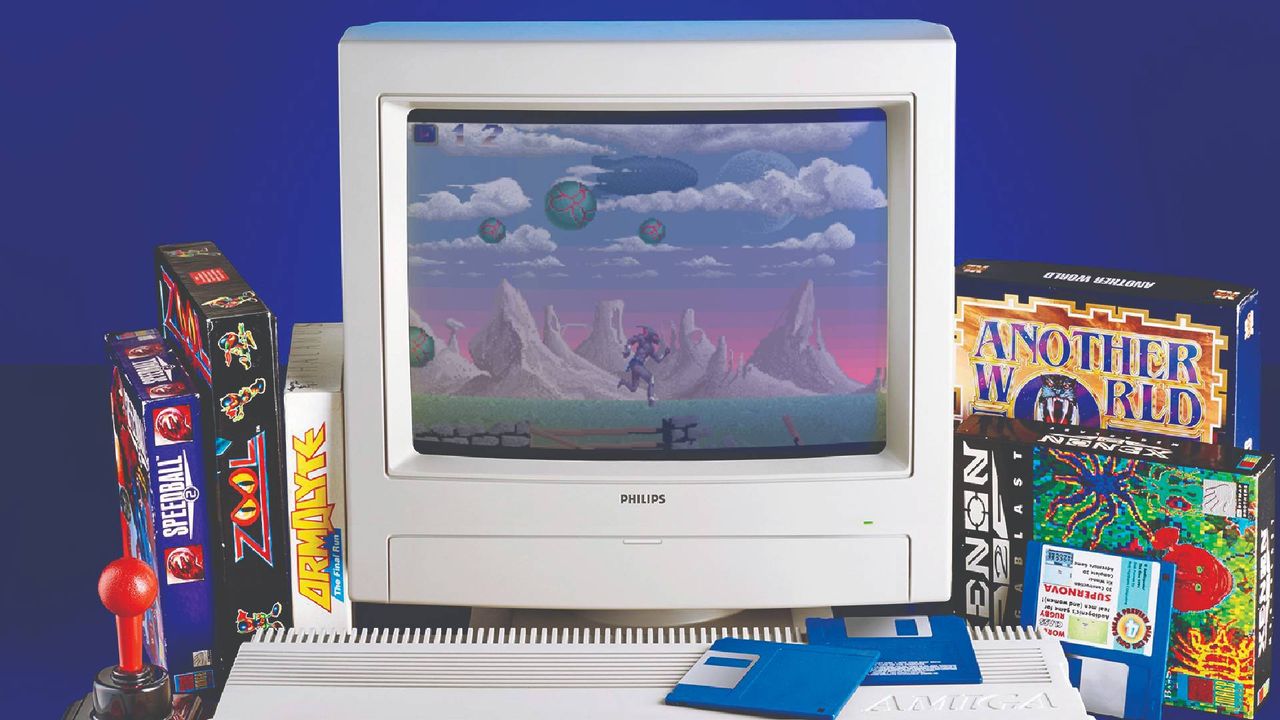
The Commodore 64 Ultimate marked the return of the legendary microcomputer brand, but resurrecting the Amiga is an entirely different ritual. It involves making sense of the now fragmented IPs that were grabbed by multiple parties in the '90s following the company's demise. However, we're now one step closer to seeing a proper FPGA comeback thanks to "landmark agreements."
Cheap microcomputing thrills
If you're not fussed about hardware accuracy and legal shenanigans and just want to revisit your Commodore roots, you can do just that with the C64 mini for $69.99 or the upcoming A1200 for $189.99 if you'd prefer a full system with a keyboard that embraces the original's desktop capabilities.
In a report by Amiga-news, the publication delves into two Amiga deals between Commodore International, the IP holding Amiga Corporation, and Hyperion, the developers of AmigaOS 4 & 4.2 Codebase (thanks, Time Extension). The first agreement draws up a licensing framework that respects the rights of both the new FPGA microcomputer maker and the latter trademark holder, whereas the second resolves a dispute that's been ongoing since 2009.
In a statement, the Amiga Corporation confirms that it recognises Commodore International's ownership while providing some context:
"Following the 1996 liquidation of Escom, one of Amiga's predecessors in interest, the "Commodore" and "C=" trademarks took a separate path from the other assets. Tulip Computers acquired the trademarks and used them for Commodore-branded PCs. Subsequent transfers brought the trademarks to the present Commodore company. In the agreement, Amiga recognizes this ownership. The copyrights in the historical software, documentation, and other Commodore and Amiga works remained in the chain of title now continued by Amiga. Under the same agreement, Amiga licenses CBM 8-bit software and documentation to Commodore for use in its products.
Amiga retains the right to use and reproduce the Commodore marks in historical and descriptive contexts, including as they appear in original software, documentation, notices, keyboard symbols, on-screen texts, and other content."
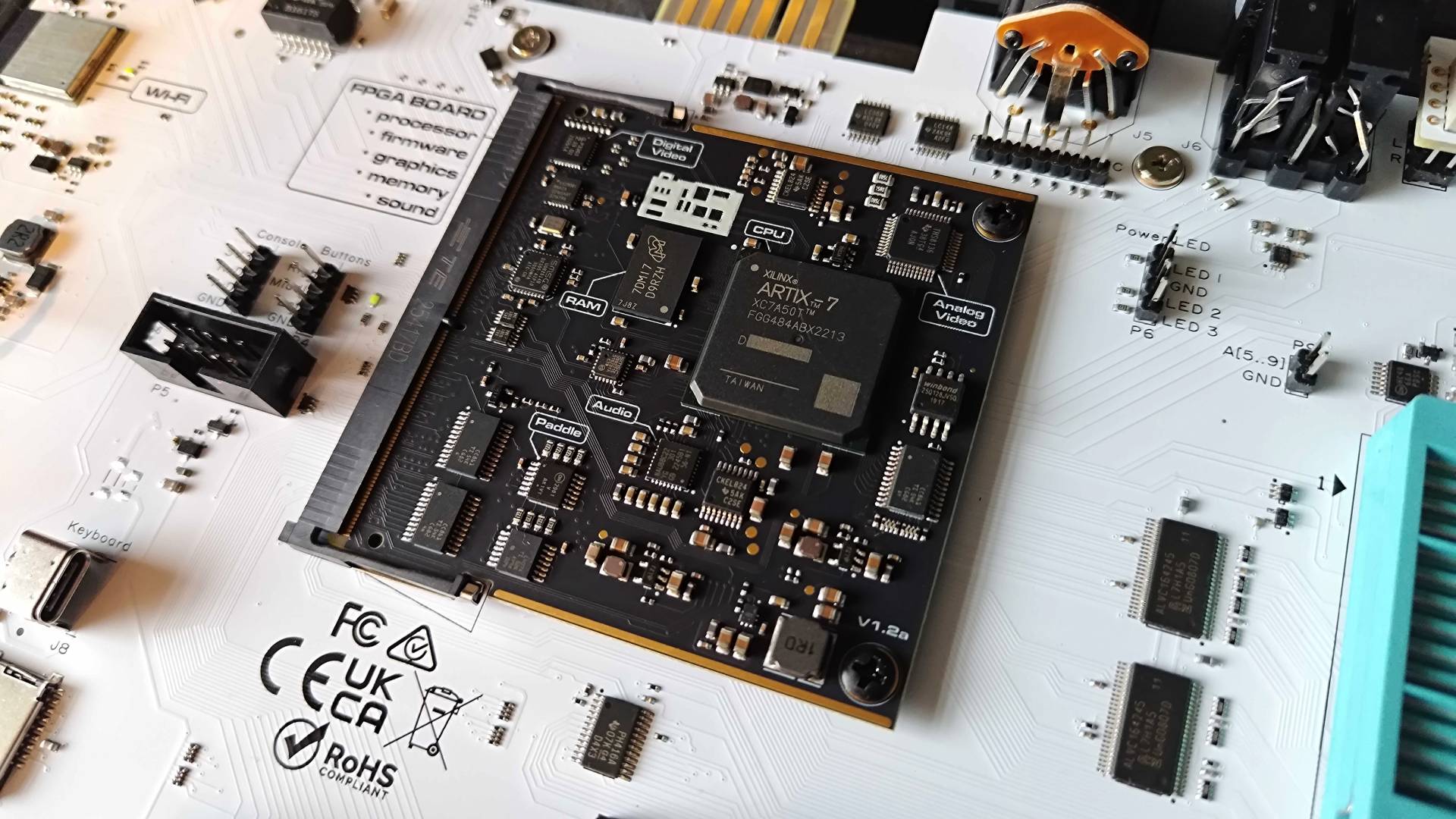
Simply put, there's now a licensing agreement in place between Commodore and the Amiga Corporation for software and documentation. This helps remove barriers to the resurrected microcomputer maker creating a modern version of the hardware, but the additional Hyperion deal contributes to those efforts.
The Amiga Corporation says, "Hyperion Entertainment will continue to develop and distribute AmigaOS 4 under license from Amiga. The rights in the independently developed AmigaOS 4 code have never been disputed, and the new agreement preserves that position while clearly defining the Amiga software and trademarks licensed for continued AmigaOS 4 development and commercialization."
I get it, you want to know if you're getting a Commodore Amiga Ultimate now that these licensing deals are in place. The short answer is no, not immediately, but the path is now clearer should CEO Christian Simpson (Perri Fractic) decide to branch out into more complex remakes using FPGA tech.
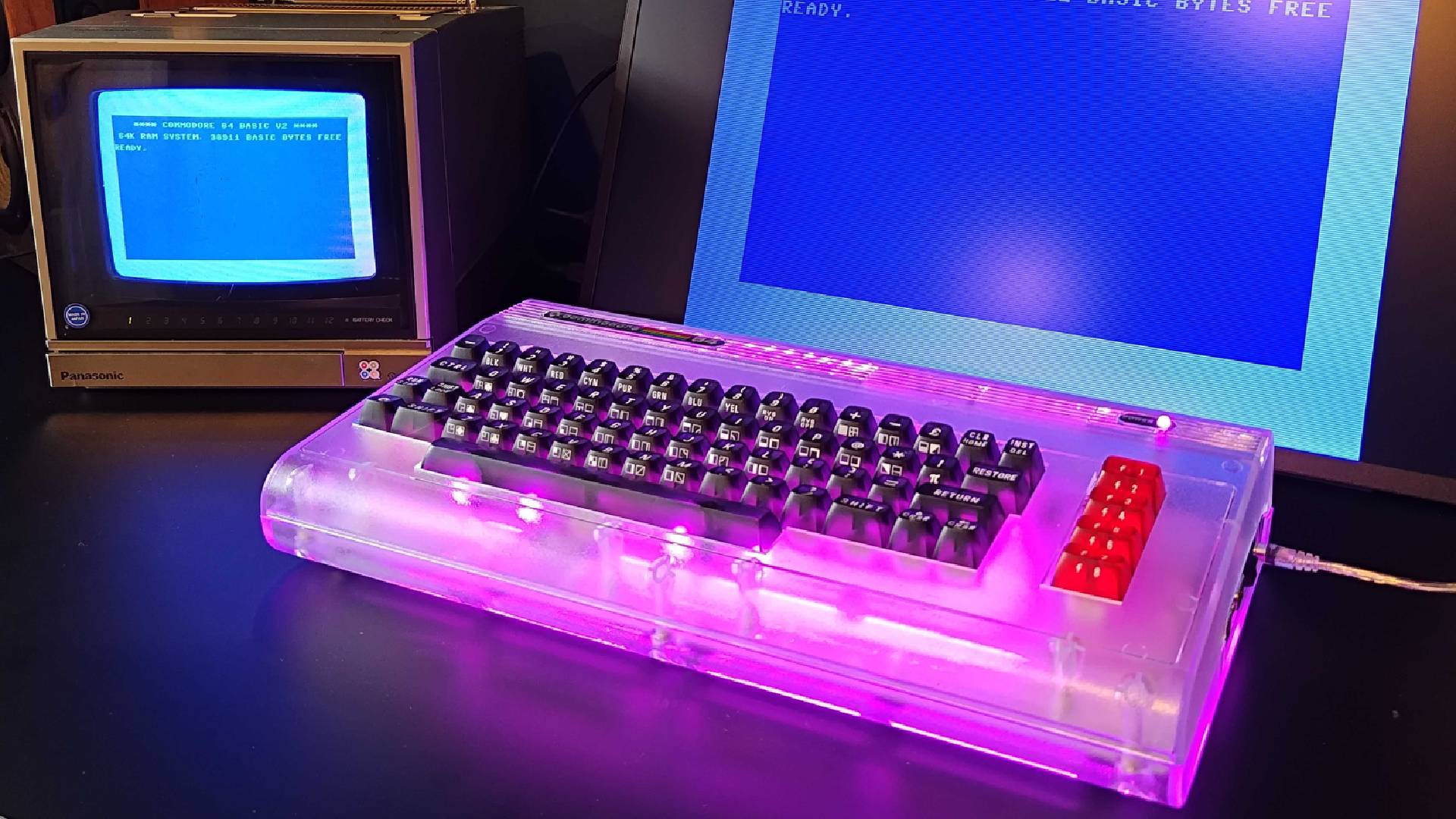
According to the Amiga corporation, "the principal rights and assets of the Commodore and Amiga eras rest with Amiga." The licensing agreement means Commodore International isn't barred use, and the former party positively proclaims that "Forty-two years later, the circle is closing."
The big questions now are whether Commodore International can make an Amiga Ultimate that doesn't fall victim to RAMageddon, especially with added licensing costs, and whether it would want to. Keep in mind we already have an emulation-based Amiga A1200 remake on the way by Retro Games Ltd, as the retro console maker previously bypassed Hyperion to get around roadblocks.
Once THEA1200 is out in the wild, it may prompt Commodore to consider its own take on the Amiga with elevated FPGA hardware accuracy. For now, though, the company seems focused on getting its C64C Ultimate into the hands of enthusiasts while using its controversial Callback 8020 flip phone to explore new ways to grow its business.
Swing by the best retro handhelds if you'd rather emulate C64 and Amiga classics on the go.