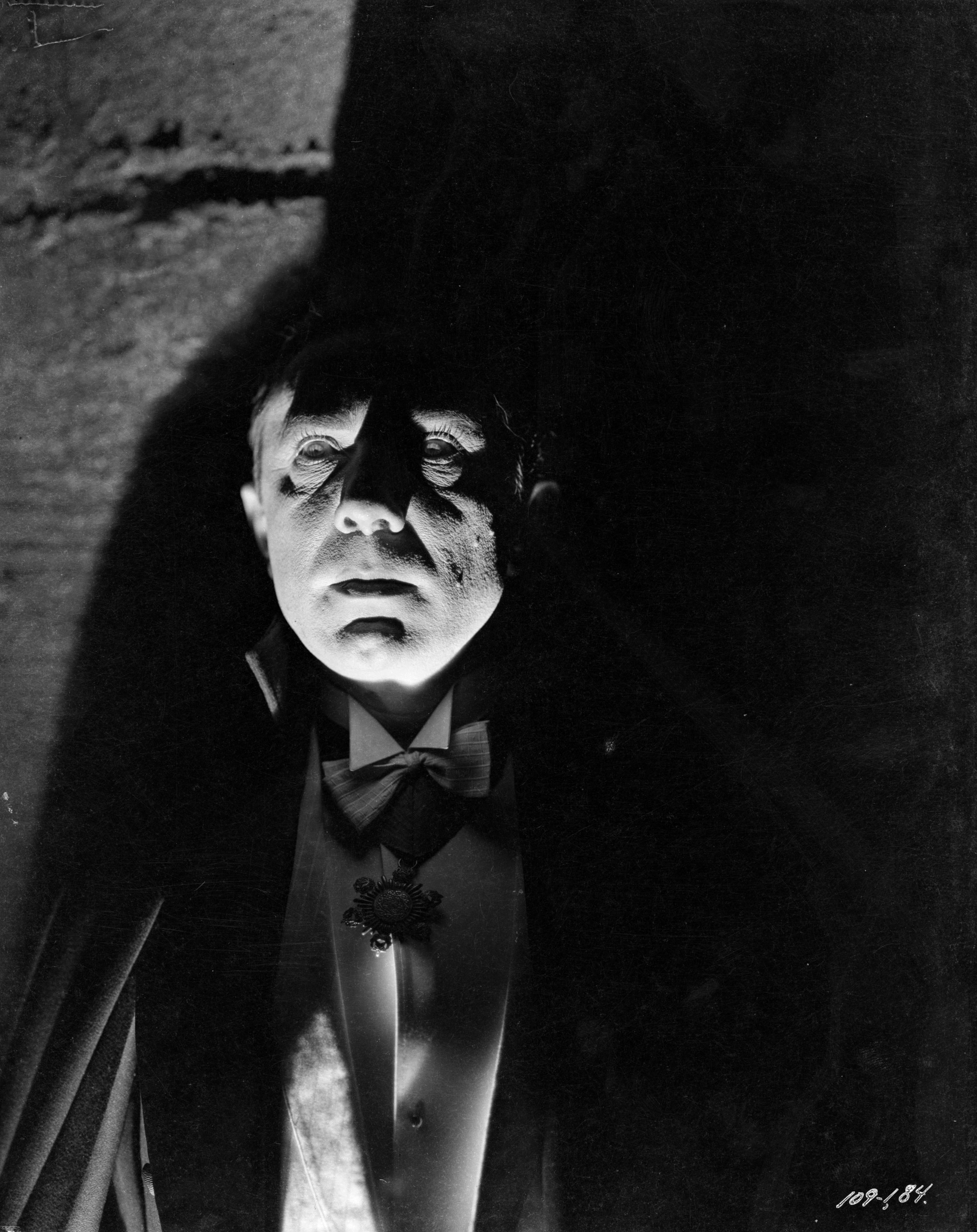
On Valentine’s Day in 1931, the hottest date was easily the just-released Universal Studios movie, Dracula. Starring Bela Lugosi in the titular role, Dracula recontextualized the literary character for modern audiences, redefined the notion of the vampire as an anti-hero, and, along with Frankenstein in the autumn of the same year, firmly established what we think of as “Universal Monsters” forever.
But Dracula did all of that with one cinematic hand tied behind its back. Despite its impressive scope and budget for its time, Dracula did not have an original film score in 1931, meaning that when it was released, only the opening titles contained music, and that music wasn’t even composed for the film. (It was a selection from Swan Lake, which the 1932 version of The Mummy later reused as well.) So, despite being the first “talkie” motion picture adaptation of the 1897 Bram Stoker novel, Dracula lacks a musical score. Here’s why it was amazing anyway, and why the 1998 retroactive 1998 score from Philip Glass is essential for any serious fan.