American grocery shelves carry items that raise no alarms here but spark strict prohibitions elsewhere. Foods banned overseas often end up on regulatory blacklists due to additives, colorants, or production methods deemed unsafe or unnecessary. These bans offer a window into how different countries judge risk, purity, and public health. The contrast can feel stark. And it raises a simple question: what do foreign regulators see that American shoppers rarely get told?

1. Kraft Macaroni & Cheese
Kraft’s iconic boxed macaroni sits in millions of American pantries. Several countries, however, restrict versions containing Yellow No. 5 and Yellow No. 6. These synthetic dyes create that familiar orange glow. Regulators overseas reject them outright, citing concerns tied to hyperactivity and long-term consumption. The U.S. allows them, and manufacturers here lean on them for visual consistency.
Shoppers in places where these dyes are banned encounter brighter alternatives—naturally colored versions made with paprika or turmeric. Those options cost slightly more but avoid the regulatory scrutiny that trails synthetic dyes. It serves as a reminder that foods banned overseas often remain common here because our standards differ.
2. Farmed Salmon
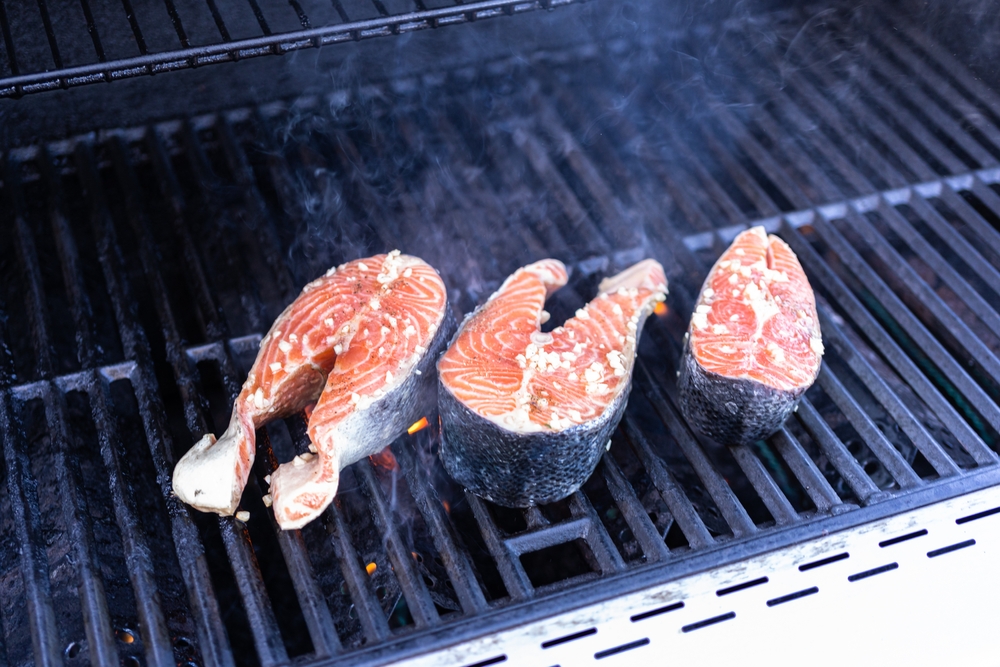
Farmed salmon sold in the U.S. often contains artificial colorants designed to mimic the natural pink found in wild fish. Some countries have banned imports of farmed salmon treated with these additives, particularly when the feed includes residues of chemicals linked to potential health concerns. Those decisions reflect scrutiny not just of the fish but of the system that produces them.
The contrast highlights how heavily some regulators weigh cumulative exposure. When substances accumulate in feed, they accumulate in the fish. Foods banned overseas on those grounds sometimes slip through American regulations more easily.
3. Mountain Dew
Mountain Dew’s signature neon color once relied on brominated vegetable oil. Several countries banned products containing it. The issue centered on bromine, which in high doses can accumulate in body fat. U.S. sodas used the additive for decades because it kept citrus flavor evenly suspended.
Public pressure eventually pushed American beverage companies to phase it out, but the drink’s long run with the ingredient illustrates a familiar pattern: a product can remain legal here long after other nations shut it out.
4. Skittles
Skittles faced bans or restrictions overseas when they contained titanium dioxide, an ingredient used to brighten the candy’s surface. Some regulators view the additive as a potential health risk due to concerns about nanoparticle accumulation. The U.S. still approves it for food use.
The decision underscores how shifting scientific debates shape consumer environments. When a country bans an additive, manufacturers simply reformulate. In the U.S., the brighter, shinier version stays.
5. Chlorine-Washed Chicken
American poultry producers often wash chicken in chlorine solutions to reduce bacteria. Many countries refuse to import it. The objection stems from differing interpretations of hygiene and animal welfare. Some regulators argue that chemical rinses can mask poor conditions earlier in the production chain.
The U.S. approach prioritizes the final wash. Abroad, the focus lands on the entire life cycle of the bird. Foods banned overseas for these systemic concerns reflect broader philosophies, not just safety calculations.
6. Little Debbie Swiss Rolls
Foods containing certain synthetic dyes and emulsifiers, including some snack cakes, face restrictions in the European Union and other regions. Little Debbie Swiss Rolls appear on those lists because of Yellow No. 5 and Red No. 40. The U.S. permits both dyes widely.
It is not the cake that triggers bans but the cocktail of additives. When governments reject the dyes, the products that rely on them follow. This pattern shows how foods banned overseas often achieve their iconic status here precisely because their formulas never had to change.
7. Ractopamine-Treated Pork
Ractopamine, a feed additive used to promote leanness in pigs, is banned in many countries. Pork from animals treated with the substance rarely enters foreign markets with strict residue limits. The U.S. continues to approve its use in domestic production.
Consumers overseas may never see pork raised with ractopamine, while American shoppers buy it without labels that point out the difference. Regulatory systems diverge, and those divergences shape entire supply chains.
8. Gatorade (Certain Formulas)
Older Gatorade formulas contained brominated vegetable oil, the same additive once found in Mountain Dew. Countries that banned BVO automatically prohibited the beverages that used it. American versions have since been reformulated, but the bans overseas came earlier.
The episode shows how slowly some changes arrive in the U.S. market. Foods banned overseas can linger on American store shelves long enough to become routine, even when the ingredients tied to the bans eventually phase out.
What These Contrasts Say About Global Food Standards
Foods banned overseas draw attention to the invisible lines regulators draw when weighing risk, industrial convenience, and consumer trust. Those lines differ widely. And the differences shape what ends up on our plates. When an ingredient faces bans abroad but remains common here, the gap says as much about regulatory culture as it does about science.
These contrasts do not need to spark alarm, but they do demand attention. Knowing why other countries block items that move freely in U.S. stores opens a clearer view into how food safety decisions work—and how they could change. Which of these bans surprises you most?
What to Read Next…
- 10 Grocery Products Banned In Other Countries But Sold Locally
- 10 Ingredients Banned In Europe But Still In American Foods
- Why Some Store Bought Cheeses Are Treated With Mold Inhibitors Banned In Other Countries
- 6 Snack Foods With Ingredients Banned Overseas
- The Secret Ingredient In Your Favorite Snack That’s Banned In Other Countries
The post 8 Popular American Foods That Are Banned Overseas—and the Reasons Why appeared first on Grocery Coupon Guide.