
Summer heat can turn even the nicest backyard into a place nobody wants to spend time. Patios bake in the sun, grass dries out, and outdoor gatherings often end with everyone searching for the nearest patch of shade. Fortunately, nature offers a surprisingly effective solution that looks great while helping lower temperatures around the yard.
The right plants can transform a sweltering backyard into a refreshing retreat. Here are eight standout choices that quietly help cool things down while making outdoor spaces more inviting.
1. Red Maple
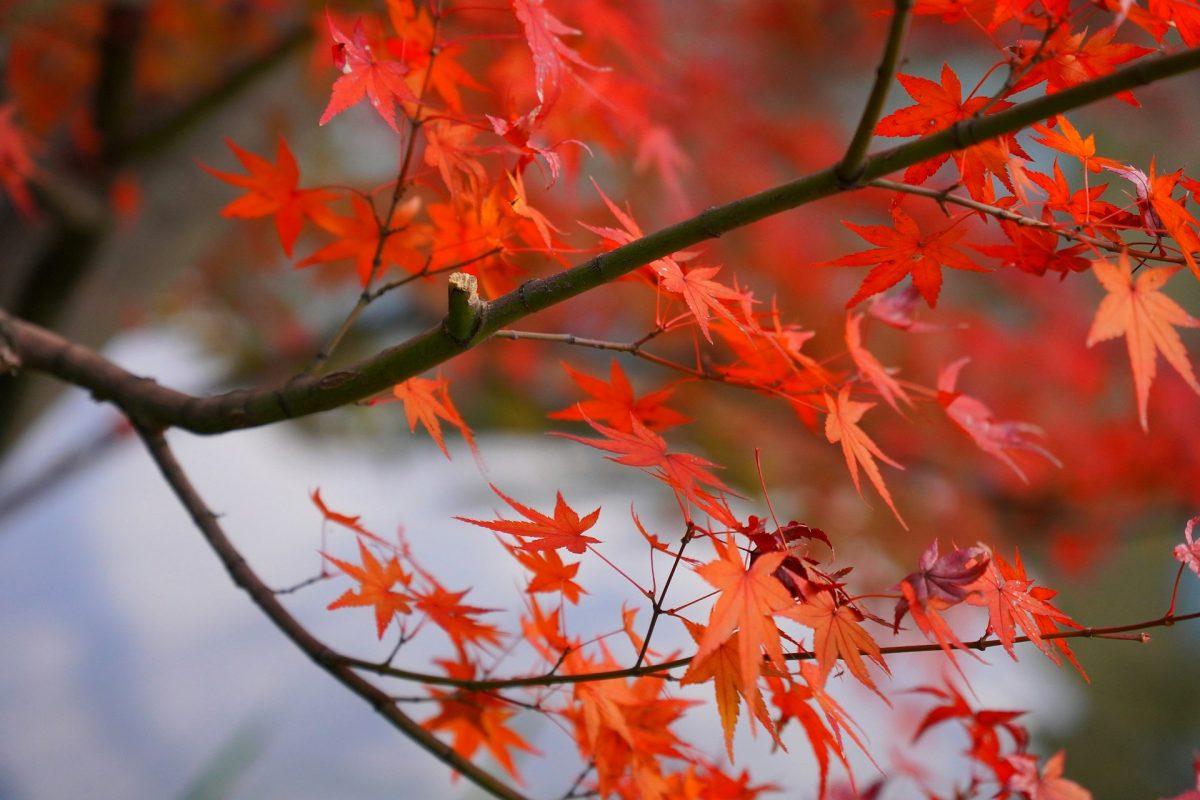
A mature red maple earns its place as one of the best natural cooling plants for residential landscapes. Its broad canopy creates a generous area of shade that protects patios, lawns, and seating areas from direct sunlight. That shade alone can dramatically reduce surface temperatures during the afternoon. Homeowners often notice that areas beneath established maples feel noticeably more pleasant on hot days.
Beyond shade, red maples contribute cooling through moisture release from their leaves. Thousands of leaves work together to create a microclimate that feels fresher than the surrounding exposed areas. These trees also add stunning seasonal color, making them a practical and attractive long-term investment. With proper placement, a red maple can serve as the centerpiece of a naturally cooler backyard.
2. River Birch
River birch trees offer fast growth and exceptional summer shade. Their distinctive peeling bark adds visual interest throughout the year, but their cooling benefits steal the show during warm weather. The dense canopy helps block sunlight before it reaches the ground, preventing excessive heat buildup. Many landscapers recommend river birch for yards that need quick relief from intense sun exposure.
The tree’s leaves actively release moisture into the surrounding air, creating a subtle cooling effect. Unlike some large trees that struggle in wet conditions, river birches tolerate moisture well and adapt to various soil types. Their graceful appearance softens outdoor spaces while making them more comfortable. For homeowners seeking both beauty and function, river birch delivers on both fronts.
3. Hostas
Hostas may not tower over the landscape, but their oversized leaves make a surprising difference in shaded garden areas. These leafy perennials create a lush, layered look that helps cool the soil beneath them. Exposed soil absorbs heat quickly, but hostas provide a protective living blanket that keeps temperatures lower. Garden beds filled with hostas often stay cooler and retain moisture longer than bare planting areas.
The broad foliage also contributes to humidity and cooling through transpiration. While the effect remains localized, it helps create refreshing garden corners that feel pleasant during summer afternoons. Hostas come in countless sizes and colors, making them easy to fit into almost any landscape design. Their low-maintenance nature only adds to their appeal.
4. Southern Magnolia
Southern magnolias combine elegance with serious cooling power. Their large, glossy leaves create dense shade that limits heat penetration beneath the tree. Outdoor furniture, pathways, and lawns positioned near a mature magnolia often stay significantly cooler throughout the day. That cooling effect becomes especially valuable during heat waves.
The thick evergreen canopy provides benefits beyond summer as well. Since the tree keeps its leaves year-round, it continues to offer protection and visual interest during every season. Magnolias also produce beautiful fragrant flowers that attract attention from neighbors and pollinators alike. Few landscape trees offer such an impressive combination of beauty and practical comfort.
5. Climbing Vines on Trellises
Climbing vines offer a clever way to cool small backyards where space limits tree planting options. Plants such as Virginia creeper, trumpet vine, and climbing hydrangea can cover pergolas, fences, and trellises with dense greenery. Once established, they create living shade structures that block direct sunlight from patios and seating areas. The difference can feel dramatic on a scorching afternoon.
Unlike hardscape materials that absorb and radiate heat, leafy vines help reduce surrounding temperatures. Their foliage creates shade while releasing moisture into the air. Many homeowners use vine-covered pergolas to create outdoor rooms that remain comfortable even during peak summer heat. The added privacy and visual charm make these structures even more appealing.
6. Bamboo
Certain non-invasive bamboo varieties grow rapidly and create dense green screens that help cool outdoor spaces. Their tall stems and abundant leaves provide shade while allowing gentle air movement. This combination creates a breezy atmosphere that feels far more comfortable than exposed areas. Bamboo also works exceptionally well as a privacy barrier.
The large number of leaves contributes significantly to transpiration, enhancing the cooling effect. Garden designers often use bamboo near patios, decks, and outdoor gathering spaces for this reason. Proper variety selection remains important because some bamboo species spread aggressively. Clumping varieties typically provide the best balance between beauty, control, and cooling performance.
7. Oak Trees
Oak trees rank among the most effective shade providers in residential landscapes. Mature specimens develop massive canopies that cast extensive shade over lawns, driveways, and outdoor living areas. Studies consistently show that shaded surfaces remain dramatically cooler than those exposed to direct sunlight. An established oak can completely transform the comfort level of a backyard.
These trees also support wildlife while improving overall landscape value. Their longevity means homeowners often enjoy decades of cooling benefits from a single planting. Although oaks require patience because they grow more slowly than some alternatives, the payoff proves worthwhile. Few trees match their combination of durability, beauty, and cooling capacity.
8. Elephant Ears
Elephant ears bring a tropical look and surprisingly effective cooling qualities to gardens. Their enormous leaves create shade at ground level while helping lower soil temperatures. The dramatic foliage adds immediate visual impact and works especially well around patios, water features, and seating areas. Even a small grouping can change the feel of a landscape.
The plant’s large leaf surface area encourages substantial moisture release into the air. This process helps create a cooler microenvironment around the planting area. Gardeners in warmer regions often use elephant ears to soften harsh summer conditions while adding bold texture. Their exotic appearance makes them a favorite conversation starter as well.
Turn Your Landscape Into a Natural Cooling System
The secret to a cooler backyard does not always involve expensive shade structures, misting systems, or outdoor fans. Strategic plant selection can provide natural cooling through shade and moisture release while making the landscape more attractive. Trees deliver the greatest impact, but smaller plants and vines also play valuable supporting roles.
Combining several of these plants often produces the best results. A shade tree overhead, hostas below, and vines along a pergola can work together to create a backyard that feels dramatically more comfortable during summer. The result looks beautiful, supports local wildlife, and helps outdoor spaces stay enjoyable even when temperatures climb.
What plants have made the biggest difference in keeping your backyard cool during the summer months?
You May Also Like…
The Summer Gardening Mistake That Kills More Plants Than Heat
The Dollar Store Gardening Finds That Actually Work
Grow Your Own Medicine Cabinet: Affordable Herbs to Plant This Summer
6 Resilient Picks That Handle Temperature Swings
8 Flowers That Thrive During Triple-Digit Heat Waves
The post 8 Plants That Secretly Make Your Backyard Feel 10 Degrees Cooler appeared first on Frugal Gardening.