
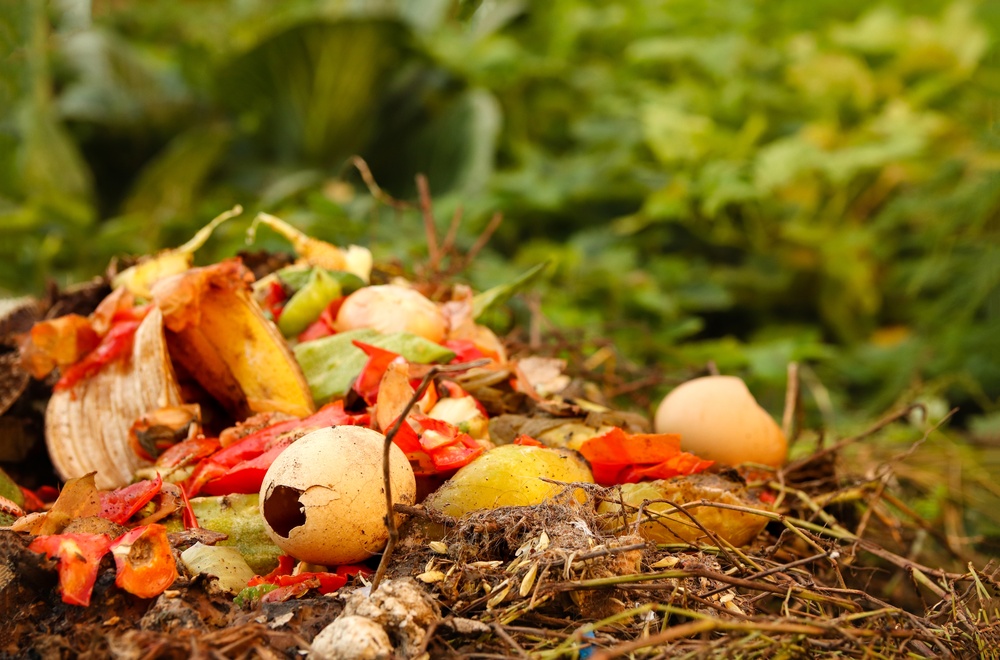
Open the average kitchen trash can and you may find the beginnings of next year’s garden soil hiding among the garbage. Fruit peels, vegetable trimmings, coffee grounds, eggshells, and several other everyday scraps are perfectly suited to backyard composting, where microorganisms eventually transform them into a useful soil amendment. The Environmental Protection Agency says home composting can reduce household waste while producing compost that builds healthier soil, improves water retention, and slowly releases nutrients. The problem is that not everything biodegradable belongs in a typical backyard pile, and adding the wrong leftovers can attract animals or create an unpleasant mess. Here are eight kitchen scraps worth saving—and five you should generally keep out of your home compost.

1. Fruit Scraps Belong in the Pile
Apple cores, banana peels, melon rinds, strawberry tops, and other fruit scraps are classic “green” materials that supply nitrogen to a compost pile. The EPA specifically includes fruit scraps among the materials appropriate for backyard composting, making this an easy place to start if you’re currently throwing all of your produce trimmings away. Chop larger or tougher pieces into smaller chunks when practical because increased surface area helps microorganisms break them down faster. Bury fresh scraps beneath several inches of leaves or another carbon-rich material instead of leaving yesterday’s banana peel sitting exposed on top. That simple habit helps discourage flies and animals while keeping the pile looking considerably less like an outdoor garbage can.
2. Vegetable Trimmings Are Compost Gold
Carrot peelings, broccoli stalks, lettuce leaves, potato peels, pepper tops, and other raw vegetable scraps can all become compost rather than trash. According to the EPA’s home composting guidance, fruit and vegetable scraps are nitrogen-rich “greens” that should be balanced with carbon-rich “browns” such as dry leaves and shredded paper. The agency recommends adding roughly two to three times the volume of browns as greens rather than filling the bin almost entirely with food waste. That balance helps maintain airflow, manage excess moisture, and give decomposing organisms the carbon and nitrogen they need. If your compost pile smells terrible, too many wet kitchen scraps and too few browns are among the first things worth checking.
3. Coffee Grounds and Paper Filters Can Go In
Coffee drinkers can generate a surprisingly steady supply of compost material without changing their morning routine. The EPA lists coffee grounds and paper filters among nitrogen-rich materials appropriate for a backyard pile, while Oregon State University also includes coffee grounds among high-nitrogen compost ingredients. Don’t confuse used grounds with an unlimited miracle fertilizer that should be dumped directly around every garden plant, however. Adding them as one ingredient in a varied compost pile is a more sensible way to recycle them. A household brewing coffee daily could divert hundreds of filters and batches of grounds from the trash over the course of a year.
4. Crushed Eggshells Are Fine to Add
Eggshells are another common kitchen scrap that the EPA specifically approves for home compost piles. Crushing them before adding them increases their surface area, although don’t be surprised if recognizable shell fragments remain when much of the rest of your compost looks finished. The EPA notes that unfinished eggshell pieces can simply be sifted out and returned to the active pile for another round of decomposition. You don’t need to obsessively grind every shell into powder to make backyard composting work. Just remember that the shell gets a green light while other egg-containing foods may require more caution because fats and cooked ingredients can create different problems.
5. Plain Bread Can Be Compostable in Moderation
Bread and grains don’t always appear on the shortest compost lists, but they can be composted in a properly managed home system. University of Minnesota Extension includes bread among some kitchen wastes that can be composted, while older EPA backyard-compost guidance also includes bread and grains among acceptable ingredients. The practical issue is that bread can attract rodents and other animals if large quantities are tossed onto the exposed surface. Tear small amounts into pieces, bury them well inside an active pile, and balance them with plenty of browns rather than emptying an entire stale loaf on top. If rodents are already a persistent problem around your compost, skipping bread may be the easier choice.
6. Paper Tea Bags Can Go In—With a Catch
Tea leaves themselves are compostable, and the EPA allows paper tea bags as long as staples are removed. The word “paper” matters because some modern tea bags contain plastic or other synthetic material that won’t break down like ordinary plant fiber. If you aren’t sure what the bag is made from, tear it open and compost the tea leaves while discarding the questionable bag. Loose-leaf tea makes the decision even easier because there is no wrapper to investigate. This tiny detail illustrates an important composting rule: food may decompose naturally while the packaging attached to it does not.
7. Nut Shells Can Become a Brown Ingredient
Those shells left after cracking certain nuts don’t necessarily need to go straight into the garbage. EPA composting guidance includes nut shells among acceptable compost materials, although hard shells can understandably take much longer to break down than a lettuce leaf or banana peel. Crushing them into smaller pieces can help, and stubborn pieces can be screened from finished compost and returned to the pile. One major exception is material from black walnut trees, which the EPA advises against adding because substances produced by black walnut can be harmful to some plants. Know what you’re composting rather than assuming every natural-looking kitchen scrap behaves identically.
8. Small Amounts of Plain Cooked Vegetables Can Work
Cooked food is more complicated than raw produce, but the EPA says small amounts can be added to a backyard compost pile. A plain steamed carrot is very different from a casserole loaded with cheese, butter, meat, and cooking oil, so look at the ingredients rather than simply asking whether something was cooked. When leftovers contain substantial dairy, grease, meat, or fish, they move into the category that’s better kept out of a conventional home pile. Bury acceptable scraps beneath four to eight inches of dry leaves or other browns, which is the EPA’s recommendation for covering food scraps. Thoughtful backyard composting means evaluating what’s actually in a leftover dish before dumping the entire plate into the bin.
Don’t Put These in Your Compost
1. Don’t Compost Meat, Fish, or Bones at Home
Chicken scraps, steak trimmings, fish skin, and bones may eventually decompose, but that doesn’t make them good additions to an ordinary backyard compost pile. The EPA advises home composters to avoid meat, fish, and bones because they can attract animals and because typical backyard piles may not achieve conditions needed to process these materials effectively. They can also create odor problems that quickly make a compost pile unpopular with everyone living nearby. Some commercial composting operations are specifically designed to handle materials that a household system cannot, so local collection rules may be different. When we’re talking about a conventional pile behind the house, however, meat belongs on the “don’t” list.
2. Keep Dairy Products Out
Milk, cheese, sour cream, yogurt, butter, and similar dairy products aren’t recommended for the typical backyard pile. The EPA warns that dairy can attract animals, and home composting systems generally don’t reach temperatures high enough to fully break down some of these problematic materials. A forgotten strawberry top is unlikely to create the same pest attraction as a chunk of cheese sitting in an open compost bin. If you participate in municipal food-waste collection, check its rules because commercial systems may accept dairy even though backyard guidance says to avoid it. That distinction is why advice saying “dairy can be composted” and advice saying “don’t compost dairy” can both be correct depending on the system being discussed.
3. Fats, Oils, and Grease Should Stay Out
Cooking oil, bacon grease, lard, and other fats are poor ingredients for an ordinary home compost pile. The EPA says fats, oils, and grease can attract animals, and excessive oily material can interfere with the balanced, oxygen-rich environment composting organisms need. Pouring used frying oil into a pile isn’t equivalent to adding a bucket of vegetable peelings simply because both started in the kitchen. Large amounts of grease can also create odors and coat other compost materials rather than breaking down cleanly. Dispose of cooking fats according to local guidance instead of using the compost bin as a convenient dumping spot.
4. Skip Greasy, Heavily Mixed Leftovers
Pizza toppings, creamy casseroles, oily takeout, and similar leftovers contain combinations of ingredients that make them poor choices for most backyard piles. The EPA allows small amounts of cooked food but flags meat, dairy, fats, oils, and grease individually as materials to avoid, so a meal containing several of them isn’t suddenly compost-friendly because it also contains vegetables. Scrape plain vegetable portions separately when practical and dispose of the rest appropriately. This is also a good reason to avoid treating backyard composting as a substitute garbage disposal for everything left after dinner. A selective pile is usually easier to manage than one constantly attracting wildlife and producing unpleasant odors.
5. Produce Stickers Definitely Don’t Belong
The final “don’t” is tiny enough that many gardeners accidentally add it every week. Produce stickers don’t break down into garden soil, and the EPA specifically identifies them as something that should stay out of home compost. Peel stickers from banana skins, avocado peels, apple cores, and other produce before those scraps go into your collection container. The same principle applies to other contamination such as plastic packaging, synthetic wrappers, and noncompostable materials attached to otherwise compostable food. You’ll eventually spread finished compost around plants, so removing trash before it enters the pile is much easier than picking tiny pieces of plastic out afterward.
A Better Compost Pile Starts in the Kitchen
Successful backyard composting isn’t about sending every remotely organic object into one giant pile. Start with reliable kitchen materials such as fruit and vegetable scraps, coffee grounds, paper filters, eggshells, appropriate tea bags, and other suitable plant-based waste, then balance those greens with plenty of dry carbon-rich material. The EPA recommends two to three times as much brown material by volume as green material, along with adequate moisture and oxygen, and describes ideal pile moisture as similar to a wrung-out sponge. A well-maintained pile can produce finished compost in roughly three to five months, while a largely ignored pile may take a year, so a little management can substantially accelerate your free soil amendment.
What’s the kitchen scrap you throw away most often that you could start composting instead? Tell us in the comments.
What to Read Next
Tomato Blight? Don’t Put These Plants in the Compost Pile
Powdery Mildew Is Everywhere This Fall — Can Those Leaves Go in Compost?
7 Garden Problems You Don’t Want Surviving in Next Year’s Compost
The post 8 Kitchen Scraps That Actually Belong in the Compost — And 5 That Don’t appeared first on Frugal Gardening.