Get all your news in one place.
100's of premium titles.
One app.
Start reading
Homes & Gardens
Homes & Gardens
Drew Swainston

7 Plants to Propagate in June While Growth Is Strong and Cuttings Are Most Likely to Succeed

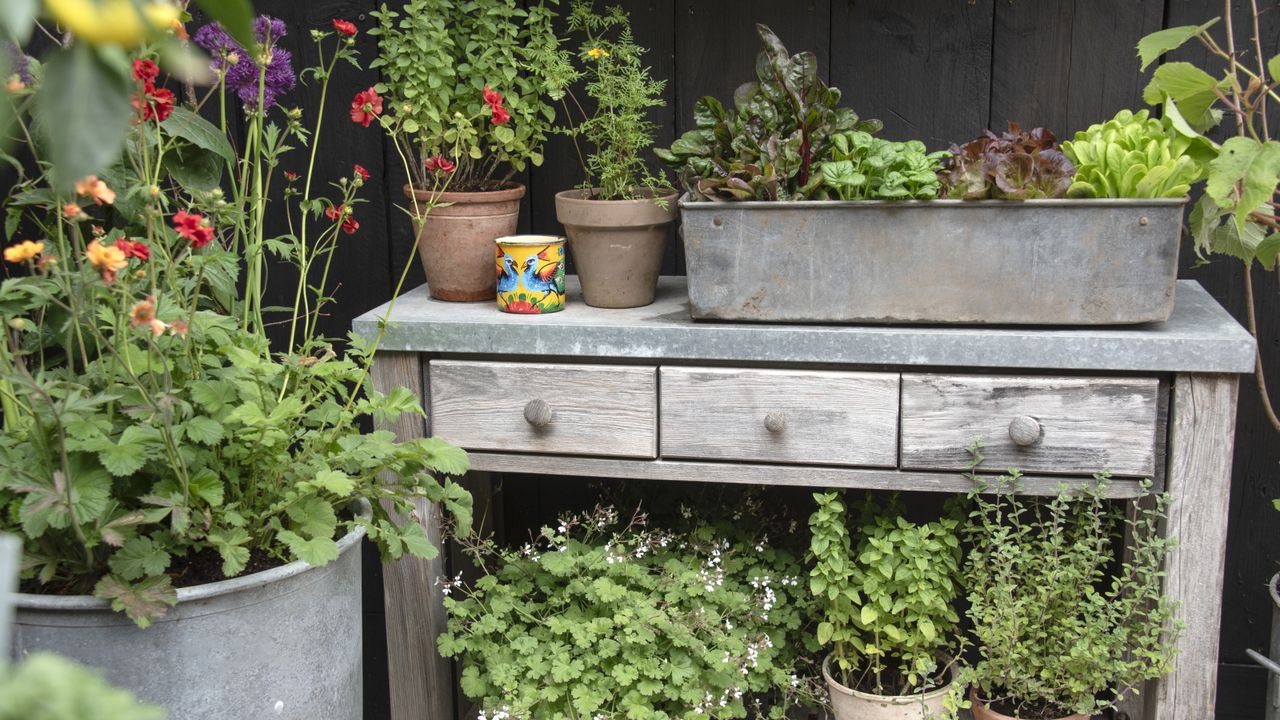
A balcony garden with a wooden table surrounded by vegetables, herbs, and flowers growing in pots.

Early summer is a perfect opportunity to expand your plant collection. Plants are in prime growing mode in June, so cuttings reliably root quickly. As growing from cuttings is fun and budget-friendly, there is no better time to try, and there is a wide variety of potential plants to propagate in June.

There are shrubs, perennials, climbers, vegetables, and herbs suitable for cuttings this month. Most plants will establish this season and be ready to be planted out next spring, but some on this list offer more immediate rewards than others. Either way, you get lots of new plants for free to add to your backyard flower beds or kitchen garden.

If you are in the mood to get lots of new plants and enjoy the immense satisfaction that comes from taking plant cuttings and raising these new babies, here are seven candidates for plants to propagate in June, along with some tips to help you on your way.

Nepeta

(Image credit: Getty Images/AlpamayoPhoto )

There are so many wonderful reasons to grow catmint, or Nepeta, in your garden. Its attractive, and fragrant, silver-green foliage topped with purple blooms just looks fabulous, and it is low-maintenance and great for pollinators.

Plus, it is versatile, capable of thriving and serving looks in anything from cottage gardens to rock gardens. So taking cuttings to get more nepeta just makes sense.

Early summer is a perfect time to take catmint cuttings. Take 4-6-inch cuttings from healthy, non-flowering stems, and remove the lower sets of leaves. Dip the bottom of the cutting in rooting hormone before placing it into a small pot filled with potting soil.

This Bontone II rooting powder at Garden Goods Direct can be used for any type of cuttings to help speed up root development.

This pot wants to be kept in a bright spot, but not in direct sunlight. In ideal conditions, the cutting should root in a few weeks.

Salvia and Russian sage are similar plants to Nepeta in that they have silvery foliage, blue or purple flowers, and are regarded as drought-tolerant perennials. They are also both plants to propagate in June.

Buttonbush

(Image credit: Getty Images/passion4nature)

Buttonbush shrubs are unique native plants. Have one in your garden, and it will demand attention with its unusual spherical blooms that look like pincushions. While it usually draws plaudits for its looks, it is useful too, as those blooms are a beacon for bees, butterflies, and hummingbirds throughout summer.

If you have a wetter corner of the yard, such as a rain garden, growing buttonbush is ideal as it is often found in the wild in wetlands, bogs, or near the edges of ponds and streams.

In June, you can take 4-6-inch cuttings of soft stems at the end of branches. Use a pair of clean, sharp pruning shears, garden snips, or a knife to take cuttings and remove the lowest sets of leaves.

Dip it in rooting hormone, then put it into a small pot filled with well-draining potting mix. When kept somewhere warm and in indirect sunlight, the cutting should develop roots within a few weeks.

This pocket-sized garden tool sharpener, available at Amazon, can be used on any pruning tools with a straight blade to get them sharp ahead of trimming or taking cuttings.

Bee Balm

(Image credit: Alamy/ P Tomlins )

If you want to add more aromatic plants to attract wildlife to your garden, you can do a lot worse than taking cuttings from bee balm. To put it simply, these attractive native perennials are among the best plants for pollinators and guaranteed to attract bees, butterflies, and moths in droves to their tubular nectar-rich blooms.

All monarda varieties can be propagated from seed, cuttings, or division. Come early summer, taking cuttings is the best way to go. Your new plants will establish over the rest of this year, be ready to plant out next year, and then burst into a plethora of flowers the following summer.

Pick stems that are non-blooming and free from any signs of disease or pest damage to use as your propagation material. Remove the lower leaves, dip them in rooting hormone, then insert them into a well-draining potting mix, like this organic potting mix from Burpee.

The cutting wants to be kept moist, but not overwatered. To retain moisture and create a humid environment that helps with rooting, cover the pot with a clear lid or a plastic bag. Remove this once the roots have established, and pot up the cutting.

Clematis

(Image credit: Getty Images/seven75)

You can propagate clematis plants from cuttings in June. However, they are done a little bit differently from some others on this list. Whereas you use the tips of the shoots for most shrubs and perennials, for this flowering climber, you use the middle sections of vines as the propagation material – these are called internodal cuttings.

The key when you grow clematis is to find a strong stem around three feet long to take cuttings from. Within this, the tips of the vine will be too soft, while it’ll be too woody at the bottom. The sweet spot is in the middle, where the stem is flexible but not too firm.

Prepare it into 3-4-inch sections, cutting above a pair of leaves and also a few inches below that node and the next one down the stem. Dip the base of the cutting into rooting hormone and place it in a small pot filled with compost.

You can place up to five clematis cuttings around the edge of the four or five-inch pot – it is better to take several cuttings as fuchsias can be temperamental.

Cover the pot with a clear plastic bag and put it on a bright windowsill. Alternatively, using nursery pots with humidity domes, like these at Amazon, creates an ideal environment for cuttings to prosper.

Lavender

(Image credit: Mariia Demchenko / Moment / Getty Images)

Lavender remains one of the most treasured plants. For many years, homeowners have added it to their gardens for low-maintenance, drought-tolerant, fragrant foliage and flowers that can simply be enjoyed or used for culinary or medicinal uses.

Growing lavender also boosts local biodiversity, as pollinators and beneficial insects are attracted to the plants. That is all the more reason to add to your lavender collection, whether you place your plants in borders, containers, or use them as edging to create an elegant, fragrant garden path.

To propagate lavender, softwood cuttings can be taken in June from the current season’s shoots. Take 3-4-inch cuttings and remove the lower leaves – you will be left with a few inches of bare stem to go in the soil.

Dip the end in rooting hormone and place four or five cuttings into a small pot filled with well-draining potting mix. Water the container well and cover it with a clear bag or plastic lid.

You must use sharp pruning tools when trimming. A pair of garden snips, like these Fiskar pruning scissors at Amazon, is always a great option for making precise cuts when taking cuttings.

Tomato

(Image credit: sultancicekgil / iStock / Getty Images Plus / Getty Images)

Tomatoes are a crop that all gardeners love growing. Traditionally, you buy young plants or start your own tomato varieties from seed. However, there is a third way to start growing tomatoes – taking cuttings.

Once tomato plants are planted and growing, it is time to prune the tomatoes to remove the side shoots that grow between the main stem and the leaf branches. If any of these shoots reach six inches long, they can be snipped off and placed in a glass of water to produce roots.

This cutting will quickly develop shoots and can then be planted into pots to grow on. These new tomato plants will produce fruit later in the season, offering a handy way to extend your tomato harvests for little work or cost.

Basil

(Image credit: Neustockimages / iStock / Getty Images Plus / Getty Images)

For this one, you don’t even need to have a plant in your own garden. If you are growing basil at home, it helps. Otherwise, you can take cuttings from store-bought basil plants for new plants that offer fresh leaves for your cooking.

Growing basil from cuttings is made all the simpler by the fact that the aromatic herb is one of the simplest plants to root in water. Take 6-8-inch cuttings from healthy stems, ensuring there is at least one healthy node at the base after you trim.

Remove the lower leaves and place the cutting in a container filled with water. Place it on a bright windowsill and watch as the roots start to appear within a week.

If you get a stylish propagation station like this at Walmart, you can propagate different stems or plants in water at the same time and see how the roots develop.

Change the water every few days and put the cutting in a container filled with potting mix once the roots reach 1-2 inches long.

What to Shop

A pair of sharp pruning shears can be used for taking cuttings. This Japanese tool has a sharp blade made of high-grade blade steel and is perfect for the task.

This soil moisture meter can help you avoid watering mistakes, such as overwatering cuttings. Insert the probe into the soil, and it will tell you how wet it is.

This attractive, durable canvas garden apron has multiple pockets to carry your tools when out in the garden taking cuttings.

June is a great time to transform flower beds, borders, and backyard container displays. As the days get sunnier and the soil remains warm and moist, the conditions are ideal to add lots of plants to your garden. Our guide to what to plant in June reveals a long list of flowers and edibles you can plant this month to get your garden ready for summer.

If you love inspiring garden ideas, outdoor advice, and the latest news, why not sign up for our newsletter and get the latest features delivered straight to your inbox?

Bypass Pruners Soil Moisture Meter Canvas Garden Apron
Sign up to read this article
Read news from 100's of titles, curated specifically for you.
Already a member? Sign in here
Related Stories
Top stories on inkl right now
One subscription that gives you access to news from hundreds of sites
Already a member? Sign in here
Our Picks
Fourteen days free
Download the app
One app. One membership.
100+ trusted global sources.