Get all your news in one place.
100’s of premium titles.
One app.
Start reading
MyLifeXP
MyLifeXP
Noopur Kumari

6 Shocking Ways Rejection Destroys Your Mind

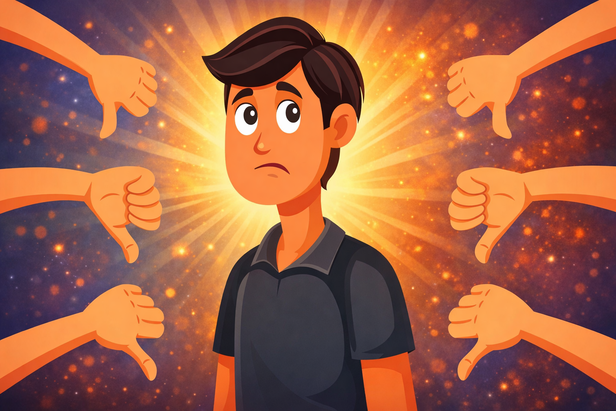
Rejection isn’t just a bruise to the ego it’s a shockwave to your brain and body. From job refusals to breakups, many of us underestimate how deeply rejection reshapes thoughts, emotions, and even health. Science shows it triggers the same neural pathways as physical pain, explaining why it can feel unbearable. This article uncovers 6 ways rejection affects your mental health and how to turn those painful hits into emotional strength. Whether you’ve been ghosted, overlooked, or judged, understanding this hidden impact will help you heal faster, think clearer, and reclaim control.

Rejection Activates Pain Centers in the Brain

Brain Scan Highlighting Pain Response
<p>Social rejection lights up the same areas as physical injury.</p>

Your brain treats rejection like physical injury. Studies show the anterior cingulate cortex, responsible for pain processing, becomes active during social rejection. That’s why a breakup or job denial can feel physically sharp, almost unbearable. The twist? Your mind exaggerates the threat, making temporary setbacks feel catastrophic. Understanding this neurological response helps you see that the pain is biological, not a personal flaw. Awareness is the first step toward reclaiming control.

Self-Esteem Takes a Direct Hit

Rejection attacks your sense of value. Psychologists note that even minor rejection can trigger self-doubt and internal criticism. People often overgeneralize, thinking, “If they rejected me, I must be unworthy.” This cognitive bias is a natural response but can spiral into chronic anxiety or depression. Recognizing it as an emotional reflex, not reality, allows you to detach and rebuild confidence. Example: a rejected candidate might initially feel worthless but reflecting on strengths can neutralize that blow.

Stress Hormones Spike

Stress Hormone Diagram
<p> Cortisol surges after rejection, affecting mood and focus.</p>

Rejection isn’t just emotional it’s biochemical. Cortisol, the stress hormone, spikes in response to social rejection, affecting sleep, concentration, and appetite. Chronic exposure can weaken immunity and amplify anxiety. The shocking fact? Your body can feel the stress of rejection before your mind even processes it. Actionable insight: mindfulness, breathing exercises, and short walks can regulate stress hormones and prevent long-term damage.

Isolation Amplifies the Pain

After rejection, many instinctively withdraw. But isolation intensifies the brain’s pain response, creating a feedback loop of loneliness and despair. Humans are wired for connection; distancing yourself compounds stress and self-doubt. Example: after a breakup, reaching out to supportive friends or communities can dampen the emotional intensity. Bold truth: the natural urge to hide is counterproductive connection is a powerful antidote.

Growth Lies Within the Pain

Sunrise Over Mountains
<p>Rejection can spark resilience, insight, and personal growth.</p>

Painful as it is, rejection offers hidden opportunities. Emotional reflection allows you to identify patterns, strengthen resilience, and clarify priorities. Mini story: a writer faced repeated rejections, each one motivating deeper learning and eventual success. Actionable steps: journal feelings, analyze lessons, and set small achievable goals. Contrary to common belief, rejection isn’t a verdict on your worth it’s a catalyst for transformation. Embrace it, learn from it, and emerge stronger.

Sunrise Over Mountains

Rejection feels unbearable because it hijacks your brain, emotions, and body. But understanding the hidden science behind it reveals a path to empowerment. Each “no” is an opportunity to grow, adapt, and reclaim confidence. Next time rejection strikes, remember: your pain is real, but it’s temporary and mastering it gives you a psychological edge few ever achieve.

Unlock insightful tips and inspiration on personal growth, productivity, and well-being. Stay motivated and updated with the latest at My Life XP.

Frequently Asked Questions (FAQs)

Q1: Why does rejection feel so physically painful?

A: Studies show rejection triggers the same brain regions as physical pain, particularly the anterior cingulate cortex. That’s why a breakup or job denial can feel like a literal sting.

Q2: Can repeated rejection affect mental health long-term?

A: Yes. Chronic rejection can increase stress, anxiety, depression, and self-doubt. Left unaddressed, it can even impact sleep and overall well-being.

Q3: How can I stop overthinking rejection?

A: Awareness is key. Recognize that your brain exaggerates social threats. Journaling, reflection, and talking with supportive friends can reduce mental spirals.

Q4: Does isolation after rejection help or hurt?

A: Withdrawing may feel safe, but it amplifies pain. Connection with trusted friends or communities is far more effective for emotional recovery.

Q5: Can rejection actually help me grow?

A: Absolutely. Each rejection is an opportunity for self-reflection, resilience, and personal growth. Using it as a learning tool transforms pain into strength.

Sign up to read this article
Read news from 100’s of titles, curated specifically for you.
Already a member? Sign in here
Related Stories
Top stories on inkl right now
One subscription that gives you access to news from hundreds of sites
Already a member? Sign in here
Our Picks
Fourteen days free
Download the app
One app. One membership.
100+ trusted global sources.