While he maybe isn’t as well-regarded yet as a John Carpenter or a David Cronenberg, it’s indisputable that one of the architects of contemporary horror is James Wan. Thrust into the spotlight at age 27 (proof that young filmmakers have dominated the genre since long before the likes of Obsession and Backrooms entered the scene), in the last 22 years Wan has completely changed the landscape of mainstream studio horror twice: once with his debut film Saw in 2004, and again with Insidious and The Conjuring, all three of which have birthed massively successful franchises and have inspired waves of imitators.
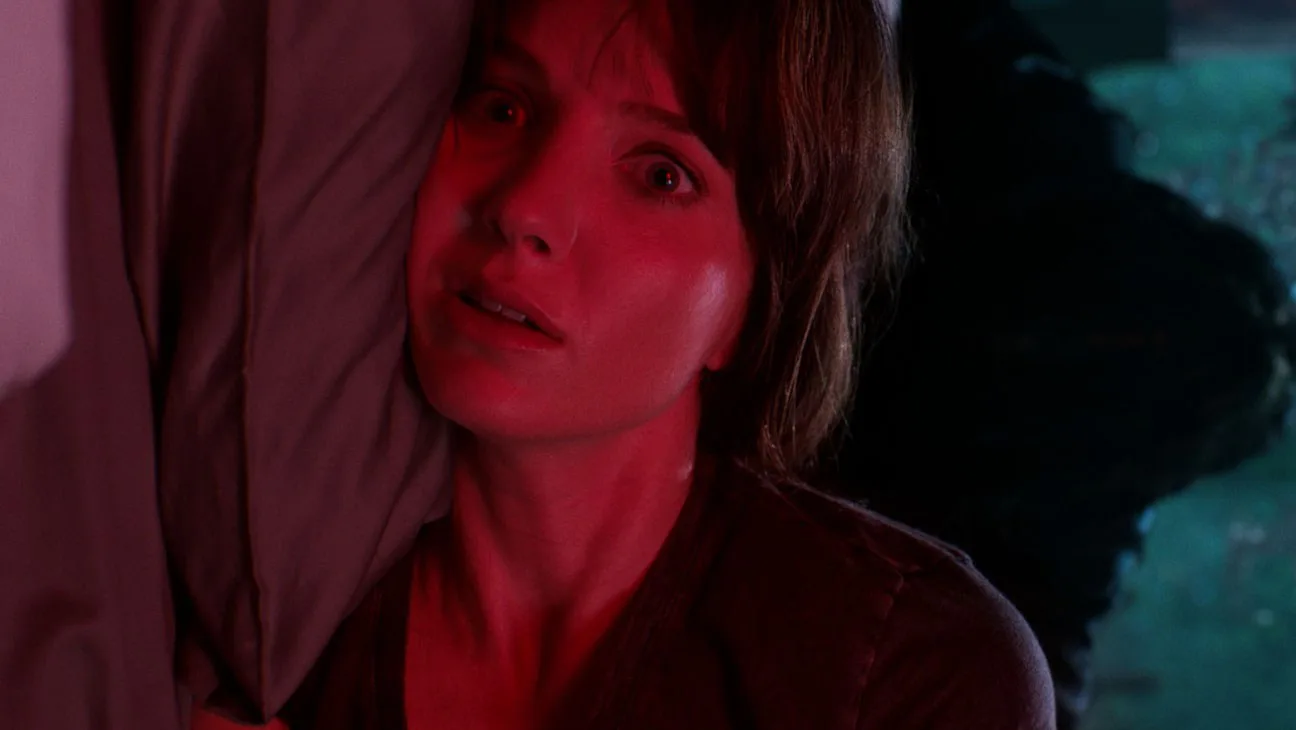
The contemporary landscape of horror doesn’t quite resemble Saw or paranormal ghost stories though — the advent of “elevated horror” has led to a genre output that has become increasingly dour and self-serious over the last few years, which isn’t necessarily a problem outside of how ubiquitous it is now. As much as it sounds like an oxymoron, some of the greatest horror films of all-time have balanced life-or-death stakes with camp and absurdity. Thankfully, James Wan’s 2021 magnum opus did exactly that, and while it isn’t as influential as his other films, it’s fast on its way to becoming a cult classic for introducing audiences to one of the best horror villains of the 2020s so far.