
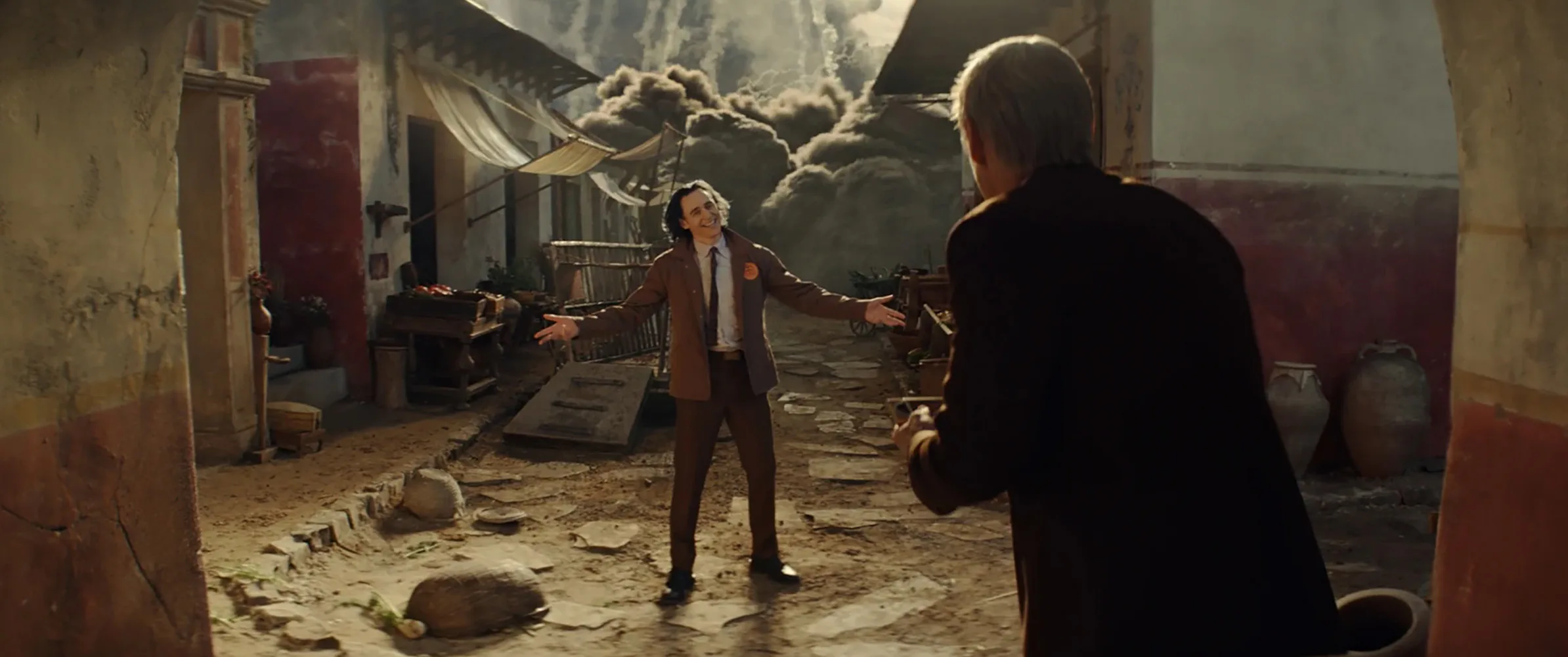
In the first season of Loki, the eponymous God of Mischief (Tom Hiddleston) travels back in time to the destruction of Pompeii. As an errant variant of the original Loki, he’s used to his actions triggering anomalies for the Time Variance Authority. But as he stands in the shadow of Mount Vesuvius as it rains down ash on the doomed city, Loki realizes that nothing he does will change anything. Pompeii’s destruction is a fixed event in the Sacred Timeline: its people are doomed, and Loki’s hijinks will neither save them nor speed up their demise.
Loki only confirms what most people already assume about the tragedy of Pompeii — albeit with a Marvel-inspired twist — but the reality of this fraught chapter in history was a little more nuanced. Not every citizen of Pompeii was instantly buried in the volcanic eruption, and not everyone perished. Some even escaped, but their survival rarely makes its way into history books. Ironically, it falls to the same team behind Loki to set the record straight. Five years after the series (gently) satirized the event, Hiddleston and producer Kevin R. Wright are headed back to Pompeii to tell the real story.














