Get all your news in one place.
100's of premium titles.
One app.
Start reading
Times Life
Times Life
Deepak Rajeev

5 Powerful Lessons Lord Buddha Taught About Anger and Peace

Among the many spiritual teachers who transformed human thought, Lord Buddha remains one of the most powerful voices of peace, compassion, and inner awakening. His teachings continue guiding millions across the world because they address the deepest struggles of the human mind. Among those struggles, anger remains one of the most destructive. Buddha understood that anger is not merely an emotional reaction. It is a force capable of destroying relationships, disturbing peace, clouding wisdom, and creating suffering both for oneself and for others. Throughout his teachings, he repeatedly emphasized that true strength does not come from overpowering enemies but from conquering the restless mind itself.

For devotees and spiritual seekers, Buddha’s teachings about anger remain deeply relevant even today. Modern life often pushes people toward frustration, conflict, comparison, ego, and emotional exhaustion. Yet Buddha’s wisdom continues offering a path toward calmness, compassion, clarity, and lasting inner peace. The lessons he taught were not based on hatred toward the world. They were rooted in deep understanding of human suffering and the possibility of spiritual transformation. Even centuries later, Buddha’s words continue inspiring people seeking peace in a world filled with emotional turmoil.

1. Anger Hurts the Person Holding It Most

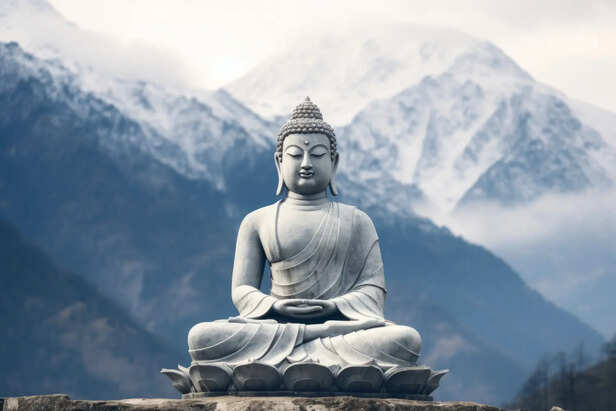
Buddha Statue

One of the most profound lessons Buddha taught is that anger harms the person carrying it far more than the person receiving it. In Buddhist teachings, anger is often compared to holding burning coal with the intention of throwing it at someone else. Before it reaches another person, it burns the one holding it. This lesson carries extraordinary emotional depth because many people believe anger gives them strength or control. Buddha taught the opposite. He explained that uncontrolled anger weakens the mind, disturbs peace, and blinds people from wisdom and compassion.

For spiritual seekers, this teaching becomes transformative because it changes how suffering is understood. Instead of seeing anger as power, Buddha encouraged people to see it as inner suffering seeking release. This is why many Buddhist traditions emphasize mindfulness, silence, and self awareness during moments of emotional disturbance. Peace begins not by controlling others but by calming the storm within oneself. The lesson remains timeless because human beings continue struggling with resentment, ego, jealousy, and emotional pain even today.

2. Peace Comes From Controlling the Mind, Not the World

Lasting Peace Requires Letting Go

Lord Buddha repeatedly taught that lasting peace cannot be achieved by controlling external circumstances alone. Human beings often believe peace will come after gaining wealth, victory, recognition, revenge, or success. Yet Buddha observed that the restless mind continues creating dissatisfaction even after worldly desires are fulfilled. According to Buddhist philosophy, inner peace begins when the mind itself becomes disciplined and aware. This lesson became central to Buddha’s spiritual journey after he left his royal palace seeking freedom from suffering. Despite having luxury, comfort, and status, he realized external pleasures could not remove fear, aging, sickness, and emotional suffering.

For devotees, this teaching remains deeply spiritual because it shifts attention inward. True peace is not dependent on the behavior of others or perfect life circumstances. It emerges through self awareness, compassion, patience, and detachment from destructive emotions. This is one reason meditation became such an important part of Buddhist tradition. Buddha believed the mind must be trained gently and consciously, just as a warrior trains for battle. The greatest victory, according to Buddha, is victory over one’s own anger, greed, and ignorance.

3. Compassion Is Stronger Than Revenge

Another extraordinary lesson Buddha taught was that compassion holds greater power than revenge. Throughout his teachings, Buddha encouraged followers to respond to hatred not with more hatred but with understanding and kindness. One of the most famous teachings associated with him states that hatred never ends through hatred. It ends only through compassion. This principle remains emotionally powerful because human nature often pushes people toward retaliation when hurt.

Buddha understood this deeply. Yet he warned that cycles of anger and revenge only multiply suffering. For devotees and spiritual seekers, this lesson does not mean accepting injustice passively. Instead, it teaches that reacting with uncontrolled hatred destroys inner peace and clouds spiritual wisdom. Buddha’s compassion extended even toward those who insulted or opposed him. Stories from Buddhist traditions often describe how he responded to hostility with calmness and understanding rather than emotional aggression. This spiritual strength continues inspiring millions because it reflects emotional mastery rather than weakness. In a world filled with conflict and division, Buddha’s teaching on compassion remains one of humanity’s most timeless spiritual lessons.

4. Ego Fuels Most Human Conflict

Buddha repeatedly emphasized that ego lies at the root of much human suffering and anger. People become angry when pride feels threatened, when expectations are not fulfilled, or when attachment to identity becomes too strong. Buddha taught that much emotional pain arises because individuals cling too tightly to the idea of “I” and “mine.” This lesson connects deeply with Buddhist teachings about attachment and impermanence. According to Buddha, ego creates comparison, jealousy, insecurity, arrogance, and endless dissatisfaction. The more tightly people cling to pride and self importance, the more vulnerable they become to anger and emotional suffering.

For spiritual seekers, this teaching becomes transformative because it encourages humility and awareness rather than constant emotional reaction. Buddha himself demonstrated extraordinary simplicity despite becoming one of history’s greatest spiritual teachers. His life reflected detachment from ego, luxury, and power. This continues inspiring devotees because it shows that true greatness does not require dominance or pride. It emerges through wisdom, compassion, and inner peace.

5. Lasting Peace Requires Letting Go

Perhaps one of Buddha’s deepest teachings about peace was the importance of letting go. Human suffering often continues because people remain attached to anger, memories, regrets, desires, and emotional wounds. Buddha taught that holding onto pain endlessly prevents inner freedom. Letting go does not mean forgetting every hurt or denying emotion. It means refusing to allow suffering to control the mind permanently. This lesson remains emotionally powerful because many people struggle to release old anger and emotional burdens. Buddha understood that attachment to pain can become a prison that blocks peace and spiritual clarity.

For devotees, this teaching offers hope. Inner peace is possible when the mind slowly learns detachment, acceptance, and compassion. Buddhist traditions often describe peace not as emotional emptiness but as freedom from endless inner conflict. The calm and serene image of Buddha himself symbolizes this state of spiritual balance that millions continue seeking even today.

6. Why Buddha’s Teachings Still Resonate Today

The reason Buddha’s teachings continue inspiring humanity is because human emotions have not changed. People still struggle with:

  • anger
  • stress
  • jealousy
  • fear
  • attachment
  • emotional pain
  • ego
  • restlessness

Buddha’s teachings remain powerful because they address these struggles directly with wisdom and compassion. For many spiritual seekers, his message offers something deeply comforting. Peace is not reserved only for saints or monks. It begins gradually through awareness, patience, compassion, and self control. This timeless relevance explains why Buddha’s teachings continue touching hearts across generations and cultures.

Conclusion

Lord Buddha’s teachings about anger and peace remain among the most profound spiritual lessons ever shared with humanity. Through wisdom, compassion, and deep understanding of the human mind, he showed that true strength lies not in aggression but in inner calmness and self mastery. His lessons continue reminding devotees that anger burns peace from within, while compassion and awareness open the path toward lasting spiritual freedom. In a world increasingly filled with emotional unrest and conflict, Buddha’s teachings remain a timeless light guiding seekers toward patience, wisdom, and inner peace. For millions, Lord Buddha is not simply a historical figure. He is an eternal symbol of serenity, compassion, and spiritual awakening.

Explore the latest trends and tips in Health & Fitness, Spiritual, Travel, Life Hacks, Trending, Fashion & Beauty, and Relationships at Times Life!

Sign up to read this article
Read news from 100's of titles, curated specifically for you.
Already a member? Sign in here
Related Stories
Top stories on inkl right now
One subscription that gives you access to news from hundreds of sites
Already a member? Sign in here
Our Picks
Fourteen days free
Download the app
One app. One membership.
100+ trusted global sources.