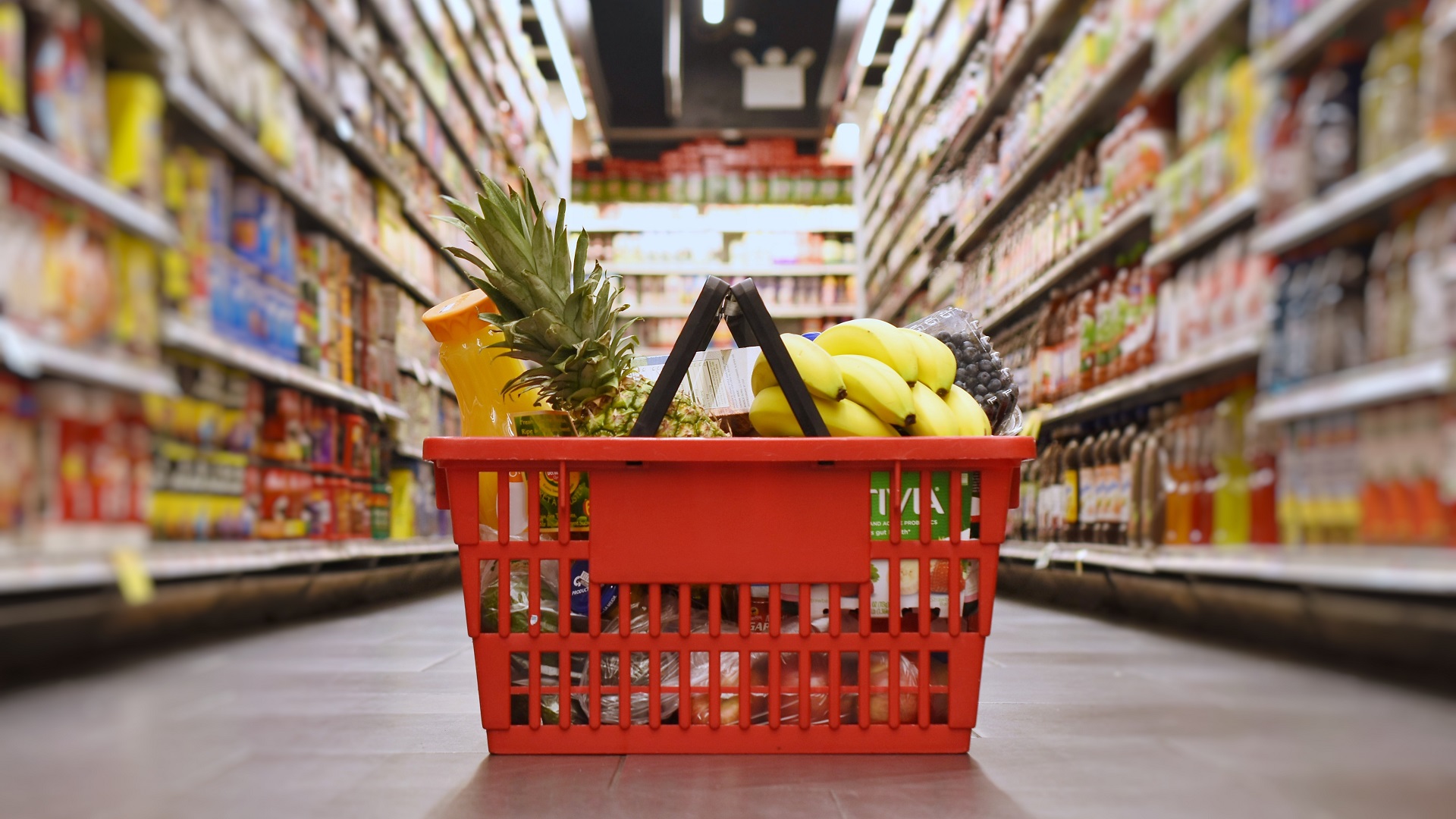
Inflation is still ticking up, no longer in great leaps, but enough that ordinary consumers are feeling the squeeze — especially when they eat. The most recent Bureau of Labor Statistics Consumer Price Index (CPI) report found that overall, prices rose by 3% year over year in September, up from 2.9% the previous month. The food category was on the wrong side of the average, rising 3.1% from the same time in 2024, with food away from home causing the most damage at 3.7%.
For You: 6 Things You Must Do When Your Savings Reach $50,000

Find Out: 5 ‘Necessities’ Frugal People Don’t Buy, According To Frugal Living Expert Austin Williams
However, there is some good news to be found at the grocery store. Food at home rose by only 2.7% overall as supermarket inflation forced prices up more slowly than it did at restaurants. Slowly getting more expensive is better than the alternative — unless the alternative is prices actually dropping, which they did for these four grocery store staples.
Cereals and Cereal Products
Bakers and anyone else who relies on grains and their many derivatives for their home kitchens got relief in the form of a 0.8% year-over-year price drop category-wide. The reduction was led by rice, the price of which fell by 1.7%, with pasta and cornmeal not far behind.
Learn More: We’re a Family of 5 Living on One Salary: Here’s Our Monthly Budget
Ham
Shoppers did not get much good news in the meat aisle in the past year. The price of meat, in general, rose by a budget-busting 8.5% — or 6% when including poultry, fish and eggs. Beef and veal soared by 14.7%, with uncooked beef roasts and steaks leading the surge with sky-high year-over-year inflation rates of 18.4% and 16.6%, respectively.
The one bright spot was ham, excluding canned ham, which fell by a modest but welcome 0.2%.
Shelf-Stable Fish and Seafood
The price of canned, tinned and other shelf-stable fish and seafood fell by 3% between September 2024 and September 2025. Interestingly, the price of fresh fish rose by 3%, which would have made the overall category a wash, had frozen fish not experienced 6.6% inflation in the same period.
Eggs
The most striking news to emerge from the CPI report dealt with the grocery store product that has spent years as the avatar for the country’s inflation anxiety — eggs, which saw a 1.3% year-over-year decrease in September.
That, however, does not fully represent the dramatic turnaround that has occurred.
According to the Federal Reserve Bank of St. Louis, a dozen eggs cost an average of $3.82 in September 2024 and $3.49 a year later, which roughly aligns with the CPI report. However, the CPI report omits that the same dozen eggs had vaulted to $6.23 between September 2024 and March, which means this September’s average price represents a decrease of nearly 50% in just six months.
More From GOBankingRates
- 6 Costco Items for Responsible Retirees To Buy Before Hosting Thanksgiving
- I Retired a Millionaire: The Best $20,000 I Ever Spent Preparing for Retirement
- How Middle-Class Earners Are Quietly Becoming Millionaires -- and How You Can, Too
- 5 Things You Must Do When Your Savings Reach $50,000
This article originally appeared on GOBankingRates.com: 4 Groceries Actually Getting Cheaper in 2025