
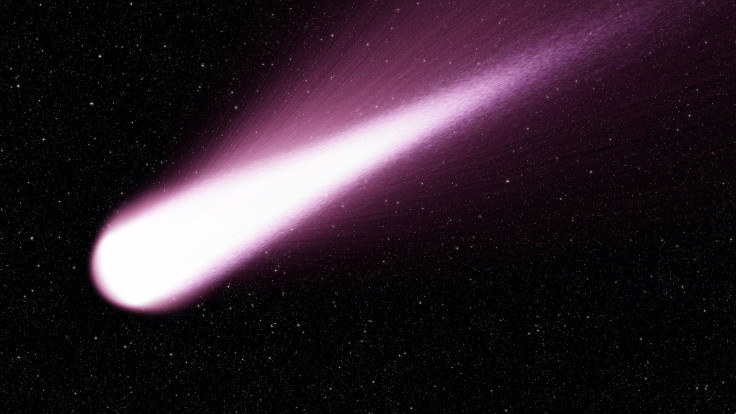
Imagine a visitor that has travelled untold light years, crossing the vast gulf between star systems, only to reveal that it holds the very chemical blueprint for life as we know it. This is not science fiction; it is the reality of the interstellar comet 3I/ATLAS (formally designated C/2025 N1 (ATLAS)), the third confirmed object of its kind to pass through our solar system after 1I/'Oumuamua and 2I/Borisov, and new observations have revealed just how profoundly unusual this cosmic traveller truly is. As the comet swings by Earth for a brief viewing window, a team of scientists has peered into its core, finding a cocktail of organic molecules so concentrated it challenges our understanding of celestial chemistry.
First spotted on July 1, 2025 by the Asteroid Terrestrial-impact Last Alert System (ATLAS) telescope in Río Hurtado, Chile, the object, which originated around another star entirely, has been under intense scrutiny from instruments across our solar system. A group led by NASA astrochemist Martin Cordiner utilised the Atacama Large Millimeter Array (ALMA) in Chile to meticulously study the gaseous shell — or coma — streaming off the comet's surface.