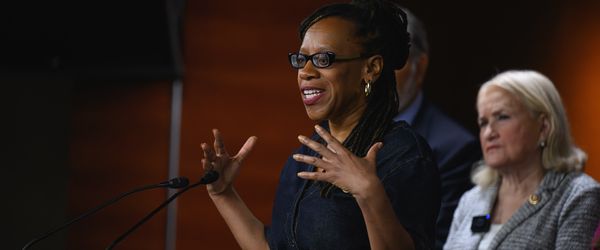
The Federal Reserve has a new chair, and Kevin Warsh’s first Federal Open Market Committee meeting at the helm gives investors their first real look at how he may steer interest-rate policy. Investors aren’t expecting any change in interest rates at this meeting, but will be looking for clues about the next directional decision.
In January 2026, investors believed multiple rate cuts were inevitable this year. However, the U.S. conflict with Iran has complicated those expectations. Inflation, which was already stubbornly above the Fed’s preferred 2% target, has started to climb, fueled by higher energy prices. Last month’s Jobs report came in hotter than expected.

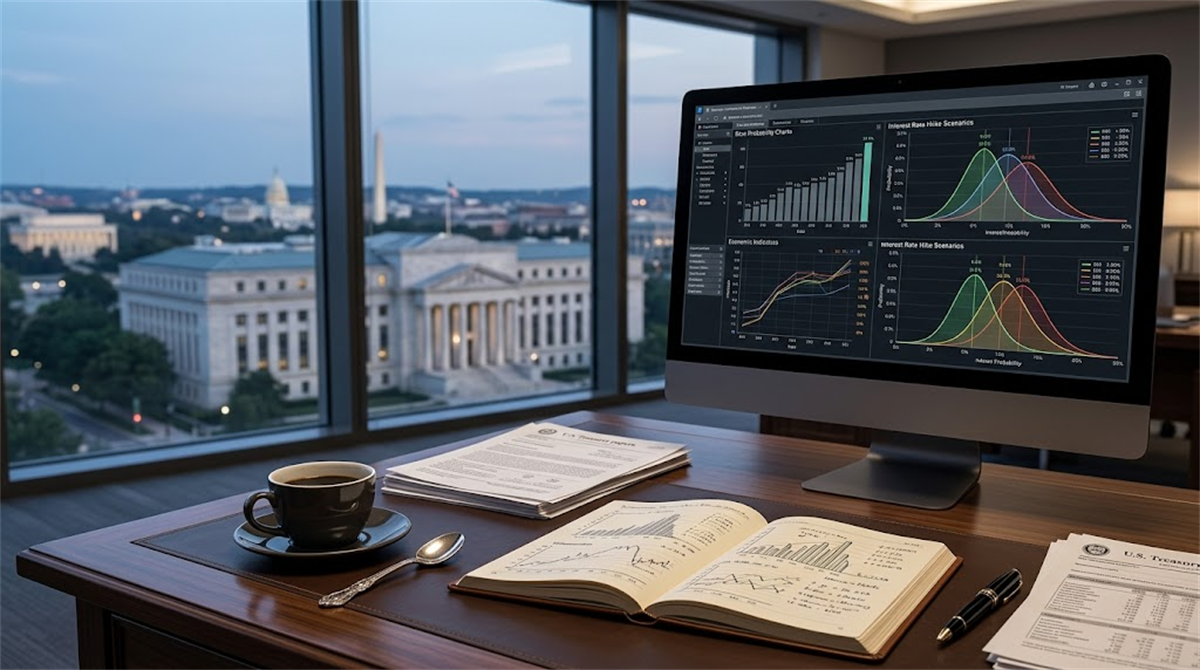
Together, sticky inflation and a resilient labor market give the Federal Reserve less reason to cut rates quickly. The same data is also raising the possibility that rates may stay elevated longer, with another hike still on the table if inflation keeps rising. The CME FedWatch tool puts the odds of a September rate hike at around 25%. That increases to about 42% in December.
How Should Investors Think About the Federal Reserve?
Most long-term investors shouldn’t build an entire strategy around a single Federal Reserve meeting. But understanding how inflation and employment shape rate policy can help investors identify stocks and sectors better suited to the current environment.
Warsh has expressed interest in changing how the Federal Reserve evaluates the economy and communicates policy. Investors shouldn’t expect any of those reforms to be part of this meeting, but they may get clues about how the Fed will operate going forward.
With the FedWatch tool suggesting interest rates could stay unchanged until at least September, summer may be a good time to look at stocks that tend to perform well in higher-rate environments.
JPMorgan Chase Benefits From Higher Lending Margins
JPMorgan Chase (NYSE: JPM) is as close to a direct beneficiary of rising rates as investors will find. When interest rates climb, banks earn more on the spread between what they pay depositors and what they charge borrowers. JPMorgan Chase is built to capture that spread at scale.
The bank reported $25.1 billion in net interest income in Q1 2026, up 7% year over year. Full-year 2026 net interest income is guided at approximately $104.5 billion. That number only gets better if the Fed raises interest rates.
Beyond traditional bank lending, JPMorgan Chase is the top-ranked firm in M&A advisory and equity underwriting as of Q1 2026. Its investment banking and trading operations give it multiple ways to generate revenue beyond lending alone.
If rate hike fears drive market volatility, JPMorgan Chase's trading desks tend to benefit from increased client activity. Q1 2026 saw record market revenue of $11.6 billion, alongside a 28% increase in investment banking fees. At around 15x earnings, JPM stock isn't cheap by historical standards, but it's earning that premium.
Enterprise Products Partners Offers Income in Any Rate Environment
Not every rate-environment play requires betting on the next Fed decision. Enterprise Products Partners (NYSE: EPD) offers investors something more straightforward: a consistent, growing income stream backed by essential energy infrastructure.
Enterprise Products Partners operates one of the largest midstream pipeline networks in North America, moving natural gas, crude oil, and petrochemicals across the country. The company moves more than 12 million barrels of energy equivalents daily. That volume generates stable fee-based cash flow regardless of commodity prices — or what the Fed does next.
EPD has raised its dividend for 28 consecutive years. The current annualized dividend is $2.20 per share, yielding close to 6%. That yield looks increasingly attractive as investors recalibrate expectations away from rate cuts. In an environment where "higher for longer" is back on the table, a near-6% dividend from a financially disciplined infrastructure business is hard to ignore.
Berkshire Hathaway Turns High Rates Into Opportunity
For years, Berkshire Hathaway (NYSE: BRK.B) and its massive cash pile drew criticism. Critics called it lazy capital. Today, with rates elevated and rate hike odds climbing, the company’s cash is generating meaningful returns. That gives Berkshire optionality that most companies can only dream about.
Berkshire's current cash balance sits at nearly $400 billion. The bulk of it is parked in short-term Treasury bills, which now yield enough to move the needle on Berkshire's balance sheet. Insurance underwriting profit and investment income have both benefited from higher interest rates and disciplined pricing.
There's also a competitive advantage angle. If rates rise and markets pull back, Berkshire’s business model lets it deploy that cash at better prices. Plus, higher interest rates generally benefit Berkshire's insurance float earnings, while its defensive characteristics make it a staple in conservative portfolios during market downturns. BRK.B won't chase the market higher, but in uncertain rate environments, that's exactly the point.
The article "3 Rate-Ready Stocks for the New Fed Chair’s First Big Test" first appeared on MarketBeat.