Get all your news in one place.
100’s of premium titles.
One app.
Start reading
Budget and the Bees
Budget and the Bees
Latrice Perez

2026 Rent Rules: The Only Places Where Landlords Face Legal Caps on Rent Increases

2026 rent rules
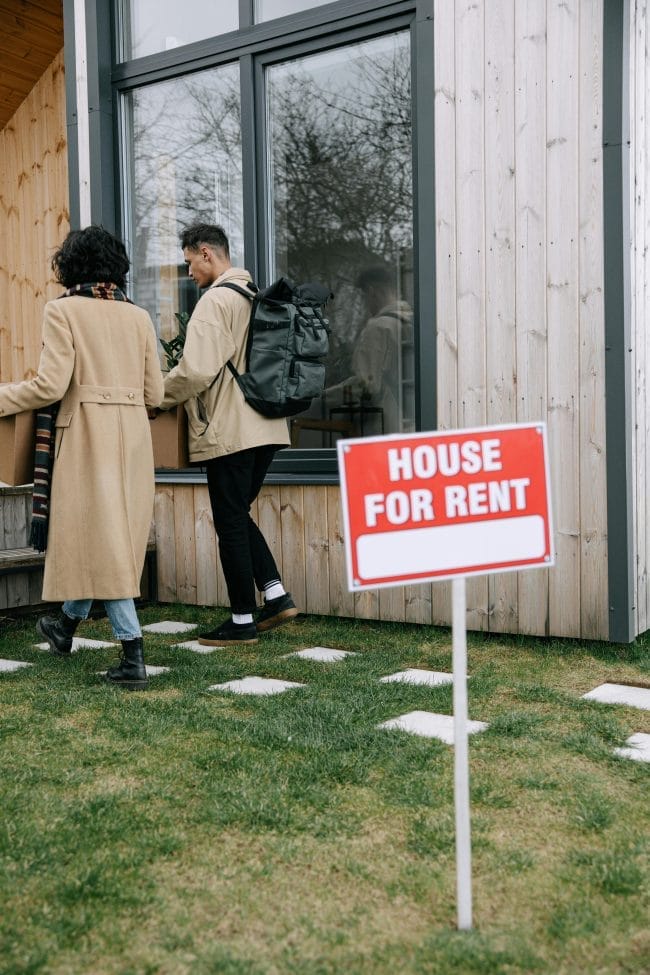
Image source: Pexels.com

It is the letter every renter fears: a lease renewal with a $300 price hike. For millions of Americans, the dream of affordability is being crushed. You’re working harder than ever, yet a bigger chunk of your paycheck vanishes into your landlord’s pockets. Honestly, it feels like there is no ceiling to how high they can go.

However, in 2026, the legal landscape is shifting. In a handful of states and cities, specific rent rules finally put a hard cap on how much a landlord can raise your rent. Today, we are exposing exactly where these legal caps exist and what you need to know to protect your housing rights.

The California and Oregon Statewide Caps

If you don’t live in a state with legislated caps, your landlord can technically raise your rent as much as they want. But California and Oregon set the 2026 standard for protections. Under California’s Tenant Protection Act (AB 1482), the annual rent increase for units effective through July 2026 is capped at 5% plus the local cost of living. For example, in San Francisco, the total allowable increase is currently just 6.3%.

Oregon follows a similar path. The state recently announced its 2026 rent increase limit is 9.5%. This ensures your housing costs don’t outpace wage growth in a chaotic economy. Other cities maintain their own shields; New York City recently approved a 3% limit for one-year stabilized leases starting in late 2025, while Washington, D.C., capped 2026 increases for most rent-controlled units at 4.1%.

These rules don’t apply to every building. Surprisingly, newer apartments built in the last 15 years are often exempt from these caps. This is the “new build” loophole that catches many renters off guard. The system prioritizes inventory growth over price stability. If you live in an older building in these states, you have a massive legal shield. Check the year your building was built before you sign a renewal.

The Emergence of Local Rent Control

The most exciting shift is happening at the local level. Cities like St. Paul, Minnesota, and several municipalities in Maryland have implemented their own hard caps. St. Paul’s ordinance limits residential rent increases to just 3% in a 12-month period. Surprisingly, these local rules are often much stricter than state laws.

This “local first” movement responds to a housing crisis that many feel the federal government has ignored. Moving to a town with rent stability can be a top financial move. It provides the predictability your budget needs to get ahead.

The legal part of these caps is where it gets tricky. Many landlords try to bypass the 2026 rent rules by adding mandatory fees for parking, trash, or amenities. This “hidden fee” strategy is currently facing battles in the courts. If your rent is capped at 3% but your amenity fee triples, you are still facing a massive increase. Know the difference between base rent and total housing cost. Have you read the fine print on your 2026 lease renewal?

How to Challenge an Illegal Rent Hike

The best way to stop an illegal increase is to know the law better than your landlord does. If you live in a capped zone, you have the right to challenge any hike that exceeds the legal limit. Surprisingly, most landlords back down the moment you cite the specific 2026 ordinance number.

They are betting on your ignorance. By being an informed tenant, you move from vulnerability to power. This isn’t just about saving money; it is about demanding the stability you deserve. Are you ready to send that correction email today?

Reclaiming Your Right to Stable Housing

The 2026 rent rules represent a turning point. While most of the country still operates in a “Wild West” rental market, the zones of protection are expanding. By understanding where these legal caps exist, you can build a life that isn’t at the mercy of a landlord’s whim.

You shouldn’t have to move every two years to stay on budget. Stay informed, know your building’s age, and stand your ground. Your home is your sanctuary, and the law is finally starting to acknowledge that. Take control of your housing future and find out exactly what protections apply to your front door.

Is your landlord trying to hike your rent beyond the limit, or have you found a way to fight back? Tell us your experience in the comments!

What to Read Next…

The post 2026 Rent Rules: The Only Places Where Landlords Face Legal Caps on Rent Increases appeared first on Budget and the Bees.

Sign up to read this article
Read news from 100’s of titles, curated specifically for you.
Already a member? Sign in here
Related Stories
Top stories on inkl right now
One subscription that gives you access to news from hundreds of sites
Already a member? Sign in here
Our Picks
Fourteen days free
Download the app
One app. One membership.
100+ trusted global sources.