Get all your news in one place.
100's of premium titles.
One app.
Start reading
MyLifeXP
MyLifeXP
Noopur Kumari

20% Global Childhood Cancer Burden: What India Must Know

A cancer diagnosis in a child can change an entire family’s life within a single conversation. Now, a recent release from the Jawaharlal Institute of Postgraduate Medical Education and Research (JIPMER) has brought fresh attention to the scale of childhood cancer in India. According to JIPMER, India contributes 20% of childhood cancer cases worldwide. The institute also says leukemia, lymphoma and central nervous system (CNS) tumours are among the most common childhood cancers seen in India.
The 20% Figure Behind the Headlines

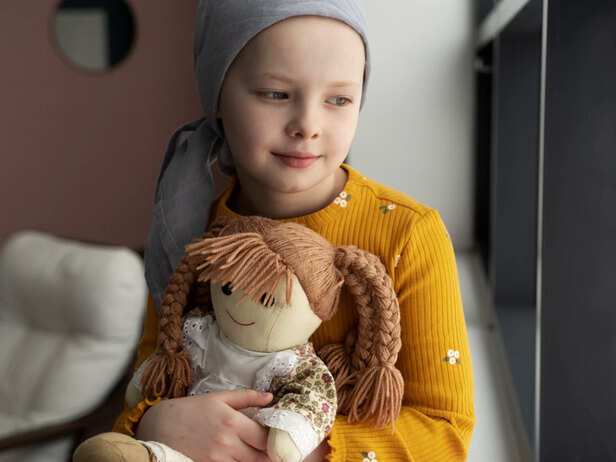
Childhood Cancer Awareness in India
Awareness programmes can help families recognise childhood cancer and seek medical care sooner.

India’s share of the global childhood cancer burden is drawing attention after JIPMER stated that the country contributes 20% of childhood cancer cases worldwide. Childhood cancer is not one single disease; it includes several cancers that can affect children and adolescents. JIPMER identifies leukemia, lymphoma and CNS tumours among the most common cancers seen at its centre. The institute’s paediatric cancer registry, maintained since 2010, now records approximately 200–220 new cases annually at JIPMER.

Why Early Signs Can Be Easy to Miss

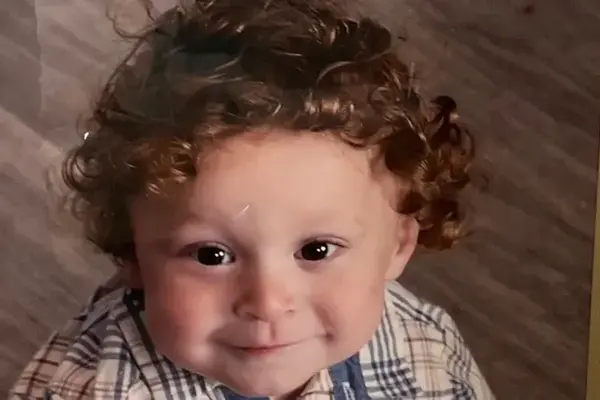
Child Showing Possible Cancer Warning Signs
Some childhood cancer symptoms can overlap with common childhood illnesses.

One reason childhood cancer can be difficult to recognise is that early symptoms may not always look alarming. Persistent fever, unusual tiredness, unexplained weight loss, repeated infections, easy bruising, unusual bleeding, headaches or swelling can have many possible causes. They do not automatically mean cancer, but symptoms that persist, worsen or occur together deserve medical attention. Research on childhood cancer in India has identified delayed recognition and diagnosis as important challenges, with some cases potentially being missed. Parents should avoid self-diagnosis and speak with a qualified healthcare professional when something feels unusual or persistent.

Leukemia, Lymphoma and CNS Tumours

The three cancer types highlighted by JIPMER affect different parts of the body. Leukemia develops in blood-forming tissues and affects blood cells. Lymphoma begins in the lymphatic system, while CNS tumours involve the brain or other parts of the central nervous system. Symptoms can vary widely depending on the cancer and the child’s age. That is why there is no single warning sign that confirms childhood cancer. JIPMER’s current awareness campaign stresses early recognition and appropriate treatment rather than waiting for symptoms to become severe.

The Treatment Gap Matters Too

Finding cancer early is only one part of the challenge. Children may also face difficulties reaching specialised treatment, managing treatment costs, travelling long distances and continuing care for months. A review of childhood cancer care in India identified delayed diagnosis, limited access to specialised services and treatment abandonment among major challenges. JIPMER says its doctors, nurses and medical social workers work with families through counselling, financial and logistical support and follow-up. These forms of support can matter when families are trying to keep a child’s treatment on track.

Childhood Cancer Can Be Curable

The 20% figure should not be read as a message of hopelessness. The World Health Organization says childhood cancer is curable for the vast majority of children when essential diagnostic, treatment and supportive services are accessible. But survival differs sharply between countries and healthcare settings. WHO reports that more than 80% of children with cancer are cured in many high-income countries, while cure rates remain below 30% in many low- and middle-income countries. Its Global Initiative for Childhood Cancer aims for at least a 60% survival rate globally by 2030.

What Parents Should Watch For

Parents do not need to become cancer experts, but they can pay attention to changes that do not seem normal for their child. Seek medical advice for persistent fever, unexplained weight loss, unusual bruising or bleeding, prolonged weakness, repeated infections, persistent headaches, unexplained swelling or other symptoms that continue or worsen. These signs can also occur with many non-cancerous conditions, so they should not be used to diagnose cancer at home. The useful step is simple: notice the change, keep track of how long it lasts and discuss persistent concerns with a healthcare professional.

The Message Behind JIPMER’s Campaign

JIPMER’s National Childhood Cancer Awareness Month 2026 programme carried the theme “Tiny Hands, Mighty Hearts Childhood Cancer is Curable.” The campaign focused on early diagnosis, appropriate treatment and reducing the suffering of children and adolescents with cancer. The institute’s message comes down to something every family can understand: a persistent health problem should not simply be ignored because a child is young. When something seems unusual, timely medical advice can help identify the real cause and, when necessary, begin treatment sooner.

Experiencing frequent stress, fatigue, or health challenges? Your name energy may be worth exploring. Check it here.

Unlock insightful tips and inspiration on personal growth, productivity, and well-being. Stay motivated and updated with the latest at My Life XP

Sign up to read this article
Read news from 100's of titles, curated specifically for you.
Already a member? Sign in here
Related Stories
Top stories on inkl right now
One subscription that gives you access to news from hundreds of sites
Already a member? Sign in here
Our Picks
Fourteen days free
Download the app
One app. One membership.
100+ trusted global sources.