
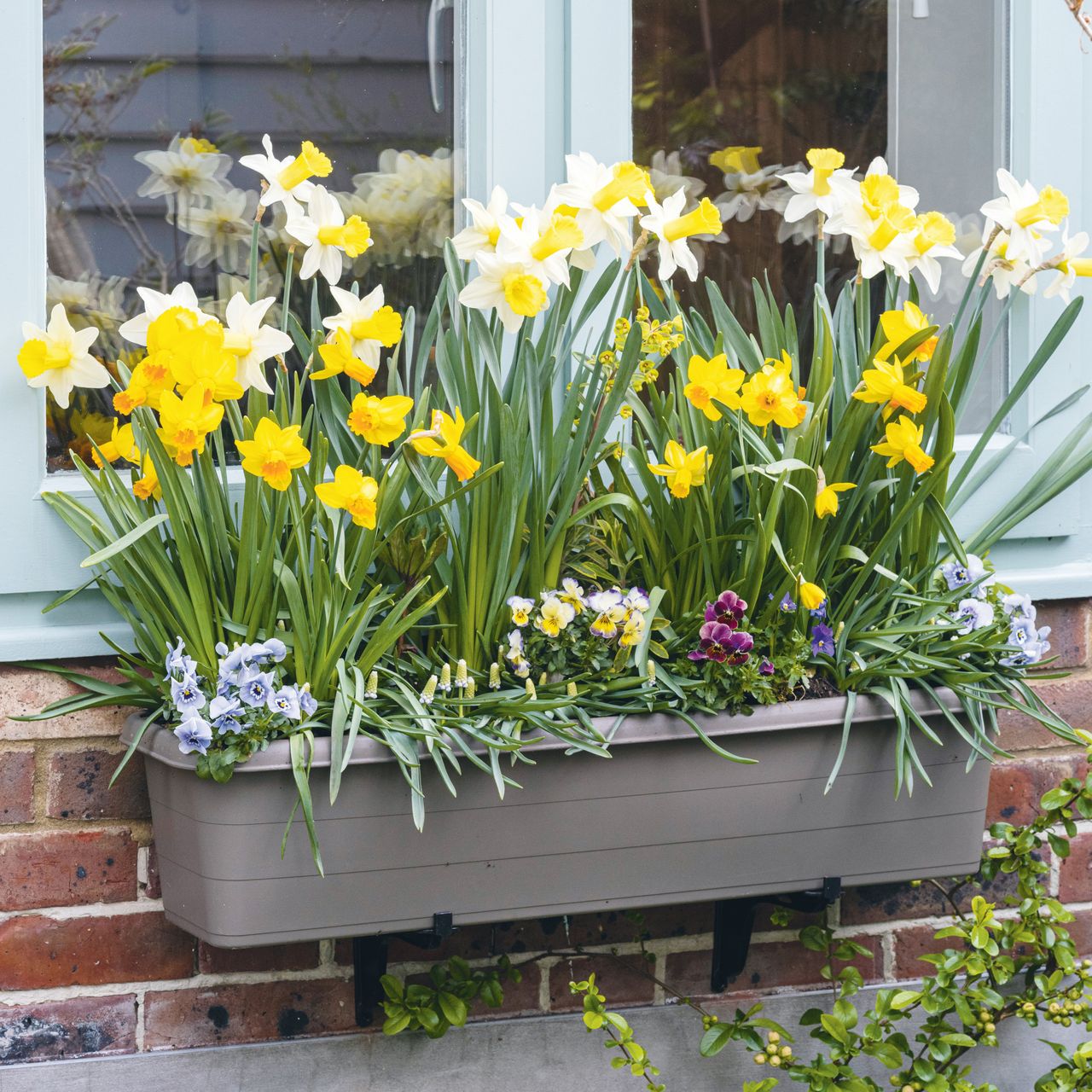
As the days lengthen and we race towards spring, there are so many jobs to do in the garden in February to prepare for peak gardening season.
It’s the ideal time to start sowing early crops, clearing vegetable beds and, when you’re not busy outdoors, browsing the predicted 2026 garden trends for some planting and landscaping inspiration.

To help you pad out your monthly to-do list, I’ve rounded up the best jobs to do in the garden in February. Below, you’ll find a collection of tips from the experts to help you make this month as productive as possible.
What you'll need
A handy 2-in-1 pruning saw and lopper for pruning apple and pear trees.
Large bell cloches for the garden with vents on the top for air circulation.
1. Clear and prepare vegetable beds

One of the most important jobs you can do in a vegetable garden in February is tidy it up. A messy veg patch or bed can harbour a terrible number of garden plant pests, for one thing.
‘The best and most efficient way of defending your beds from pests over winter is removing debris such as old plants and fallen leaves,’ says Kate Turner, gardening guru at Miracle-Gro. ‘These can serve as homes for pests and also diseases over winter.’
It’s also wise to prepare the soil in your vegetable bed for this year’s crops.
‘Soil maintenance is a crucial element of winter garden care,’ says Julian Paphrimand, head of plants at British Garden Centres. ‘Adding well-rotted organic matter such as compost or manure during winter digging enriches the soil structure and provides nutrients that will become available to plants as temperatures rise in spring.’
You can buy Westland Gro-Sure Farmyard Manure from Amazon, which I use to prepare my raised vegetable bed.
2. Start sowing

If you’re wondering what to plant in February, the list is long. Whether you’ll be sowing sweet peas indoors or planting climbers like honeysuckle outdoors, preparations for a flourishing spring and summer garden start now.
You can also sow vegetables under cloches in February to get a head start on the growing season.
‘Utilising these items will protect plants from winter chills, as well as increase soil temperatures, creating better conditions for seeds and young plants to begin sprouting before spring,’ says Kate from Miracle-Gro.
This kitchen garden cloche from Crocus is perfect for covering rows of vegetables. Or, you can start with this affordable bell cloche from Thompson & Morgan for smaller coverage.
3. Protect tender plants

The weather is characteristically unpredictable in February, and late winter frosts are commonplace across the UK. It’s crucial that you know how to protect plants from frost, especially if you’re growing tender or young plants.
‘Tender perennials, exotic species, and newly planted varieties require particular attention during cold snaps,’ says Julian. ‘British Garden Centres recommends using horticultural fleece, cloches, and protective wrapping for vulnerable plants, and moving potted plants to sheltered locations or grouping them together to provide mutual insulation.’
It’s worth protecting plants from frosts with mulch if you can’t physically move them around. Strulch, which you can buy from Amazon, is ideal for enriching the soil, improving soil structure and protecting plant roots from frosts.
4. Winter prune plants

If you’re keen to invest in a good pair of secateurs and tidy your garden this month, you’ll need to tread carefully – there are some plants you should never prune in midwinter, but there are also a lot of plants you can (and should) prune in February.
‘While spring-flowering shrubs should be left untouched in winter to preserve their flowering, many other plants benefit significantly from winter attention,’ says Julian.
‘Apple and pear trees are prime candidates for pruning at this time of year, and bush and cane fruits, including blackcurrants, gooseberries, and summer-fruiting raspberries, can be pruned to encourage new growth.’
You can also winter prune wisteria, learn how to prune roses, and neaten up overgrown deciduous hedges and shrubs like dogwood, too.
5. Trim lawn edges

If you’re looking for lawn-focused jobs to do in the garden in February, learning how to edge your lawn can transform its appearance.
‘Trimming lawn edges with a half-moon edging iron or flat-bladed spade makes a surprising difference to the lawn’s looks and reduces the busy spring workload,’ says Guy Barter, chief horticultural advisor at the Royal Horticultural Society (RHS).
Above all else, you should never walk on a frozen or waterlogged lawn – it’s a winter lawn care mistake that could ruin your grass.
‘Use planks to work from if the lawn is on the soggy side,’ Guy advises.
This Spear & Jackson Lawn Edging Tool from Amazon has brilliant reviews.
6. Inspect garden structures

One of the most important February garden jobs you can do for garden structures like sheds, fences and garden houses is give them a thorough check-over for any wear and tear.
‘Timber structures, including sheds, fences, and decking, should be inspected for damage and treated with the right preservatives during dry spells,’ advises Julian from British Garden Centres.
It’s also a good time to clean your greenhouse, if you have one, and disinfect pots and surfaces so they're ready for this year’s plants.
‘Check greenhouse heating systems to ensure they function when needed,’ Julian adds.
7. Transplant shrubs while they're dormant

February is the ideal time to move shrubs around, while they’re in their winter dormancy.
‘This is important if you have noticed your shrubs aren’t getting what they need in their current home,’ explains gardening expert Paul Parker, from plants and bulbs specialists J. Parker’s. ‘For example, if they are a sun-loving shrub, make sure you move them to a sunnier location in your garden.'
All you’ll need is a spade, like this Spear and Jackson Traditional Stainless Planting Spade from Argos, and a careful hand. Try to dig up all of the roots without slicing into them.
‘Make sure to give it a good drink of water to help it take root, but don’t move any winter shrubs that are currently in flower,’ Paul adds.
8. Chit seed potatoes

If you’re keen to grow your own potatoes this year, you can get started with a very important February garden job this weekend: chitting seed potatoes.
‘Place the tuber’s rose end uppermost in an egg tray and leave it in a cool but not cold, bright place to induce new shoots,’ advises Guy from the RHS. ‘This ‘ages’ the tubers, so the resulting plants mature early after planting.'
Guy says the chitting process is ideal for early potato varieties, but it’s worthwhile for maincrop spuds, too, ‘So they mature before blight disease arrives in early autumn.’
You can buy seed potatoes from a range of trusted garden retailers, in an array of varieties.
9. Pay attention to pots

Winter-proofing pots is one of the most important jobs to do in the garden in February. Left unprotected, the frost can really get to them – and so can rainy weather.
‘Raising containers on pot feet can help to improve drainage and prevent water from freezing around roots,’ says Julian from British Garden Centres. ‘Wrapping terracotta and ceramic pots with bubble wrap or hessian can prevent cracking, while moving valuable containers under eaves or into cold frames offers added protection.’
These Verve Laleh Terracotta Pot Feet from B&Q are ideal. Give your empty pots a good brush and wash-down using a very mild solution of warm water and washing-up liquid, too.
10. Clean garden furniture

It’s also worth thinking about February garden jobs that refresh your outdoor furniture. The process for cleaning metal garden furniture will be slightly different to the way you should clean plastic garden furniture or wooden garden furniture – but no matter what material your chairs and tables are made of, removing algae and rust and even weatherproofing your garden furniture will make it last a lot longer.
‘Garden furniture benefits from cleaning and either storing under cover or protecting with waterproof covers in winter,’ agrees Julian.
11. Take hardwood cuttings

If you want to multiply your collection of plants for free, this February garden job is a must. Many of the hardwood cuttings you can take in January apply to February, too, from buddleja to forsythia.
'Hardwood cuttings aren’t hard!' says Annelise Brilli, horticultural expert at Thompson & Morgan. 'You don’t need a greenhouse, and they can be left outside to root with just the occasional watering required.'
A cold frame can provide an extra layer of protection, like this wooden-framed cold frame from B&Q.
12. Plant up a colourful winter container

If you’re looking for easy garden ideas, planting up a container will add colour and charm to a winter garden.
Gardening expert and author Sarah Raven loves to plant the perennial wallflower Erysimum 'Winter Orchid' in February.
'It’s perfect for growing in spring containers, renowned for flowering from spring right through the summer, and often one of the first plants to come into full bloom,' she says.
The heavily-scented flowers emerge as a coppery orange, turning purple as they age. You can buy Erysimum 'Winter Orchid' from Thompson & Morgan.
Which February garden jobs will you be adding to your list?