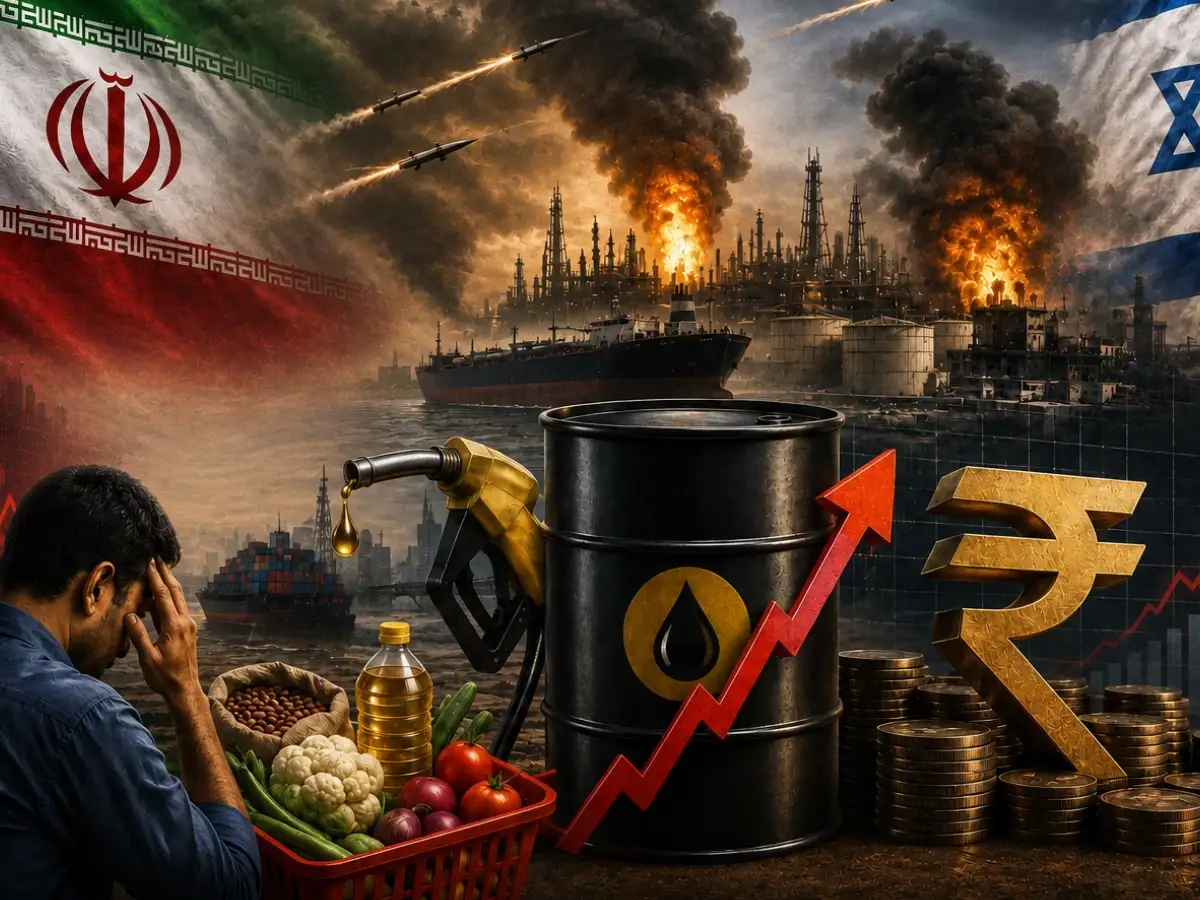
When the possibility of a US-Iran deal became clear in the past weeks as negotiations gathered pace, the talk was that even if Hormuz opened, it would take a while for the oil situation to stabilise. Today, when Iran tensions have hit 100 days, Iran and Israel have begun striking each other again and it appears a full-fledged war might resume. If that happens, India, which has so far absorbed the impact without major disruption, must brace for a larger and more broad-based impact. A few more months of hostilities could send oil prices back up while also depleting strategic reserves.
The fragile calm in the Middle East has collapsed once again as Iran and Israel have resumed an exchange of strikes, threatening to unravel the ceasefire that had held for over 100 days. Yemen’s Iran-backed Houthis fired missiles toward Israel, prompting retaliatory attacks. Israel also launched strikes on Iranian positions, claiming it was responding to missile threats. Diplomatic efforts, including US appeals for restraint, have so far failed to contain the escalation. Analysts warn that renewed hostilities could spiral into a wider regional conflict, putting additional pressure on global oil markets and supply chains. For India, which imports a significant share of its energy needs from the aregion, the consequences could be immediate and far-reaching.