
The garage is more than just a place to park your car or store your tools. For many homeowners, it’s also a hidden hotspot for wasted electricity. From power-hungry appliances to gadgets left plugged in, your garage purchases could be quietly driving up your energy bills. Tackling these common sources of wasted energy is good for your wallet and the environment. By paying attention to what you buy and how you use it, you can cut costs and reduce your carbon footprint. Let’s look at the top garage purchases that waste electricity constantly—and what you can do about them.

1. Old Refrigerators
An extra refrigerator in the garage seems convenient, but it’s often one of the worst offenders for wasted electricity. Older models, in particular, lack energy-efficient technology and may run constantly to maintain temperature, especially in uninsulated garages. If you’re storing just a few drinks or overflow groceries, consider replacing that old fridge with a smaller, energy-efficient model or using a cooler for rare occasions.
2. Chest Freezers
Chest freezers are another common garage purchase that constantly waste electricity. Many people buy them to stock up on frozen foods, but if yours is half-empty or rarely needed, it’s consuming power for little benefit. Modern freezers are more efficient, but placement in a hot garage makes them work harder. Defrost regularly, keep them full, or consider if you truly need an extra freezer at all.
3. Space Heaters
Cold garages tempt many homeowners to plug in a space heater. Unfortunately, these devices can quickly rack up electricity costs. Most space heaters aren’t designed for large, drafty spaces and will run continuously without making much difference in temperature. Instead, try insulating your garage or dressing warmer when you need to work there.
4. Plugged-In Power Tools
Leaving power tools plugged in, even when not in use, can waste electricity constantly due to standby power draw. Chargers for cordless tools are especially guilty—they keep trickle-charging batteries long after they’re full. Unplug chargers and tools when not in use, or use a power strip to cut off electricity easily.
5. Old Light Fixtures
Many garages still rely on outdated incandescent or fluorescent lighting. These fixtures use far more electricity than modern LED bulbs. If lights are left on for long periods, your energy bill can climb quickly. Swap out old bulbs for LEDs and consider adding motion sensors to ensure lights turn off automatically when the garage is empty.
6. Garage Door Openers with Always-On Features
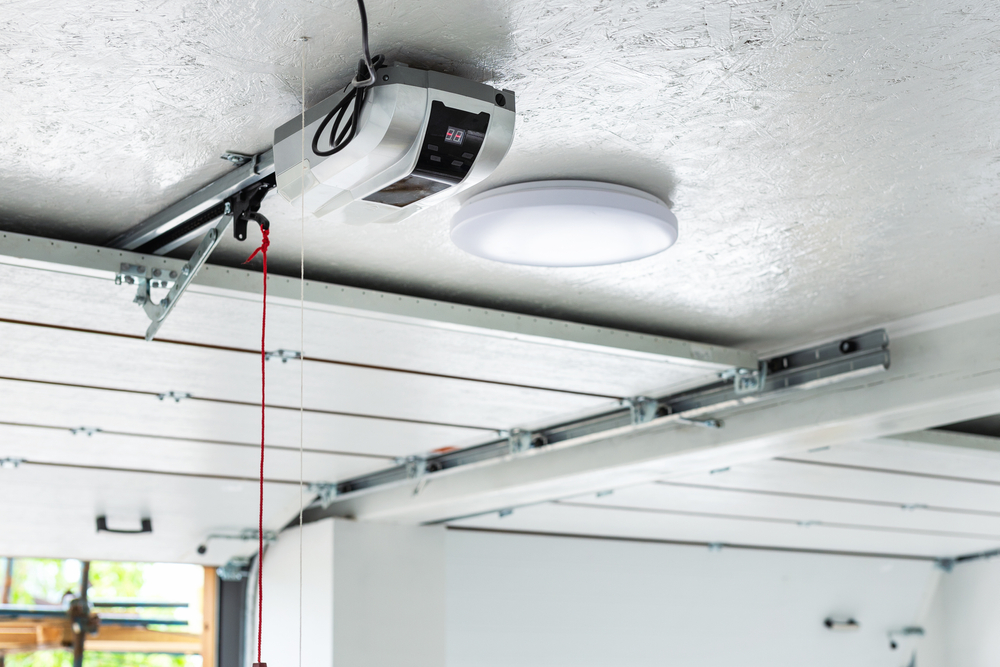
Some garage door openers stay in standby mode, ready to receive signals at any time. While convenient, this always-on feature means they draw electricity constantly. Look for models with energy-saving standby modes or unplug the opener (if possible) during long trips away from home. It’s a small change that can add up over time.
7. Mini-Fridges
Mini-fridges seem like a great idea for drinks or snacks, but they often use more energy per cubic foot than full-sized refrigerators. If your mini-fridge is old or sits in a hot garage, it works overtime to keep items cold. Consider whether you really need it, or upgrade to an ENERGY STAR-certified model for better efficiency.
8. Electric Vehicle Chargers (Left Plugged In)
Electric vehicle (EV) chargers can draw a small amount of electricity even when not actively charging a car. Some models also have indicator lights or innovative features that consume power. If you have an EV charger in your garage, unplug it or use a smart plug to cut off power when it’s not needed. This helps constantly eliminate another source of wasted electricity.
9. Dehumidifiers
Garages can get damp, leading many people to run a dehumidifier. While helpful, dehumidifiers can be one of the biggest energy hogs if left running all the time. Use a model with a built-in humidistat, so it only runs when necessary. Also, keep doors and windows closed to help control moisture without overworking the machine.
10. Battery Maintainers and Tricklers
Battery maintainers and trickle chargers are designed to keep vehicle batteries topped up, especially for seasonal cars or motorcycles. These devices draw a small current constantly, which adds up over weeks or months. Unplug maintainers when you don’t need them, or switch to a smart charger that shuts off automatically once the battery is full.
How to Cut Down on Wasted Electricity Constantly
Now that you know which appliances in the garage waste electricity constantly, you can take simple steps to reduce your energy usage. Start by unplugging devices when they’re not in use, upgrading to energy-efficient appliances, and using smart plugs or timers. Small changes, like switching to LED lighting or improving insulation, make a real difference over time.
Being mindful of garage energy use doesn’t just lower your electricity bill—it also helps the environment. Which garage item surprised you the most? Share your thoughts or energy-saving tips in the comments below!
What to Read Next…
- Upgrading Your Garages Energy Efficiency
- 10 Garage Storage Hacks That Are Actually Fire Hazards
- 10 Garage Mistakes That Lower A Homes Resale Value
- 9 Things You Should Never Keep In Your Garage But Probably Do
- 6 Garage Uses That Can Violate City Code
The post 10 Garage Purchases That Waste Electricity Constantly appeared first on Clever Dude Personal Finance & Money.