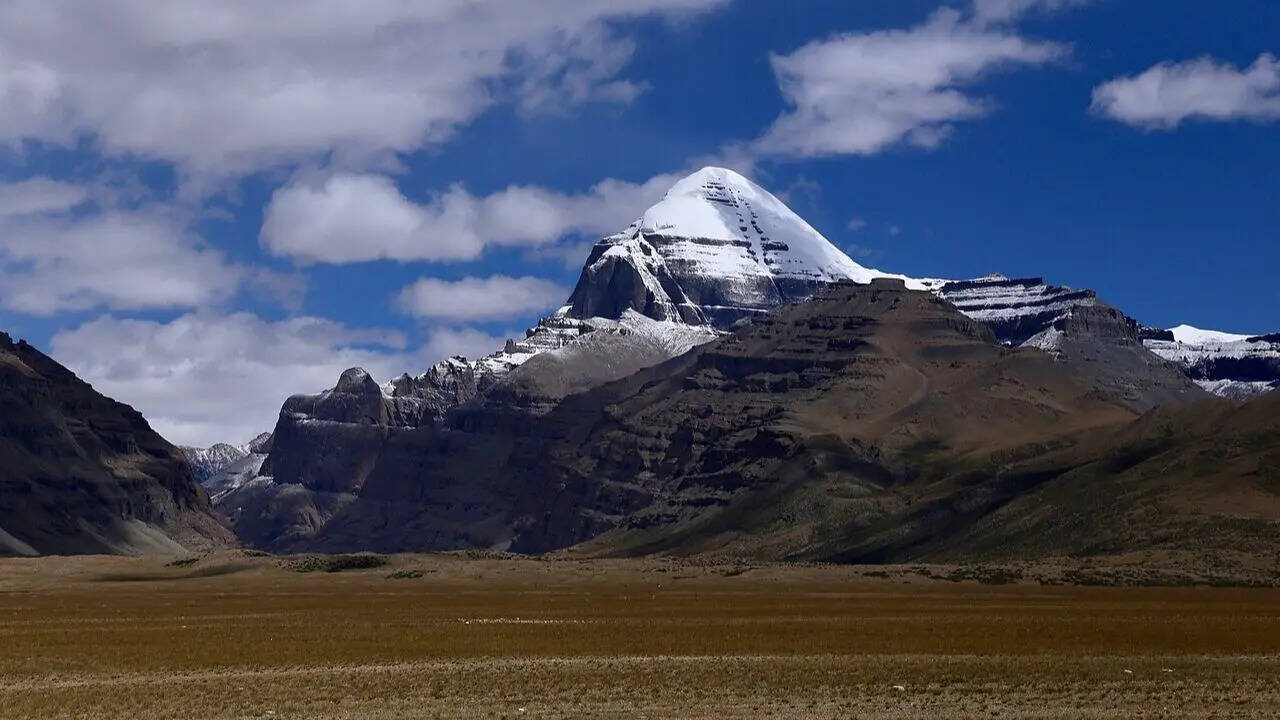
Mountains have always drawn people towards them. Some attract climbers seeking technical challenges, others lure pilgrims searching for something less tangible. Across the world, thousands of peaks are open to expeditions, trekking groups and adventure tourists. Yet a small number remain beyond reach, not because they are impossible to climb, but because societies, governments or religious traditions have decided they should remain untouched.
The reasons differ from place to place. Some peaks are regarded as the dwelling places of deities. Others stand within Indigenous landscapes where climbing is considered deeply disrespectful. A few have been closed to protect fragile environments damaged by decades of human activity. In an era when satellite mapping and modern equipment have made even remote summits accessible, these mountains represent a different idea altogether: that not every high point needs a flag planted on top of it.