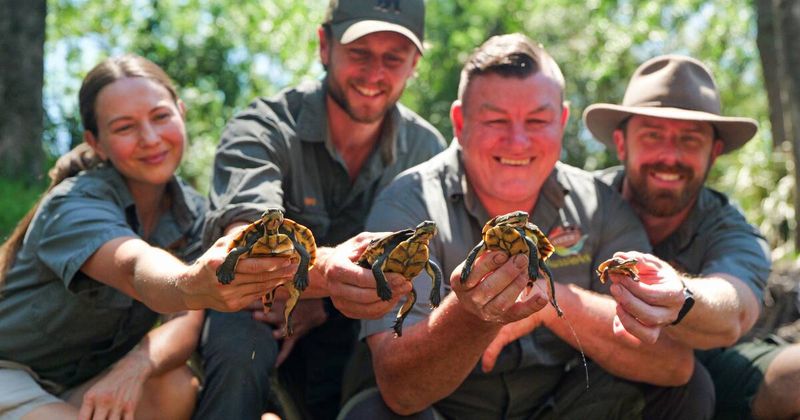
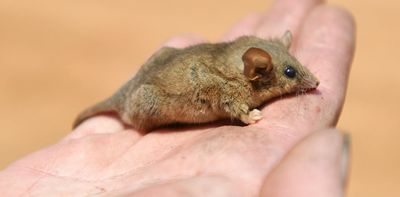
The $1m plan to save some of Australia's most vulnerable species New grant for Aussie Ark to help threatened wildlife at a scale 'never seen before'. Newcastle Herald · Aug 4
Taking your child to an Anzac service? Prepare for loud noises and big questions Tens of thousands of Australians are expected to attend Anzac Day marches and services over the weekend. The Conversation · Apr 23
New data shows a jump in older people dying from drug overdoses When we talk about drug overdose deaths, many of us imagine a problem that affects young people. The Conversation · Aug 31, 2025
Yes, nature is complex. But saving our precious environment means finding ways to measure it Nature loss directly threatens half the global economy. The rapid destruction of biodiversity should alarm the many Australian businesses dependent on nature, such as those in agriculture, tourism, construction and food manufacturing. Yet nature considerations are often ignored in business decision-making. The Conversation · Oct 9, 2024
Yes, Australia’s environment is on a depressing path – but $7 billion a year would transform it The condition of Australia’s environment continues to decline. Many Australians wonder if it’s possible to reverse this depressing trajectory – and our landmark assessment released today shows the answer is yes. The Conversation · Jul 24, 2024
Stepping stones for wildlife: how linking up isolated habitats can help nature thrive in our cities Imagine you’re a fairywren living in a patch of scrub behind a schoolyard in the suburbs. It’s been pretty nice so far, but a recent increase in neighbourhood cats and the council’s insect control tactics mean it’s time to look for somewhere safer to live. The Conversation · Jul 19, 2024
‘Things started to look dire’: our deep-dive into past climates sounds a warning for this unique corner of Australia Climate change threatens plants and animals around the world, but some regions are particularly exposed. Some are vulnerable simply due to the huge diversity of species they harbour. Others will experience more acute climate disruption than elsewhere. For some regions, such as Western Australia’s southwest, both are true. The Conversation · Jun 28, 2024
A renewable energy transition that doesn’t harm nature? It’s not just possible, it’s essential Earth is facing a human-driven climate crisis, which demands a rapid transition to low-carbon energy sources such as wind and solar power. But we’re also living through a mass extinction event. Never before in human history have there been such high such rates of species loss and ecosystem collapse. The Conversation · Jun 7, 2024
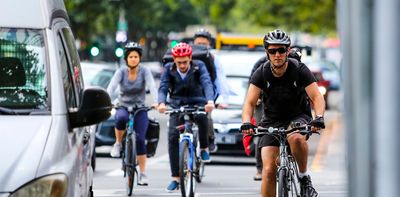
Why do so few people cycle for transport in Australia? 6 ideas on how to reap all the benefits of bikes Less than 1% of the 12 million Australians who travelled to work on Census Day in 2021 rode a bicycle to get there. The Conversation · Jun 2, 2024
8 ways to tone down the Christmas lights to help wildlife – and why we should The Australian government has launched a campaign asking people to “switch off light pollution” to protect wildlife. So, what does the science say? Should we rethink Christmas lights? The Conversation · Dec 11, 2023
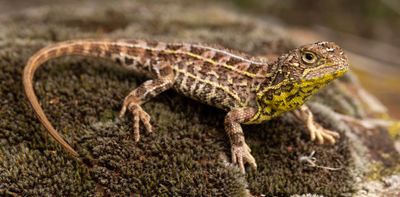
Victoria has rediscovered a dragon – how do we secure its future? The Victorian grassland earless dragon (Tympanocryptis pinguicolla), not seen since 1969, has been found in grasslands west of Melbourne. No need to fear this dragon, though; these lizards are just 15cm long fully grown. The Conversation · Jun 25, 2023
97% of Australians want more action to stop extinctions and 72% want extra spending on the environment Most Australians (97%) want more action to protect nature, even if they don’t know the full extent of the biodiversity crisis. That’s the startling finding emerging from our first national survey of 4,000 voters. The Conversation · Jun 19, 2023
If the budget ditched the Stage 3 tax cuts, Australia could save every threatened species – and lots more The Albanese government has made bold environmental promises over the last year. Given the parlous state of nature in Australia, these commitments are important. The Conversation · May 10, 2023







 The Conversation
 Newcastle Herald
