Get all your news in one place.
100's of premium titles.
One app.
Start reading
The Economic Times
The Economic Times
Trending Desk

Your railway station may soon be better prepared for festival crowds: RPF to track high-footfall events from 2022 & plan manpower before passenger surges

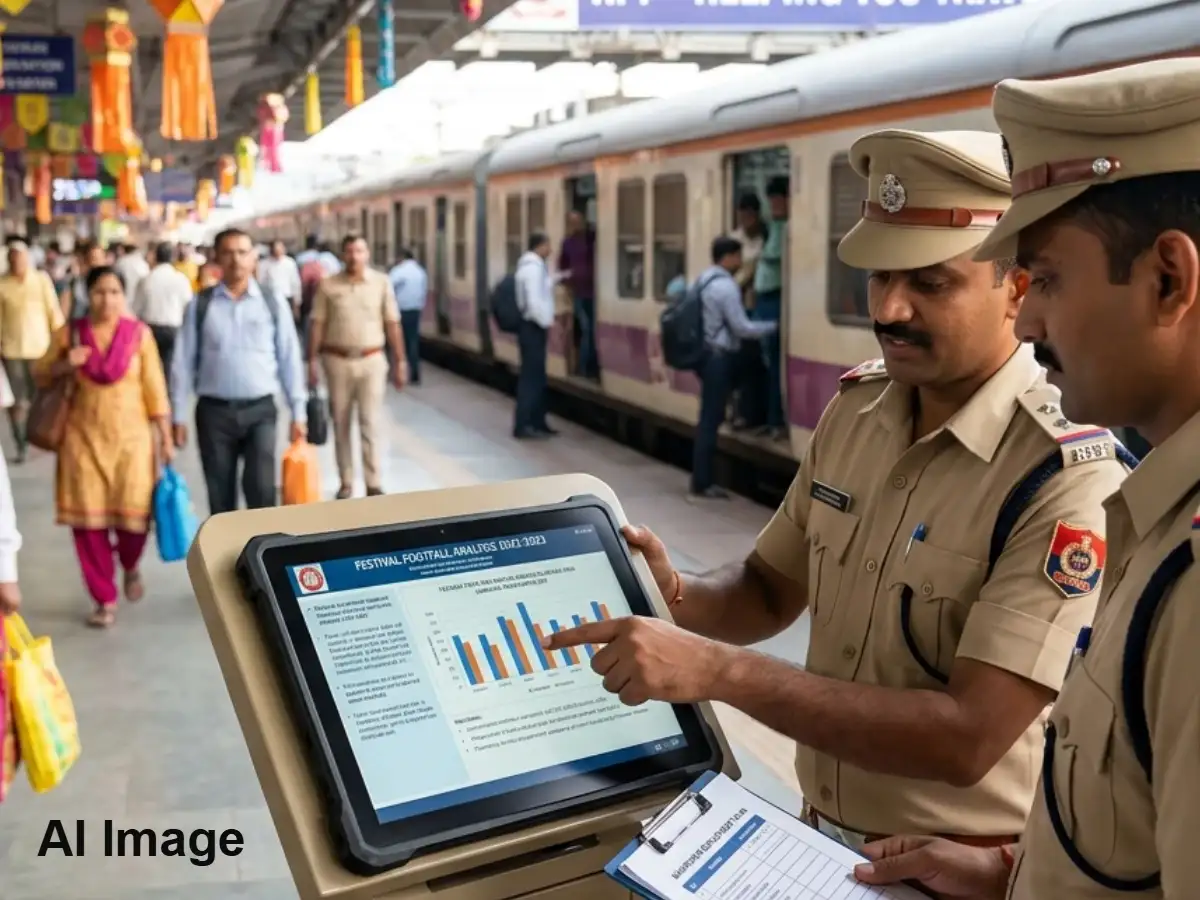
The Railway Protection Force (RPF) will create a digital repository of potentially crowded events at railway stations from 2022 onwards to help authorities forecast passenger surges, deploy manpower, regulate passenger movement and coordinate with state police to prevent untoward incidents.

The initiative, called the ‘DS-12 E-Forecasting Register of RPF for High-Footfall Events’ (EFRR), will serve as a single digital repository for advance forecasting, monitoring, action taken and post-event assessment of high-footfall events across Indian Railways.

Read more - Train passengers, take note: 100% electrified ER faces safety focus as Railway Board checks electrical failures and OHE wire snaps

RPF high-footfall event register: What will it track?

The digital register will cover a wide range of events that could lead to an unusual or substantial increase in passenger movement. These include festivals, religious gatherings, melas, examinations, recruitment drives, political programmes, sporting events, cultural and social events, fairs, major public functions and tourist seasons, among others.

Read more - LPG losses reach Rs 300/cylinder, OMCs’ petrol, diesel margins turn negative; daily hit at Rs 530 crore: ICRA

The RPF headquarters, in an order issued on September 17, 2026, directed senior zonal security officials to operationalise the EFRR with immediate effect and ensure timely entry of forthcoming high-footfall events.

The move follows a directive issued by the Director General of the RPF detailing the purpose, functioning and implementation process of the digital register.

Why RPF is introducing EFRR for crowd management

The directive stressed the need for an institutionalised advance forecasting mechanism, noting that a lack of timely information, inadequate assessment of passenger movement and fragmented dissemination of information could affect the preparedness of field formations.

“Experience has shown that the absence of timely information, inadequate assessment of likely passenger movement, fragmented dissemination of information and, in some cases, casual or inadequate appreciation of the seriousness of the situation at supervisory levels can adversely affect the preparedness of the field formations,” the directive said.

It added that recent crowd-related incidents had highlighted the need to move from a largely reactive approach towards a systematic, advanced, intelligence-led and data-driven mechanism for forecasting and managing passenger surges.

RPF SIB units to enter high-footfall events

The RPF Special Wing (SIB) personnel will be primarily responsible for making entries in the DS-12 Register.

The directive said the concerned SIB unit must ensure that every high-footfall event within its jurisdiction, which has the potential to cause a substantial or unusual passenger surge, is entered in the register as soon as sufficient and credible information becomes available.

Diwali, Holi, Chhath events to be forecast in advance

For fixed-calendar events such as Holi, Diwali, Chhath, Christmas and major religious festivals, the RPF has directed officials to make entries early to facilitate meaningful planning.

Such events may be entered into the system more than 60 days in advance, where their dates are known.

For events that are generally announced at shorter notice, including melas, sporting events, examinations, recruitment examinations, political rallies and meetings, local festivals, fairs and cultural programmes, the concerned SIB units have been asked to make efforts to obtain information at least three weeks in advance, wherever practicable.

If an event is announced or confirmed at shorter notice, the entry must be made immediately after credible information is received.

EFRR to strengthen RPF crowd management

Officials said the EFRR is envisaged as an important institutional mechanism to strengthen the RPF’s ability to anticipate and manage high-footfall situations across Indian Railways.

The digital system is expected to provide security formations with advance information about events that could trigger passenger surges, allowing them to plan manpower deployment, crowd regulation and coordination with state police in a more structured manner.

Inputs from PTI

Sign up to read this article
Read news from 100's of titles, curated specifically for you.
Already a member? Sign in here
Related Stories
Top stories on inkl right now
One subscription that gives you access to news from hundreds of sites
Already a member? Sign in here
Our Picks
Fourteen days free
Download the app
One app. One membership.
100+ trusted global sources.