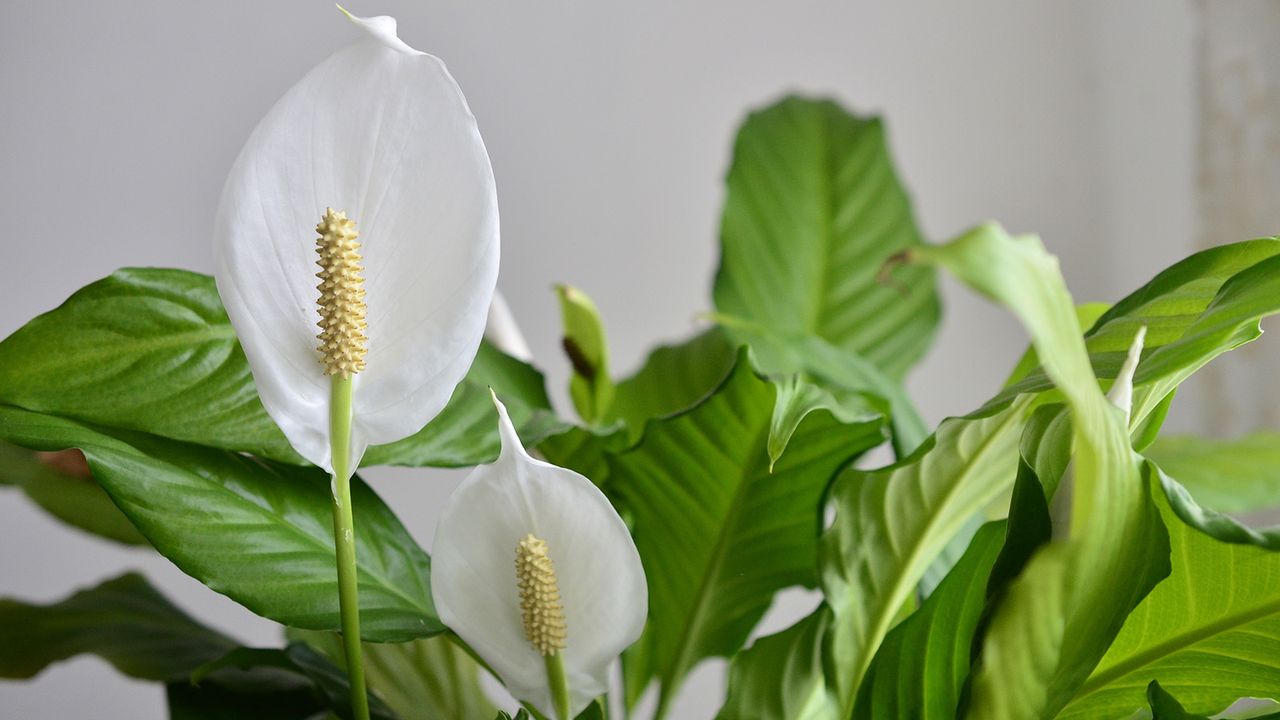
Winter is tough on peace lilies. These tropical plants don't adjust well to the dramatic environmental changes that happen indoors when cold weather arrives. Shorter days mean less light, heating systems dry out the air, and temperatures fluctuate near windows and radiators.
The care routine that kept your peace lily thriving in summer won't work in winter. Growth slows down, water needs decrease, and the plant essentially goes into a semi-dormant state. If you don't adjust how you care for it now, you'll see brown leaf tips, yellowing leaves, and zero flowers until spring.
1. Move it closer to a light source
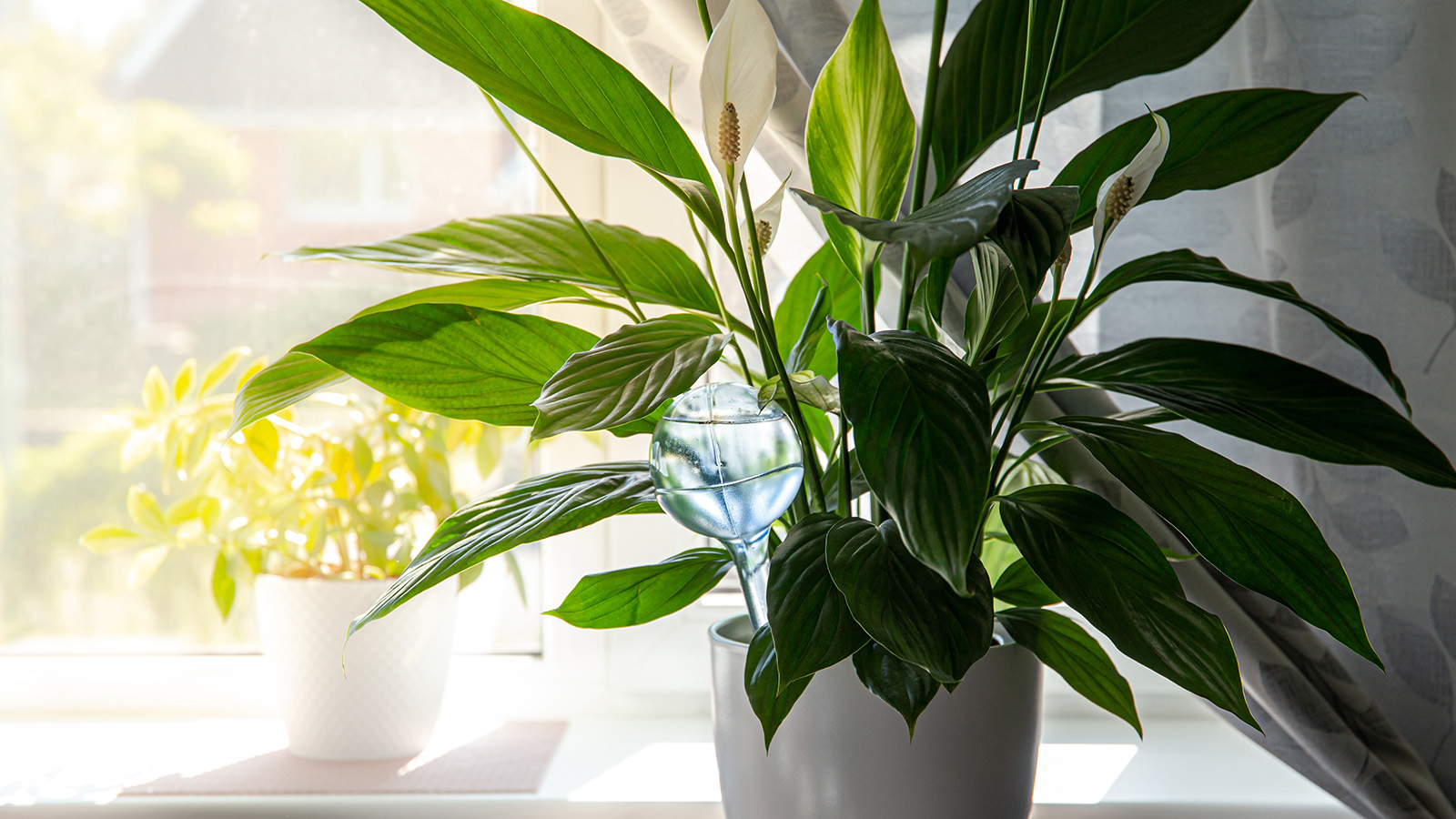
Peace lilies tolerate low light better than most houseplants, but winter sunlight is significantly weaker than summer sun. The same spot that provided adequate light in July might leave your plant struggling in January.
Move your peace lily closer to a window where it can receive more of the limited winter light available. An east or north-facing window works well, as does a spot a few feet back from a south or west window. Just make sure it's not touching cold glass or sitting in a drafty area.
If your peace lily was thriving in a darker corner during summer, it needs more light now to compensate for the shorter days and lower light intensity. You'll know it's getting enough light if the leaves stay a deep green color rather than turning pale.
2. Cut back on watering
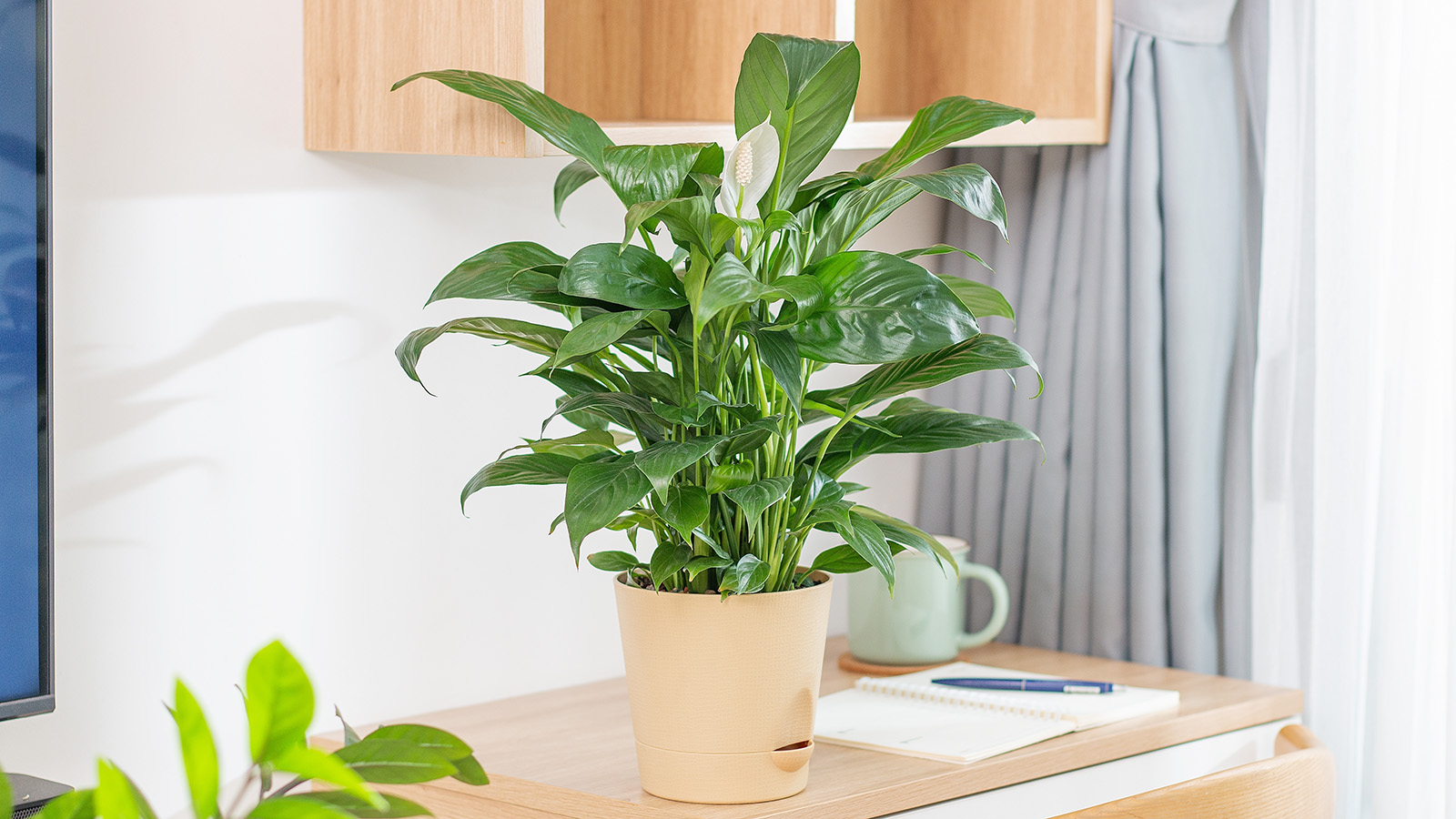
Peace lilies grow more slowly in winter, which means they use less water. The cooler temperatures and lower light levels also reduce evaporation from the soil. If you're watering on the same schedule you used in summer, you're probably overwatering.
Check the soil moisture before watering by sticking your finger about an inch into the soil. Only water when the top inch feels dry. In winter, this might mean watering every 10-14 days instead of weekly.
Yellow leaves that feel soft or mushy indicate overwatering, which becomes more common in winter when soil stays wet longer. Let the soil dry out more between waterings, but don't wait until the plant dramatically droops — repeated severe wilting stresses the plant even though it recovers quickly.
3. Boost humidity around the plant
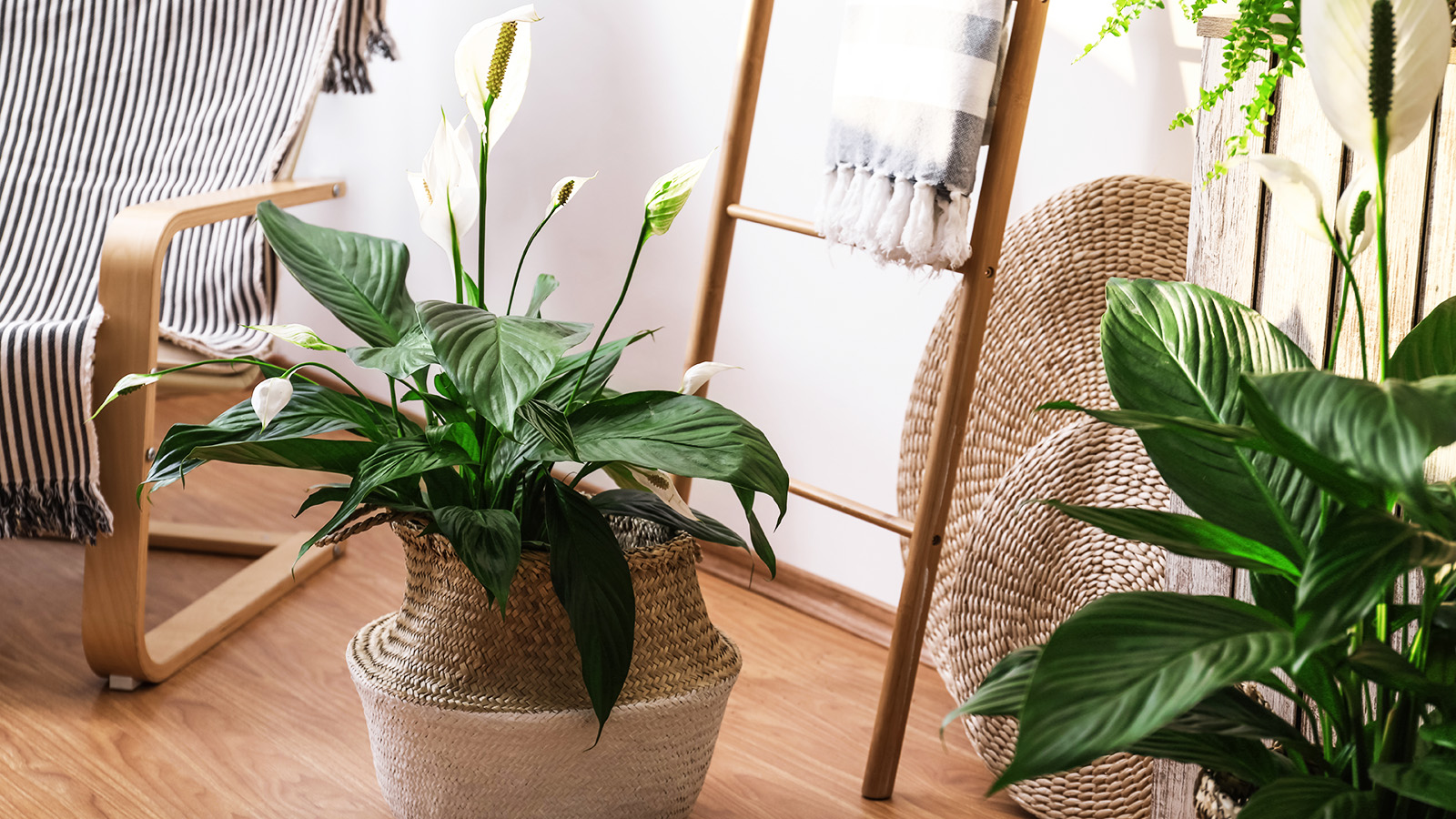
Heating systems drastically reduce indoor humidity during winter. Furnaces, radiators, and space heaters all dry out the air, and peace lilies respond by developing brown, crispy leaf tips and edges.
Create a humidity tray by placing your peace lily pot on a shallow tray filled with pebbles and water. The water level should sit below the bottom of the pot so roots don't sit in water. As the water evaporates, it increases humidity around the plant.
You can also group plants together to create a more humid microclimate, run a humidifier near your plants, or move the peace lily to a naturally humid room like a bathroom with a window. Misting provides only temporary relief and isn't as effective as these other methods.
4. Keep it away from temperature extremes
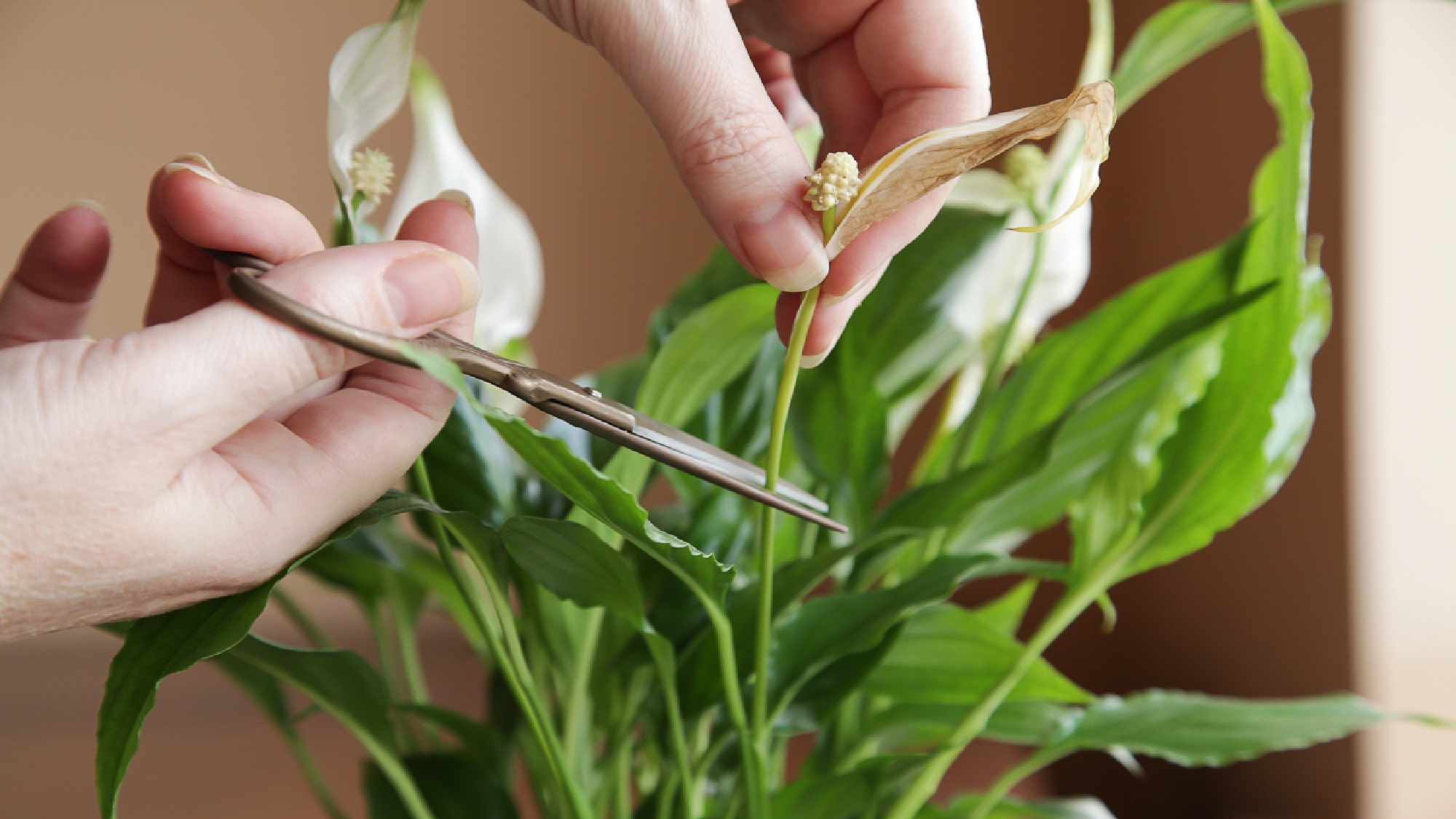
Peace lilies prefer consistent temperatures between 65-80°F. Winter makes this harder to maintain because of drafty windows, heating vents, and radiators that create hot and cold zones in your home.
Position your peace lily away from exterior doors that open frequently and windows that leak cold air. Also avoid placing it directly next to radiators, heating vents, or space heaters where hot, dry air blasts the leaves.
Cold drafts cause leaves to turn brown or black, while excessive heat from radiators dries out the plant faster and stresses it. Find a spot with stable temperatures away from these extremes. A location that feels comfortable to you will generally work well for your peace lily.
5. Stop fertilizing until spring
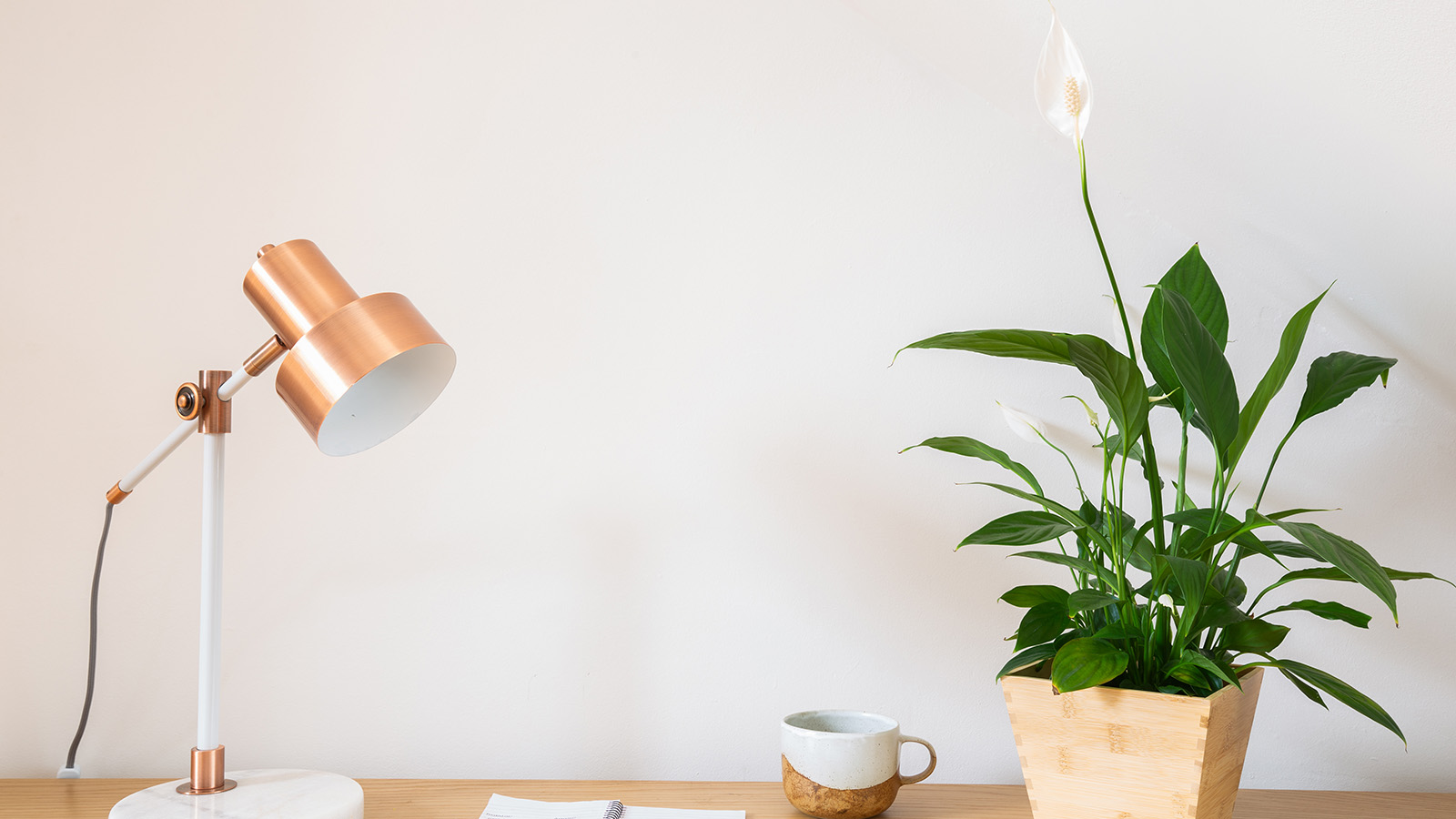
Peace lilies enter a semi-dormant period in winter when growth slows significantly. They're not actively producing new leaves or flowers, which means they don't need the nutrients that fertilizer provides.
Stop fertilizing completely from late fall through winter and resume feeding in early spring when you notice new growth starting and days getting longer. Over-fertilizing during winter can cause salt buildup in the soil and burn roots, leading to brown leaf tips that look similar to low humidity damage.
If you fertilized regularly during the growing season, your peace lily has stored enough nutrients to coast through winter without additional feeding. It will naturally slow down and may not bloom at all during the darkest months — this is completely normal and not a sign that something is wrong.

Follow Tom's Guide on Google News and add us as a preferred source to get our up-to-date news, analysis, and reviews in your feeds. Make sure to click the Follow button!