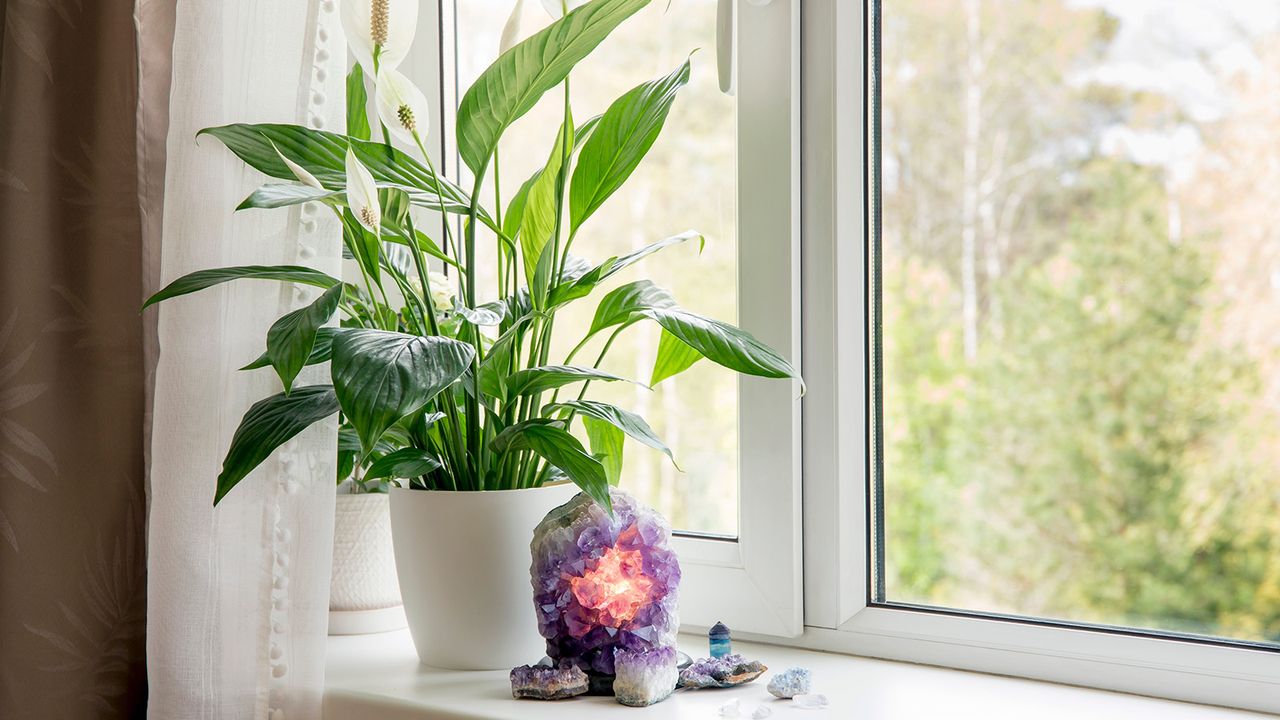
Peace lilies are popular indoor plants, but over time they can become rootbound and overcrowded in their pots. When this happens, the plant's health declines, growth slows, and flowering decreases. Dividing your peace lily solves these problems while also giving you new plants to keep or share.
Spring is the best time to divide since plants are entering their active growing season, though fall also works. Never divide while your peace lily is flowering, as this causes transplant shock.
The key is recognizing when your plant actually needs dividing rather than doing it on a schedule. Here's how to tell if your peace lily needs dividing and how to do it properly.
1. Signs your peace lily needs dividing
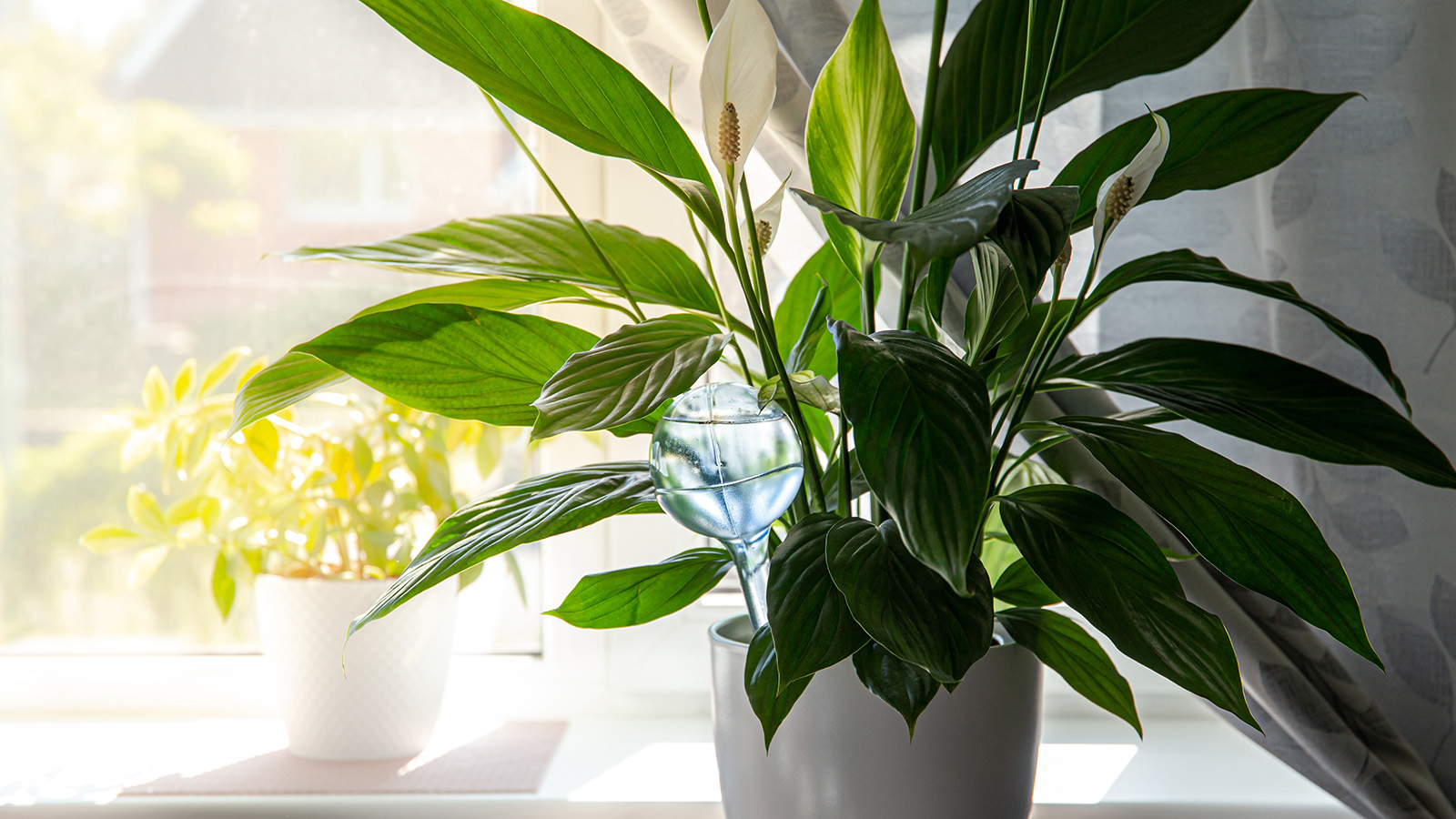
Your peace lily will show clear symptoms when it's become too crowded and needs dividing. Fewer flowers than usual is one of the first signs — peace lilies stop blooming well when rootbound. Yellowing leaves that aren't related to watering problems indicate the roots can't support all the foliage.
Stunted or thinning growth means the plant is competing with itself for space and nutrients. If the center or older parts of the plant start dying while outer sections stay healthy, the root system has become too congested.
Roots growing through drainage holes or circling visibly at the soil surface confirm the plant has outgrown its container. If your peace lily shows multiple warning signs, it's definitely time to divide.
However, if your plant looks healthy with good growth and regular flowering, it's best to leave it alone as dividing unnecessarily can stress the plant.
2. Prepare your tools and new pots
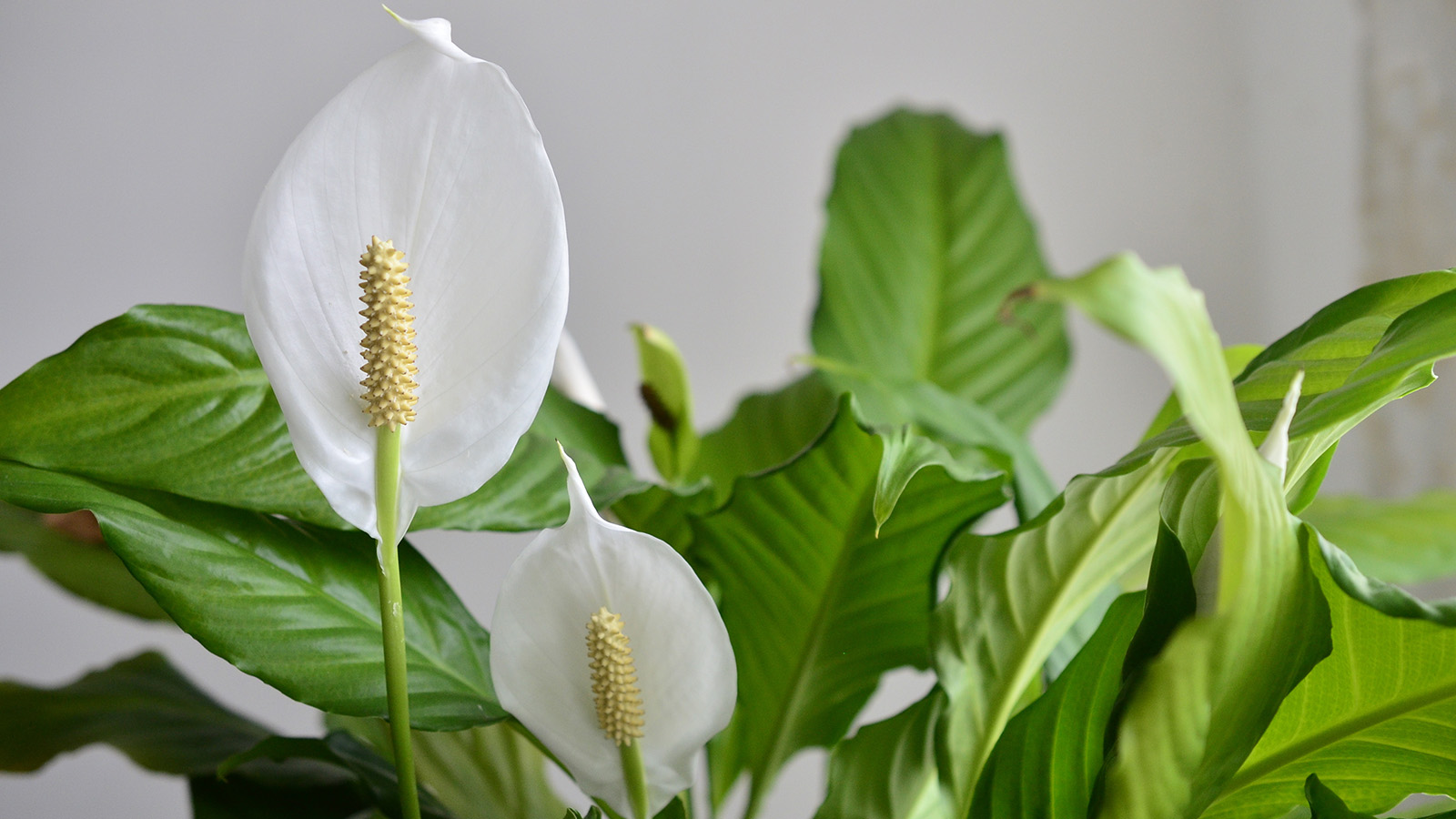
Gather everything you need before starting: sharp pruning shears, a sterilized knife, clean pots with drainage holes, and fresh well-draining potting soil. Fill the new pots with soil at least one day before dividing.
Water both the newly filled pots and the existing pot containing your peace lily thoroughly. Pre-moistening the soil helps keep the root ball intact during removal and provides a stable, moist environment for the divisions to establish new roots.
Having everything prepared in advance makes the actual division process faster and less stressful for the plant.
3. Divide and replant your peace lily
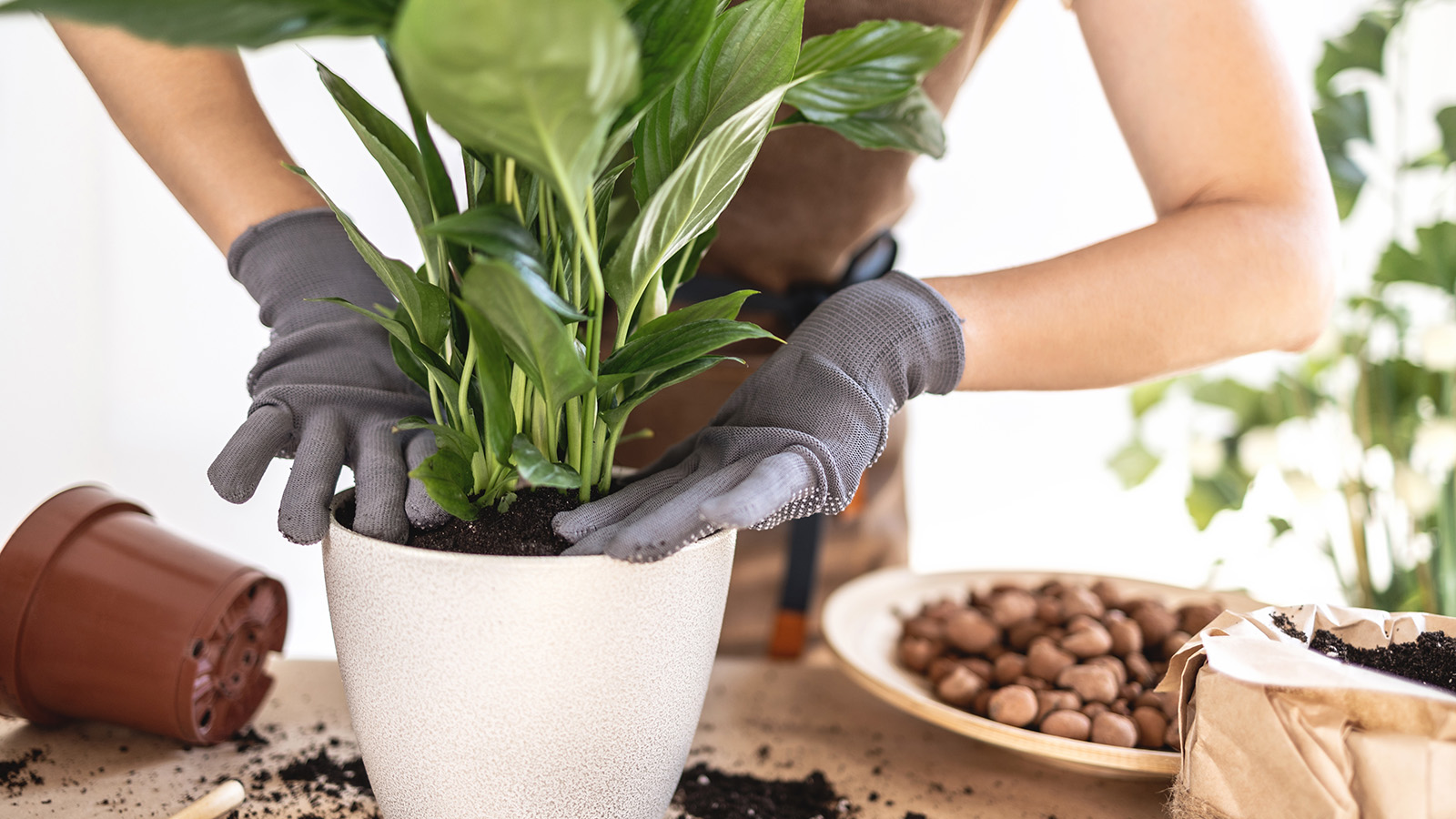
Start by cutting off any dead or yellowing leaves with clean pruners. Tip the pot on its side and gently slide the plant out, tapping the container if it sticks. Brush away excess soil to expose the root ball.
Next, look for natural offsets or sections where the plant has already separated into clumps. Use your sterilized knife to slice between these offsets, making sure each division has both roots and leaves. Cut away any roots that are brown, mushy, or smell foul.
Place each division in its prepared pot, positioning it about an inch below the rim. Fill in around the roots with soil and press gently. Water thoroughly after planting, but avoid heavily chlorinated tap water — let it sit overnight or use filtered water.
Place divisions in bright, indirect light and don't fertilize until you see new growth resuming, which typically takes 4-6 weeks.

Follow Tom's Guide on Google News and add us as a preferred source to get our up-to-date news, analysis, and reviews in your feeds. Make sure to click the Follow button!