
Get all your news in one place.
100's of premium titles.
One app.
Start reading
Frugal Gardening
Frugal Gardening
Brandon Marcus

Your Garden Hose Could Be Quietly Adding to Your Water Bill

Your Garden Hose Could Be Quietly Adding to Your Water Bill
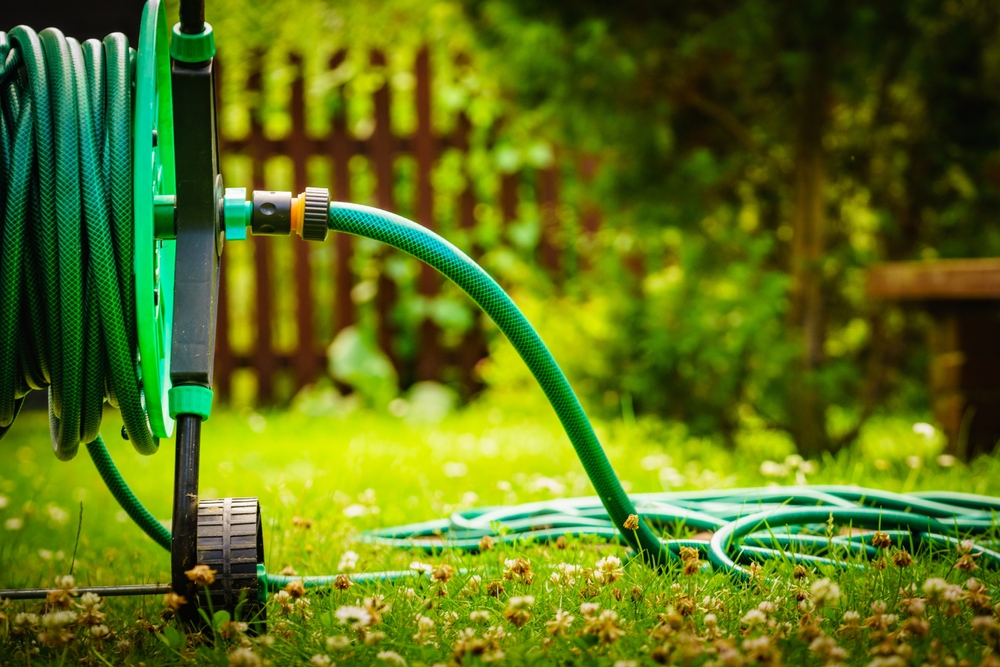
A close inspection of the garden hose connection can reveal worn washers, loose fittings, and other small leaks that waste water and increase utility costs. Checking the hose, spigot, and attachments regularly can catch problems before they become expensive – Shutterstock

A garden hose can look perfectly innocent while quietly sending money down the drain. A worn washer, loose connection, damaged fitting, or hose left running longer than necessary can turn an ordinary watering session into an easy-to-miss source of water waste.

The sneaky part comes from where many hose leaks happen: right at the spigot. Water may trickle behind a shrub, disappear into mulch, or spray only when the hose bends a certain way, making the problem easy to overlook until the water bill arrives looking suspiciously plump. The good news is that most hose-related waste does not require an expensive plumbing project, and a few minutes of inspection can reveal a problem before it becomes a bigger one.

The Leak May Be Hiding Where the Hose Meets the Spigot

The connection between a garden hose and its outdoor faucet deserves more attention than it usually gets. A small rubber or nylon washer sits inside the hose coupling and creates the seal that keeps water from escaping around the connection. Over time, that washer can deteriorate, flatten, crack, or simply stop sealing as well as it once did.

The first clue often appears when water starts bubbling or dripping around the connection while the hose runs. EPA WaterSense specifically recommends checking garden hoses at their connection points and replacing worn washers when leaks appear. A replacement washer costs very little compared with paying for water that never reaches the garden, and the repair usually takes only a few minutes.

A loose connection can create the same aggravation, although cranking the coupling down with superhero strength does not necessarily solve it. Start by turning off the water, checking the washer, and inspecting the threads for damage or debris. If the fitting still leaks after a new washer and a snug connection, the spigot or hose fitting itself may need attention.

A Hose Can Waste Water Even When Nothing Looks Dramatically Wrong

Garden hoses create another problem because people often judge water waste by what they can see. A hose that sprays normally from the nozzle can still lose water along a damaged section, particularly when the hose develops cracks, splits, or weak spots. Those leaks may become much more obvious when someone moves the hose around the yard or bends it sharply.

A quick inspection should include the entire length of the hose, not just the ends. Look for soft spots, bulges, cracks, punctures, and places where the outer material has become badly worn. When water sprays from a damaged section, replacing the hose usually makes more sense than repeatedly patching a problem that keeps returning.

The same inspection applies to connectors, spray nozzles, shutoff valves, and other attachments. Each additional connection creates another place where water can escape, particularly after years of outdoor use and repeated drops onto patios or driveways. A hose that has spent several seasons baking in the sun deserves a particularly close look before it goes back into regular service.

The Biggest Waste May Come From Leaving the Hose Running

A perfectly healthy hose can still become a water-bill troublemaker when nobody turns it off. Filling a watering can, rinsing a patio, washing garden tools, or soaking a newly planted bed can take longer than expected, and an unattended hose can keep sending water out the entire time. An unattended hose running at 10 gallons per minute as a potential source of 5,400 gallons of water loss in a single day.

That figure makes one simple habit especially valuable: shut the water off whenever the hose does not need to run. A shutoff valve at the hose end can make that easier because the faucet can remain open while someone moves between plants or adjusts a sprinkler attachment. Better yet, a timer can help prevent the classic “just a few more minutes” situation that somehow turns into a much longer watering session.

Gardeners also can make hose watering more precise by directing water toward the soil instead of spraying leaves, paths, and driveways. A wand with an adjustable flow can deliver water close to plant roots while reducing unnecessary runoff. For established plants, watering deeply and appropriately for the soil and weather generally makes more sense than repeatedly giving the surface a quick splash.

A Higher Water Bill Can Help Point You Toward a Hidden Leak

A sudden jump in water use deserves a little detective work, especially when outdoor watering has not changed much. EPA WaterSense recommends comparing current bills with the same month from the previous year because an unexplained increase can signal a leak. That does not automatically mean the garden hose caused the problem, but outdoor fixtures belong on the inspection list.

Start with the hose bib, then check the hose, connectors, sprinkler attachments, irrigation equipment, and nearby areas for damp soil or unexplained puddles. If everything outside looks dry, check indoor plumbing as well, because a rising bill can come from a toilet, faucet, pipe, or appliance instead. WaterSense also recommends checking the water meter during a period when nobody uses water, since a changing meter reading can point toward a leak somewhere in the home.

This approach can prevent a common mistake: replacing a hose when the actual culprit sits somewhere else. A little detective work beats guessing, especially when the bill keeps climbing. Once the source turns up, fixing it promptly can stop water waste before a small plumbing annoyance turns into an expensive recurring problem.

Give the Hose a Two-Minute Check Before It Becomes a Bigger Problem

Garden hoses rarely announce their problems with flashing lights and dramatic sound effects. Instead, they tend to leave small clues: a damp connection, a weak spray, a puddle that should not exist, or a water bill that suddenly makes no sense. Checking the hose and spigot regularly can catch those clues while the fix still involves a washer or a replacement connector instead of a larger repair.

Store the hose carefully, avoid dragging it across sharp edges, and keep unnecessary strain off the fittings. Before the next big watering session, turn the water on and walk the entire length of the hose while watching the connections closely. A few minutes spent looking for leaks can protect both the garden budget and a surprisingly valuable resource.

The best garden hose is not necessarily the fanciest one hanging on the rack. It is the one that delivers water where it belongs, shuts off when the job ends, and does not quietly turn the yard into a very slow swimming pool. A little maintenance keeps that humble coil of rubber from becoming an unexpected line item on the water bill.

You May Also Like…

8 Ways to Protect Your Garden From Heat Without Running Up the Water Bill

Your Watering Routine Could Be Costing More Than Your Plants Need

Why Your Garden Hose Could Be Leaching Chemicals Into Your Soil

Understanding Native Plants That May Lower Watering Needs Over Time

The Gardening Habit That Could Be Raising Your Water Bill by Hundreds

The post Your Garden Hose Could Be Quietly Adding to Your Water Bill appeared first on Frugal Gardening.

Sign up to read this article
Read news from 100's of titles, curated specifically for you.
Already a member? Sign in here
Related Stories
Top stories on inkl right now
One subscription that gives you access to news from hundreds of sites
Already a member? Sign in here
Our Picks
Fourteen days free
Download the app
One app. One membership.
100+ trusted global sources.