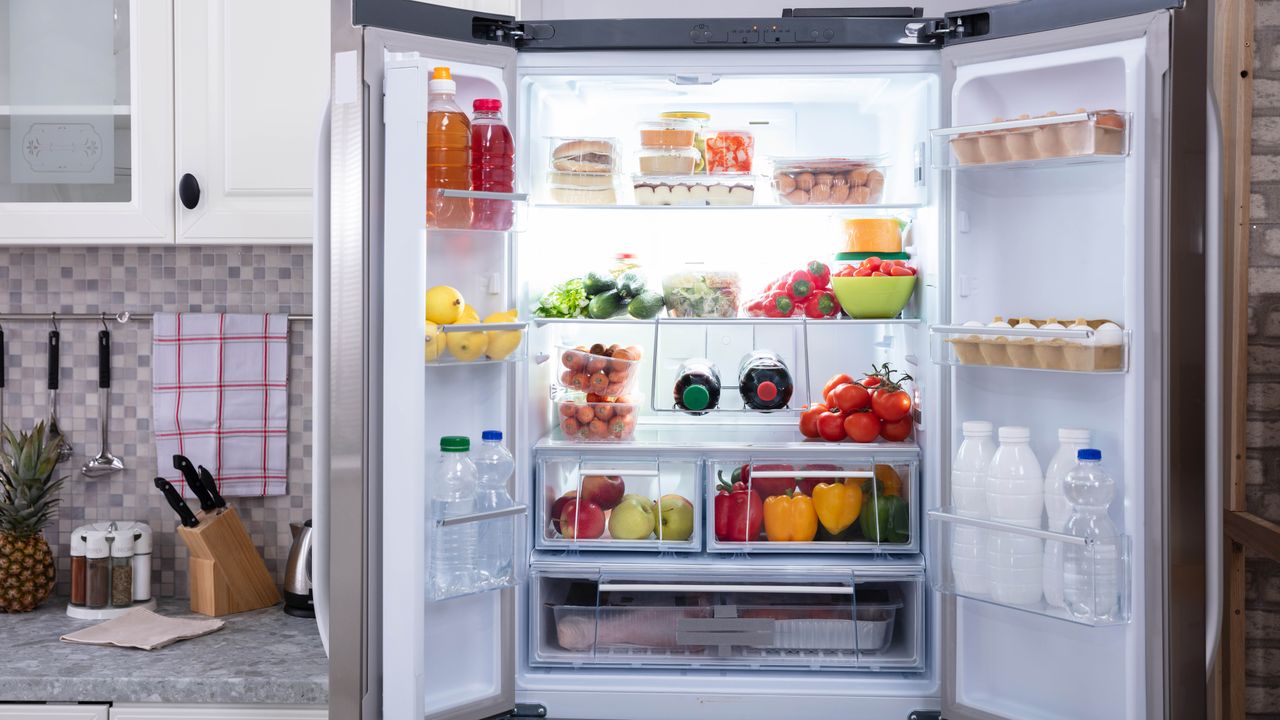
Next time you place an item into your crammed refrigerator, take a moment to think. According to the U.S. Environmental Protection Agency, a family of four could be wasting up to $3,000 a year on uneaten food that goes in the trash.
On a weekly basis, that’s $56 and represents 11% of a regular consumer’s food expenditure, both within and outside the home, according to the report.
It’s shocking to learn that over one-third of food in the U.S. is never eaten, and ends up in landfill. What’s more, the cost of the amount wasted is rising. In 2010, food waste cost a family of four $1,500, according to the U.S. Department of Agriculture price data.
Since this time, the report states that many food categories have increased more than 50%, meaning “when consumers waste food today, they are wasting more money on that uneaten food than they were in 2010.”
What's you've been doing wrong
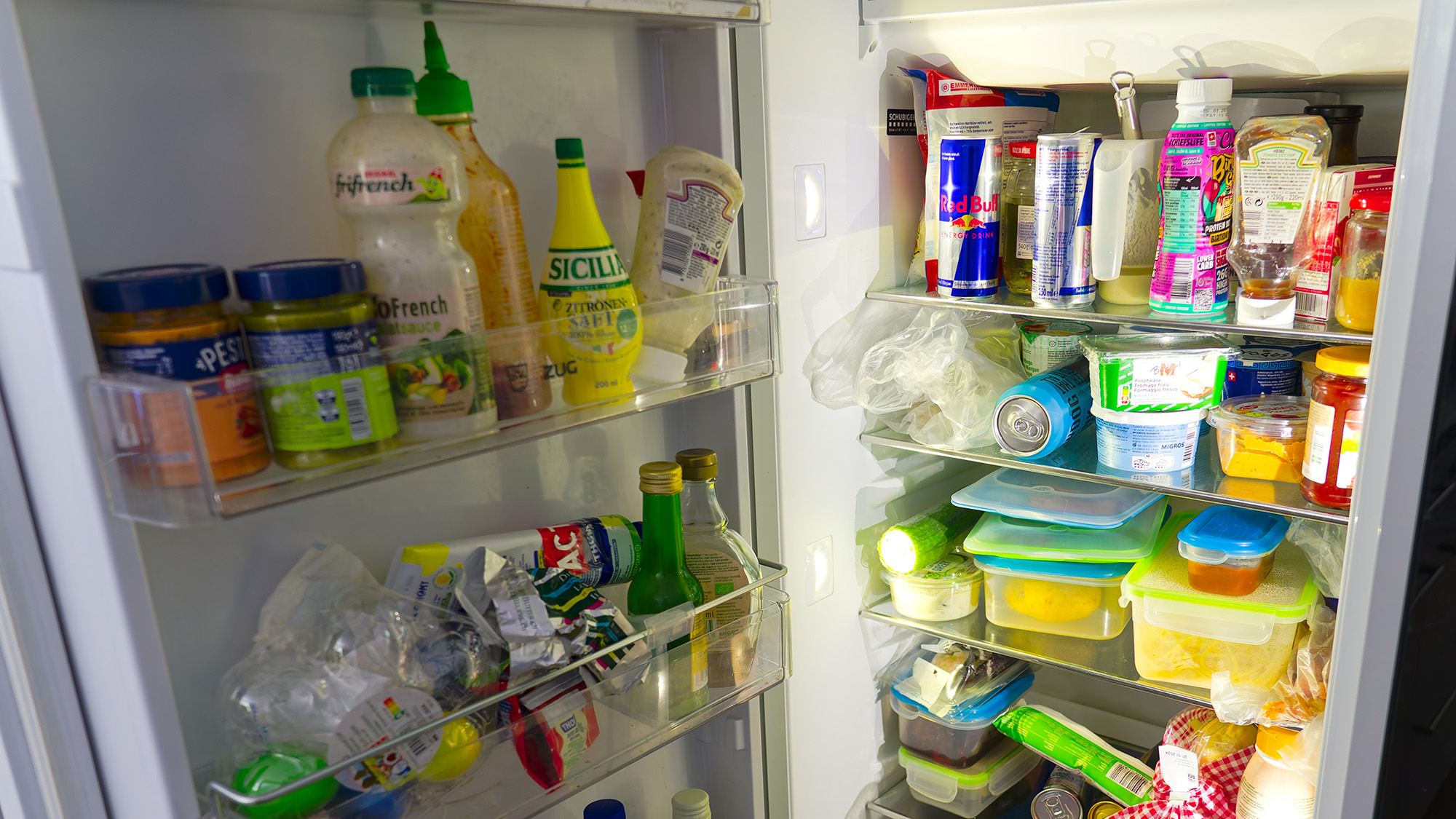
One of the biggest areas of food waste is storing your food incorrectly in your refrigerator. This is where you place your perishable food to keep it fresh. However, when the fridge is crammed to capacity and in a disorganized mess, it’s more likely that food goes to waste.
When the fridge is crammed to capacity and in a disorganized mess, it’s more likely that food goes to waste.
That tub of guacamole you put in the fridge on Monday got squashed at the back and forgotten. It’s now Saturday, and it’s started to grow mold, and the only safe destination for it is the trash.
When you run a busy life, organizing your fridge might be the last thing on your mind, but when you realize the environmental impact of food waste, and how much it's actually costing you, it’s time to make a change.
I was always taught by my mom to store certain foods in specific parts of my fridge, and I know from food safety guidelines this is the correct way to organize my refrigerator. It helps you remember where everything goes, so that when you want to grab some cheese for a quick sandwich, or a yogurt for a snack, you don’t have to rummage through the back of the fridge to then find something that’s been forgotten and is past its use-by date.
How to store food in your fridge
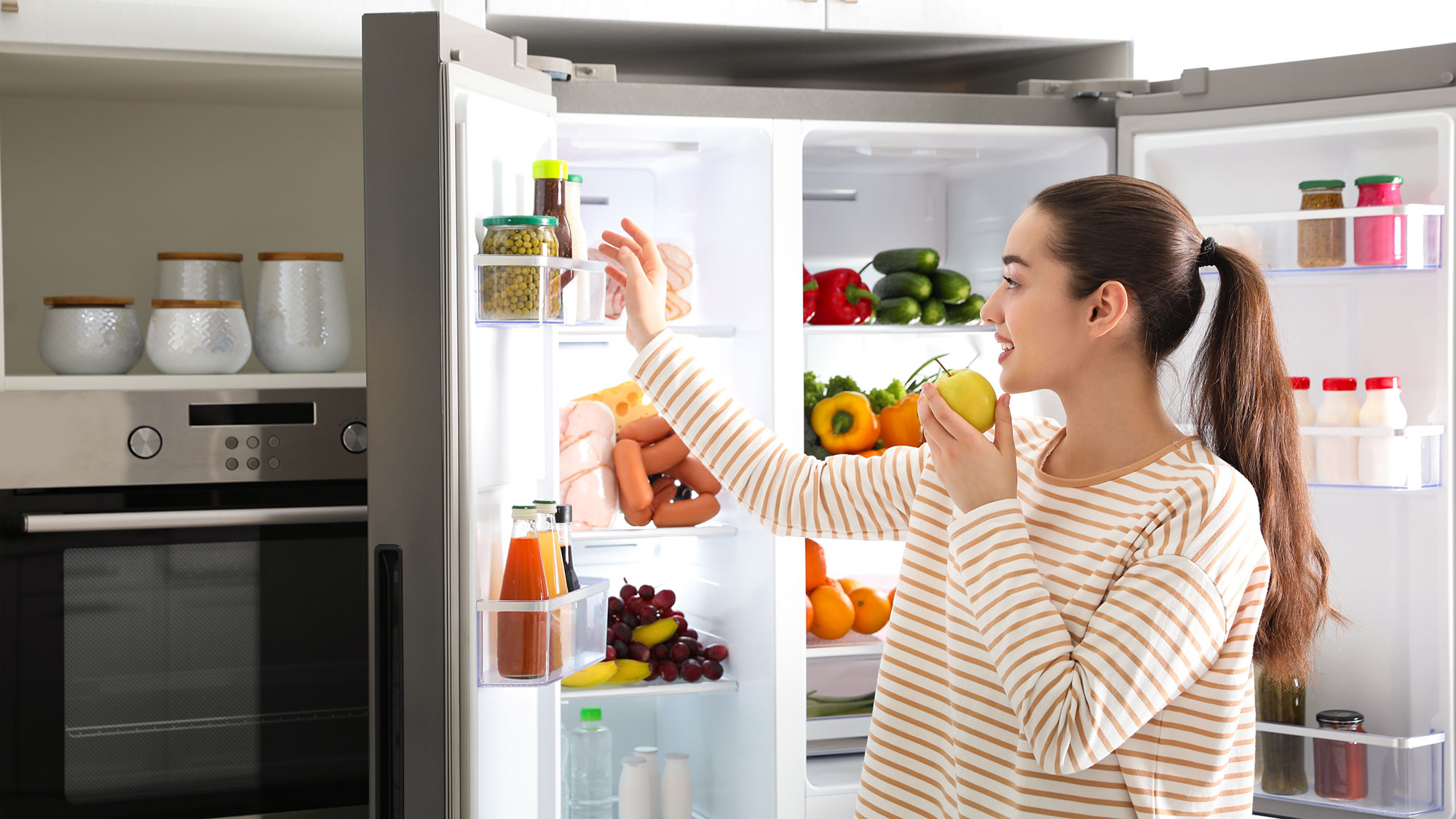
Meat, fish, vegetables, fruit, and dairy should all be stored differently. When you follow the basic rules, you’ll know where everything is and have a clearer idea of what you’ve got. It will also stop you from buying more than you need, and you'll consume items while they are still safe to eat.
When storing items in your fridge, it’s worth noting that the temperature varies. It will be colder at the bottom than at the top, which affects where certain items should be stored.
Upper shelf
This is where you should place ready meals, deli meats, and baked items.
Middle shelf
Dairy items, such as cheese, milk, yogurt and butter, should be placed on the middle shelf.
Lower shelf
The temperature is cooler here than at the top of your fridge, and is the best place to store raw meat and fish. However, make sure that everything is wrapped and sealed to protect against cross-contamination.
Crisper drawer
Here’s where you should place your vegetables, salad and fruit. It’s the coldest part of the fridge.
Fridge door
While I often store my milk within my fridge door, because it’s quick to grab, according to Bosch Home it’s not the best place, as it’s more susceptible to temperature fluctuations. Instead, it’s the place for condiments and drinks.
Don't forget about the temperature
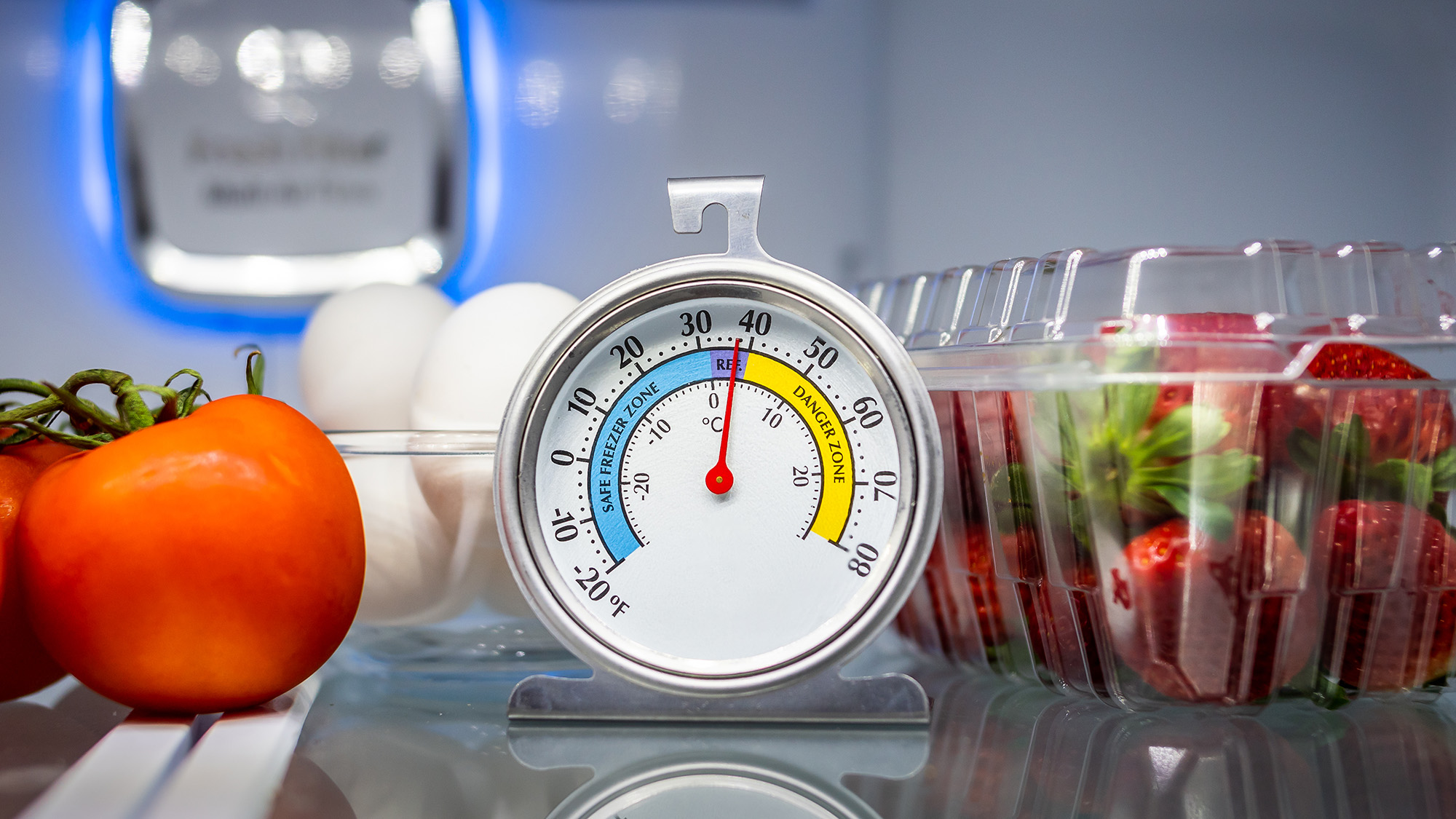
Above all else, it’s worth investing in a fridge thermometer to ensure your refrigerator is set to the correct temperature. It will keep your food fresh and it will last longer. The ideal temperature for a refrigerator is 37°F to 40°F (3°C to 5°C). Keeping your refrigerator below 40°F will prevent bacterial growth.
I’ve recently started using a digital thermometer rather than a dial, as it gives me a clear reading I can see instantly. The TemPro Refrigerator Thermometer comes as a 2-pack and is $13 at Amazon. Unless your refrigerator already gives you a temperature reading, I’d definitely recommend purchasing a thermometer.
Follow Tom's Guide on Google News and add us as a preferred source to get our up-to-date news, analysis, and reviews in your feeds.