
Last month I travelled to China as part of a small group of European journalists on an exclusive press trip hosted by Lexar – the storage brand behind some of the most widely used memory cards and SSDs in photography, now owned by Longsys and this year celebrating its 30th anniversary. Over the course of nearly a week, we were given extensive access to the company's operations: production facilities in Zhongshan and Suzhou, innovation and testing labs in Shenzhen. But the moment I keep coming back to didn't happen in a factory or a lab. It happened in a press conference room in Shenzhen, prompted by a question that had nothing to do with speeds, capacities or market share.
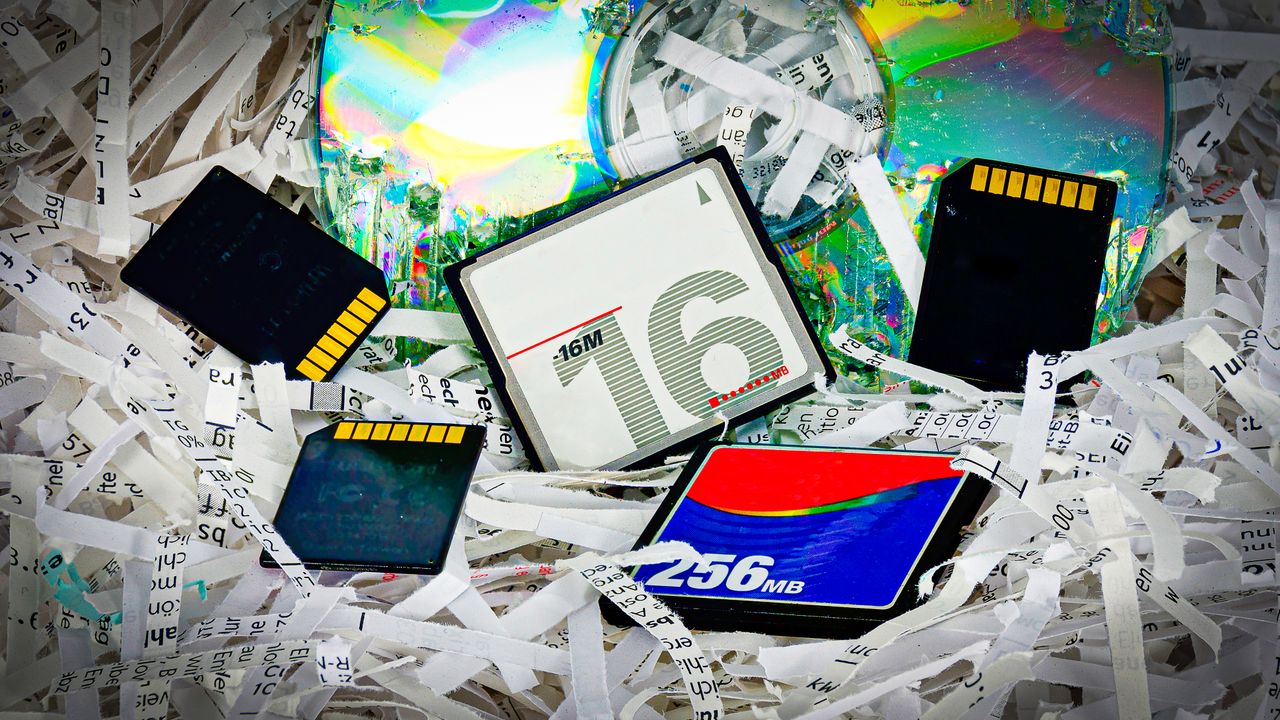
A fellow journalist was thinking about a physical photograph she owned: her great-grandparents' wedding, printed on paper, more than a century old and still entirely legible. She wanted to know whether her own photographs would be accessible to her great-grandchildren. Whether Lexar was thinking about storage technologies built for genuine longevity. The engineers in the room gave her an answer she probably wasn't expecting.