
AI has become part of everyday life whether we like it or not. There's really no stopping it — even if you aren't actively using chatbots like Claude or ChatGPT, if you Google or use the internet at all, chances are, you're using AI.
Unfortuntately, every response requires computing power from data centers packed with high-performance GPUs, which consumes electricity. While AI companies don’t publicly disclose the exact energy cost of every request, larger models and complex tasks generally require significantly more power than simpler ones.
The good news? A few small adjustments can help you get the same quality results while using AI far more efficiently. Here are seven habits worth adopting.
Use the smallest model that gets the job done
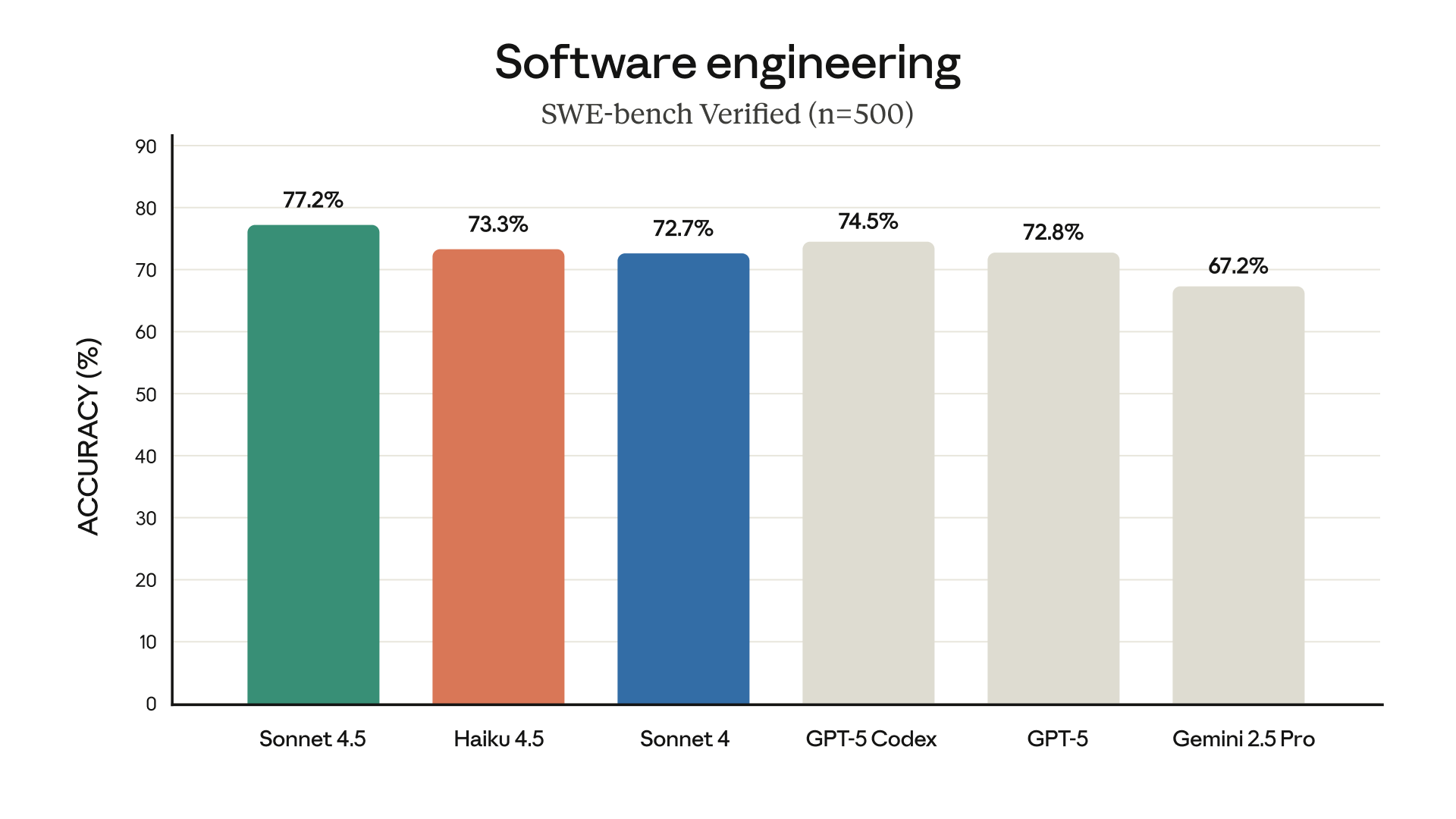
Not every task requires a flagship reasoning model. If you’re summarizing an email, brainstorming dinner ideas, or proofreading a paragraph, lightweight models with words like Flash, Mini, or Haiku in the name are variants that are fast, capable, and require far less compute. Reserve heavyweight models for complex coding, deep research, or multi-step logic.
Spend an extra 20 seconds writing a clear prompt
One detailed prompt is almost always more efficient than five vague ones. Instead of asking, "Write me an email," specify the recipient, key points and desired tone up front. Providing context immediately eliminates back-and-forth follow-ups. This not only helps the environment, but eliminates going over your token usage too quickly.
Keep related topics in the same chat
For multi-step projects, staying in one conversation keeps the AI focused on existing context so you don't have to re-explain details. However, once you switch topics or the chat grows very long, start a new thread because sending massive chat histories with every new prompt uses unnecessary compute.
Skip image/video generation unless you actually need a visual

AI images and AI video require substantially more computing power than generating text. If an outline, written description or table gets the point across, stick with text. I've noticed sometimes Gemini will generate images without me asking to help illustrate its point. To avoid this, tell the AI up front that you don't need it to generate images unless you ask it to.
Avoid endless 'just one more' rerolls
It is easy to fall into the trap of generating one more image, one more logo variation or one more slight rewrite. Experimentation is useful, but recognizing when a result is already "good enough" saves time and prevents unnecessary processing.
Use traditional search for simple lookups

We all know AI is powerful, but it isn't always the right tool for basic information retrieval. When a simple internet search will do, use Google it instead. Even better, try DuckDuckGo, which promises no AI. For example, checking tomorrow’s weather, finding store hours or looking up a phone number is usually faster and less resource-intensive through a standard search engine.
Save prompts that consistently work
If you’ve crafted a prompt that reliably produces great results, such as a specific resume reviewer or meal planner, save it in a notes app or standard template. Reusing effective prompts saves time and eliminates trial-and-error generation.
Bottom line
None of these habits will transform the environmental impact of technology overnight. However, together they promote a more intentional approach to AI. And, as AI becomes more integrated into our lives, knowing when to use it has become just as important as when.
Using the right tool for the job, writing clearer instructions and avoiding unnecessary generations ensures you get maximum value from AI while keeping your computational footprint lean.