
Get all your news in one place.
100’s of premium titles.
One app.
Start reading
Homes & Gardens
Homes & Gardens
Laura Honey

Yes, you can make juice with a blender – here's how

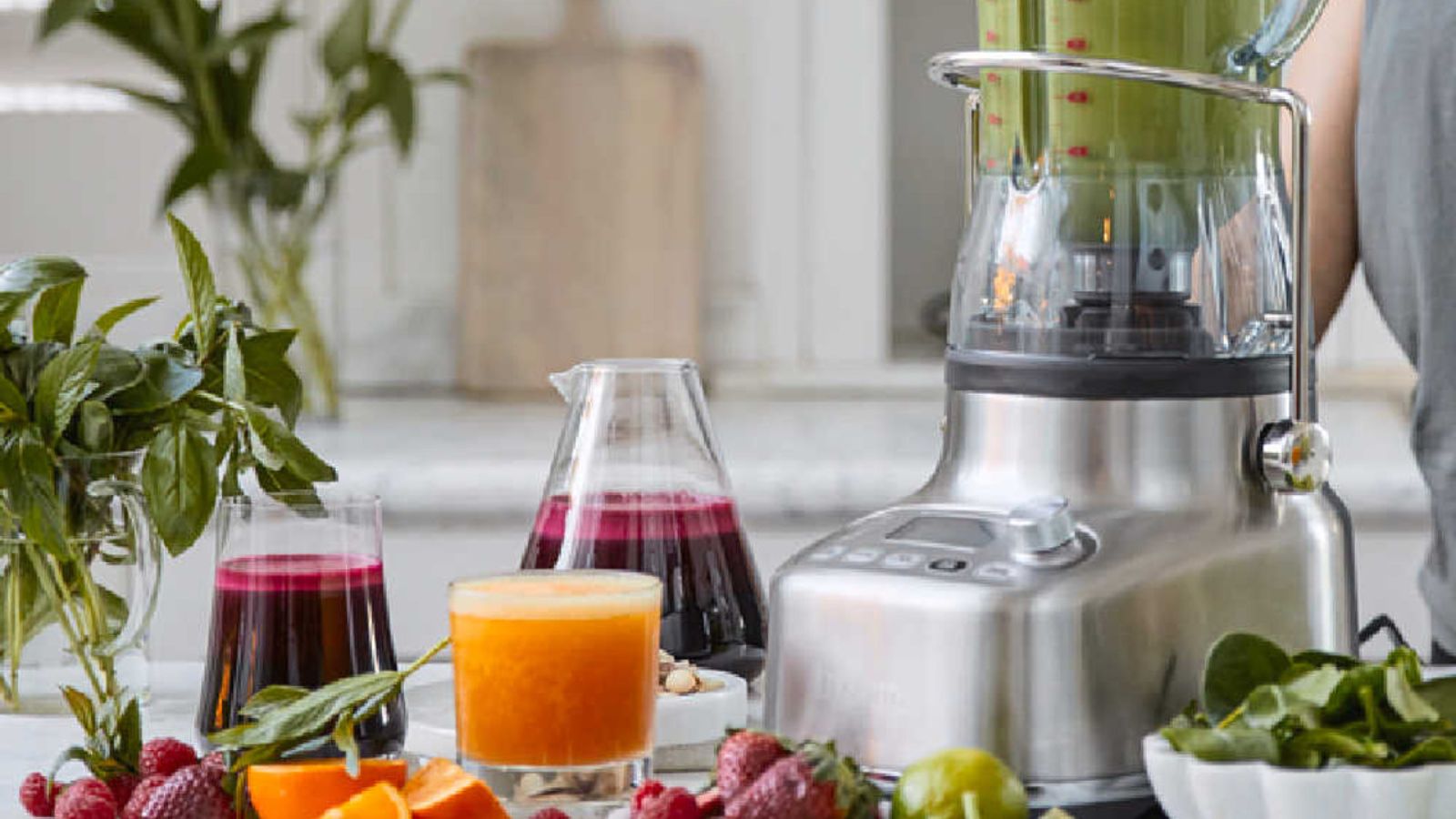
How to make juice in a blender: Breville The Bluicer on a countertop with juice and ingredients around it.

Can you make juice in a blender? Absolutely. How do you make juice in a blender? It's actually very simple.

In an ideal world, when you want juice, you walk to your countertop, where your exceptionally good juicer will be sitting. The best juicers on the market will undeniably make crisper, clearer juice than a blender can (we've covered the blender vs juicer debate in detail). However, if you're in a squeeze, a high-speed blender will do the job.

I've asked experts for their advice on how to make juice with a blender. They've got answers to all of your questions and some even say that juice made in a blender is better for you.

How to make juice in a blender

(Image credit: Angel)

Making juice in a blender starts off a lot like making a smoothie. You'll need to wash whichever fruits and vegetables you want to juice and then blend them with some water (or coconut water) until the mix is smooth. The sharper and more powerful blenders will do a better job of this. For example, the Braun Triforce and Vitamix A3500 both have more than enough capacity to make a smooth mix out of any fruits and vegetables. Portable blenders, on the other hand, might struggle more.

It should only take a few minutes to reach a smooth, frothy consistency. Once it looks like a smoothie, you can either drink it as it is, although this will be quite pulpy and thick. If you want a cleaner, crisper drink, you'll need to strain it through a nut milk bag or fine mesh sieve to take out the pulp. Juicers do this bit for you, often using high speeds and clever mechanisms, which is why a juicer's juice will taste smoother and less pulp-ey.

When I spoke with Dr Aaron Erez, a functional medicine specialist who specializes in diet, they said that 'if you cut your produce into smaller pieces, your blender will be able to whizz it up much more effectively. Start by blending softer fruits and then work up to harder, tougher ingredients.

Tips and tricks for making juice in a blender

(Image credit: Nama)

The more you make juice in a blender, the more you learn about different ways to improve both your recipe and texture. All of the experts that I spoke with said that a high-quality, durable blender makes all the difference to your drink. It'll take you from a grainy consistency to a smooth one. That's not where the tips and tricks end though.

Dr Aaron Erez, a functional medicine specialist who specializes in diet, recommends adding 'A touch of citrus, like lemon or lime, because this can enhance flavor and provide additional antioxidants to your juice.' Alternatively, Daniel Meursing, juicing expert, says, 'If you're looking to mask any bitterness from greens, such as kale or spinach, consider adding naturally sweet fruits like pineapple.'

You could also use frozen fruits in your juice, since this gives them an instant blast of coolness, making your juice taste more like a slushy. Daniel Meursing recommends adding in superfoods, such as chia seeds, flax seeds, and protein powder to 'give your juice a boost. It's also worth embracing the rainbow, by mixing and matching colorful fruit and veggies to create visually stunning, nutrient-diverse juices.'

Juice vs Smoothies

(Image credit: Ninja)

Blenders and juicers are fundamentally different appliances. We've done a deep dive into the differences between juicers and blenders, so you can work out which one is best suited for you. Some people swear by making their juices in a blender. Dr Aaron Erez, a functional medicine specialist who specializes in diet, says that 'Juices made in a blender will retain more fiber because they still include the blended produce, which is beneficial for gut health and maintaining steady blood sugar levels. Juicer juice, on the other hand, is fiber-free and might be easier to digest for some individuals but lacks the same amount of dietary fiber.'

Dr Erez also says that 'By blending, you also benefit from more robust phytonutrients and polyphenols due to less heat generation compared to juicers. For tailored nutritional upgrades, spices like ginger or turmeric can be great additions, providing anti-inflammatory benefits.' With that in mind, you might opt for the occasional blender-made juice over juicer juice anyway.

If you like the idea of switching between the two, there are blender-juicer combos out there. Here are two of my, tried and tested, favorites.

However, not everybody owns both a juicer and a blender. If that's for space reasons, you can get models that can do both (I've popped a couple of my favorites below).

FAQs

Can you juice without a juicer?

Obviously, the best way to juice is with a juicer, but if you don't have one to hand, you can juice with a blender or any other appliance in your home that can crush fruits. I've heard of people using food processors and even pestles and mortars, but you're making life very hard for yourself.

Can I use a blender to make juice?

You can use a blender to make juice, but you'll want to have a fine sieve or some cheesecloth to strain out the pulp. Some people leave the pulp in, but that makes your juice more like a smoothie.

Is juice made in a blender healthier?

If you take healthier to mean having a higher fiber content, then making juice in a blender is healthier. Both are great ways to enjoy antioxidants and vitamins from fruit and vegetables.

Sign up to read this article
Read news from 100’s of titles, curated specifically for you.
Already a member? Sign in here
Related Stories
Top stories on inkl right now
One subscription that gives you access to news from hundreds of sites
Already a member? Sign in here
Our Picks
Fourteen days free
Download the app
One app. One membership.
100+ trusted global sources.