
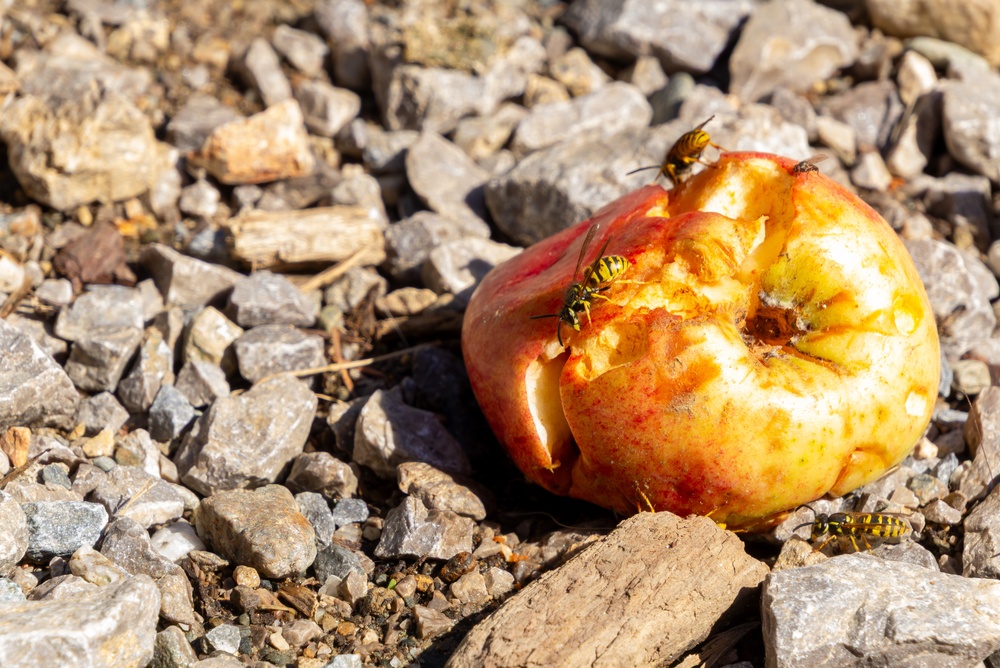
You’re harvesting the last tomatoes, picking up fallen apples, or taking a quick drink while cleaning up the garden when suddenly several yellow-and-black insects seem determined to join you. Yellowjackets can become particularly noticeable in late summer and fall, precisely when gardeners are spending hours harvesting produce and preparing beds for winter. The change isn’t your imagination: colonies are reaching their largest populations while workers increasingly forage around the sugary foods people—and gardens—provide. That combination can make yellowjackets in fall seem far more aggressive than the insects you barely noticed earlier in the growing season. Knowing what attracts them, where nests may be hiding, and what not to do around them can make fall garden cleanup considerably safer.