Get all your news in one place.
100's of premium titles.
One app.
Start reading
The Times of India
The Times of India
World
TOI World Desk

Yao Ming And Shark-Fin Decline: Celebrity and state curb soup; sharks remain at risk

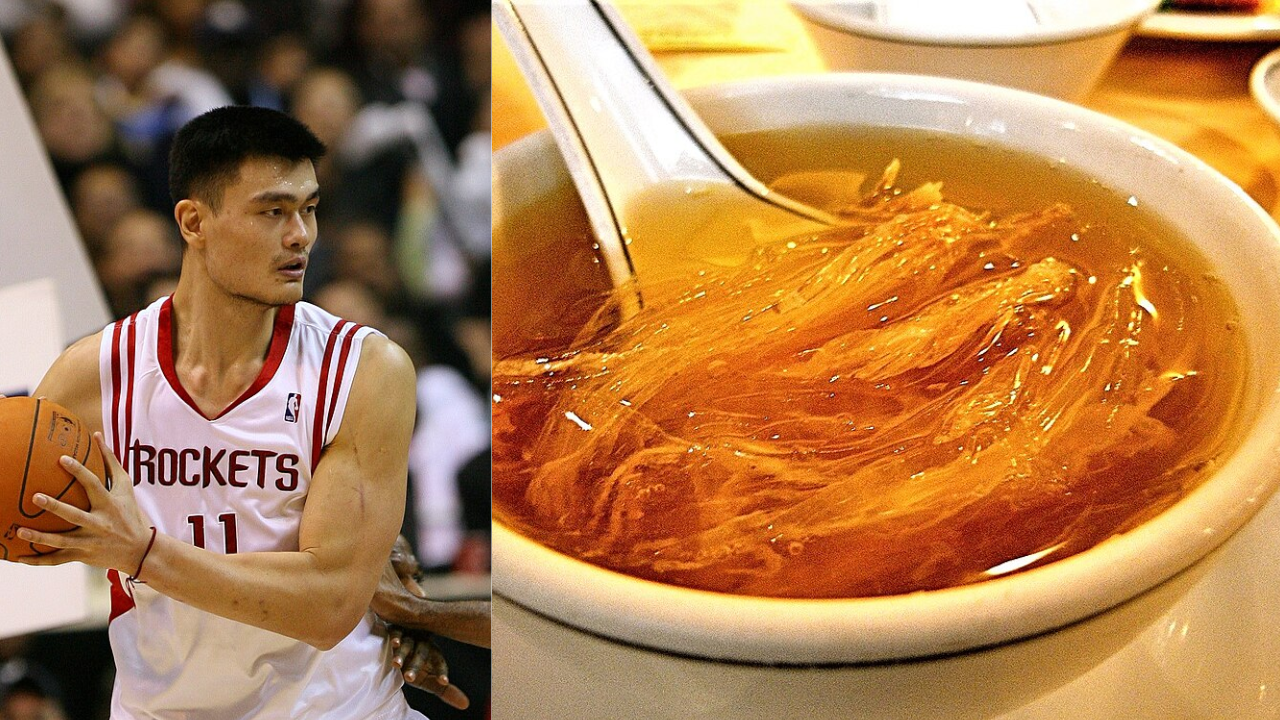
In 2006, one of China’s most recognisable sporting stars helped bring a conservation message to millions of people. Yao Ming, then an NBA star with the Houston Rockets, publicly pledged to stop eating shark-fin soup after learning about shark finning and the pressure demand for the dish placed on shark populations. His decision became part of a wider WildAid campaign that tried to change not just government policy, but the social appeal of a dish traditionally associated with wealth, weddings and formal banquets.

Get breaking news anytime, anywhere. Download the TOI app now!

At the time, the scale of the trade made the challenge enormous. Shark-fin soup had long been associated with wealth, prestige and formal banquets in China, while the country had become a major market for shark fins. According to WildAid's 2007 shark consumption survey , its study with the China Wildlife Conservation Association, conducted between October 2005 and January 2006 across 16 major Chinese cities, found that 80 per cent of interviewees did not know what shark fin was made from. The survey also found that 35 per cent of those interviewed had consumed shark fin, highlighting the gap between the popularity of the dish and public understanding of its connection to sharks.

When a celebrity changed the conversation

Yao’s significance came from more than celebrity alone. He was a sports celebrity in China and the United States because of his career. By associating his name with shark conservation, WildAid could bring an environmental message into mainstream advertising. The campaign's message was deliberately simple: consumers could influence what happened to sharks by refusing to buy the product. Yao appeared in public-service advertisements in which he rejected shark-fin soup and urged viewers to consider what happened to the animals behind the dish. Other celebrities, including Jackie Chan and later Sir Richard Branson, joined related WildAid campaigns.

Research published in Environmental Communication has examined Yao's role in these campaigns and cautioned against assuming that celebrity advertising alone caused the decline in consumption. The research points to other important factors, including Chinese government austerity measures and restrictions on shark fin at official banquets. That distinction matters because the decline was the result of several forces operating at the same time. Yet the campaigns clearly helped change awareness. WildAid reported that in 2008, 55 per cent of surveyed people in Beijing remembered its shark-fin campaign, while 82 per cent of those respondents said they would reduce or stop their consumption as a result. By 2009, the organisation reported that awareness of the problems associated with shark-fin consumption had risen substantially.

From luxury dish to declining demand

The next major shift came through government intervention. In 2012, shark-fin soup was banned by the Chinese government from being served at state banquets. This marked a clear sign that shark-fin soup had lost status, and another major market had closed off. The decline in demand became visible soon afterwards. WildAid conducted a survey online in 2013, which included 1,568 people from Beijing, Shanghai, Guangzhou and Chengdu. Some 85 per cent of respondents said they had stopped eating shark-fin soup in the previous three years. Of those who stopped eating it, about two-thirds cited awareness campaigns as one factor in their decision.

Research published in Marine Policy similarly noted that consumer-awareness campaigns featuring celebrities such as Yao Ming and Jackie Chan had helped raise awareness, although it stressed that it was difficult to separate their effect from other factors behind the decline in consumption. More than 80 per cent of respondents in Beijing and Shanghai had seen Yao’s advertisements, showing the campaign’s reach.

What happened to sharks?

This change in consumption in China was a major development, but it did not address the global issue of sharks. Sharks are still at risk of overfishing, bycatch, and the international trade of their fins and meat. According to WildAid, fins from millions of sharks continue to appear on the global market each year, while more than a third of shark species are endangered. However, the example of China offers a more complex lesson.

Nevertheless, Yao Ming provided something hard to engineer: a familiar face that challenged the social status of shark-fin soup. Starting in 2006, when Yao Ming publicly rejected the dish, the campaign became part of a broader shift in how shark-fin soup was perceived.

Sign up to read this article
Read news from 100's of titles, curated specifically for you.
Already a member? Sign in here
Related Stories
Top stories on inkl right now
One subscription that gives you access to news from hundreds of sites
Already a member? Sign in here
Our Picks
Fourteen days free
Download the app
One app. One membership.
100+ trusted global sources.